Vusumuzi Dube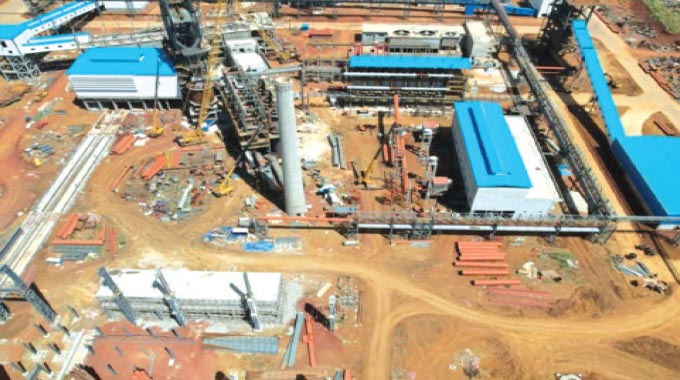
Gibson Mhaka, [email protected]
AS Zimbabwe prepares to commemorate its 46th Independence Day anniversary, the Government has unveiled a theme that serves both as a reflection of the nation’s historical journey and as a compass guiding its economic aspirations.
The theme, “Zim@46 — Unity and Development Towards Vision 2030,” is more than a slogan; it is a strategic declaration underscoring the interdependence between social cohesion and Zimbabwe’s ambition to become a prosperous, upper-middle-income society within the next four years.
Scheduled to be hosted at Maphisa Growth Point in Matobo District, Matabeleland South, this year’s celebrations mark a significant moment in the Second Republic’s commitment to decentralisation and its principle of leaving no one and no place behind.
Announcing the theme during a post-Cabinet briefing in Harare last week, Dr Jenfan Muswere — who held the portfolio of Information, Publicity and Broadcasting Services Minister at the time — emphasised that selecting Matobo District as the venue was a deliberate gesture recognising the district’s profound liberation history.
“Cabinet received and noted a progress update on preparations for the 46th Independence Day Anniversary Celebrations and the 2026 Children’s Party. Cabinet advises that the 46th Independence Celebrations and the 2026 Children’s Party will be held at Maphisa Growth Point in Matobo District of Matabeleland South Province under the theme ‘Zim@46 Unity and Development Towards Vision 2030,’” said Dr Muswere.
The choice of Maphisa aligns with the Second Republic’s rotational principle, which seeks to move national flagship events away from the capital to promote inclusivity and strengthen local development.
“The decision to hold the 2026 Independence Day Anniversary Celebrations at Maphisa Growth Point resonates with the rotational principle of leaving no one and no place behind,” he said.
This decentralisation is more than a logistical shift; it signifies a Government that recognises every district as a vital contributor to the national development agenda.
Forty-six years of sovereign rule is a milestone that reflects the resilience of a people who have endured sanctions and global shocks while safeguarding their national identity. The path from 1980 to the present has tested Zimbabwe’s character, and as the nation matures, unity becomes even more essential.
Under the leadership of President Mnangagwa, the Second Republic has demonstrated that national cohesion is the foundation upon which ambitious developmental targets can be achieved. The marking of 46 years of independence reinforces the role of sovereignty as the anchor of Vision 2030, creating the political stability needed for long term investment and structural transformation.
Since the advent of the Second Republic, Zimbabwe has undergone notable industrial and infrastructural transformation. Guided by the National Development Strategy 1 (NDS1) and its successor, NDS2, the focus has shifted from rhetoric to tangible progress.
The list of achievements is extensive. From the Manhize Iron and Steel Plant and the modernisation of Robert Gabriel Mugabe International Airport to the commissioning of Hwange Units 7 and 8, the Government has invested in key infrastructure that drives economic growth. These projects are interconnected pillars designed to create jobs, reduce import dependency and position Zimbabwe as a regional industrial hub.
Unity and development remain the dual forces required to attain an upper-middle-income economy. Without unity, development becomes fragmented; without development, unity loses its practical meaning.
The ongoing Gukurahundi community outreach programme in the Matabeleland region is a testament to the nation’s commitment to healing and inclusion. Through a victim-centred and community-led approach, the Second Republic is working to restore social cohesion, creating an environment in which communities such as those in Matabeleland South can focus on development without the weight of unresolved historical trauma.
The 46th anniversary also pays tribute to the legacy of the late Vice-President Dr Joshua Mqabuko Nyongolo Nkomo. Widely revered as Father Zimbabwe, Dr Nkomo’s life embodied the ideals of unity and peace. As a son of Matobo District, the decision to host the celebrations in his home area is a symbolic gesture honouring his role in the liberation struggle. His advocacy for shared national resources aligns with ongoing efforts to empower rural communities through agriculture and infrastructure.
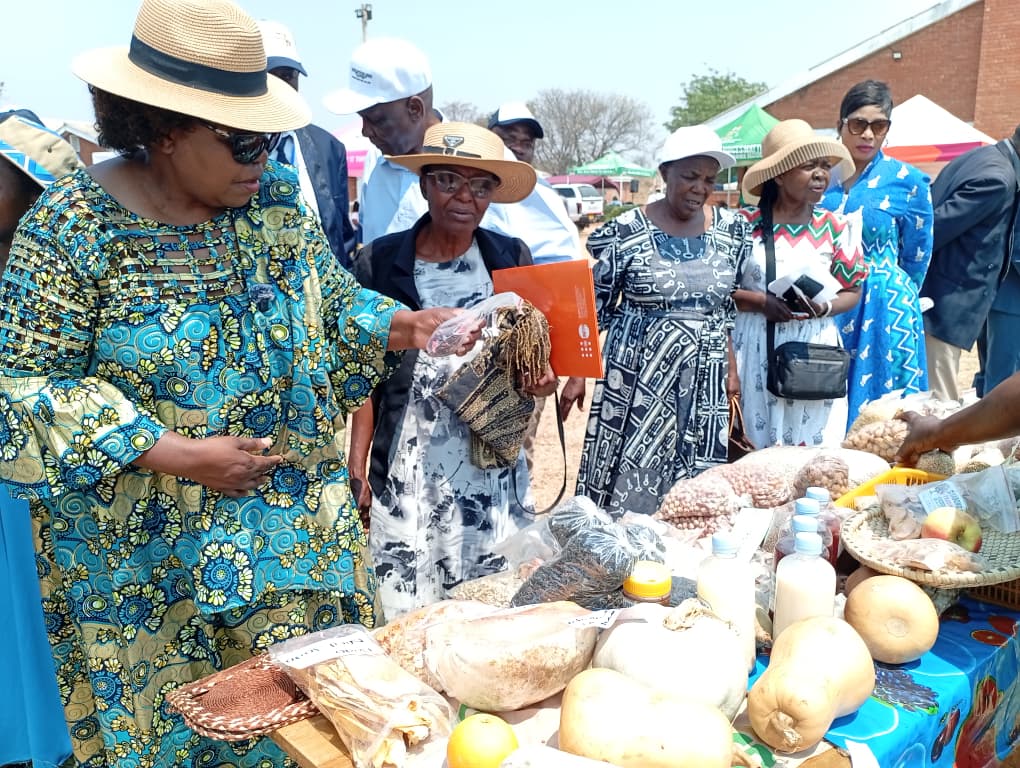
In Matobo, preparations for the celebrations have already catalysed long term developmental projects vital to Vision 2030. The rehabilitation and surfacing of major access roads to Maphisa Growth Point — including the Bulawayo-Maphisa and Gwanda-Maphisa routes — are expected to significantly boost local trade and connectivity. Additional works such as the gravelling of the Maphisa Mphoengs and Sun Yet Sen Manama roads will ensure that rural farmers have improved access to markets.
Such infrastructure forms the backbone of an upper-middle-income economy, enabling smoother movement of goods, services and people.
Beyond roads, the Government is also investing in digital and social infrastructure. The installation of Information and Communication Technology equipment at Mahetshe Secondary School and 50 other schools in the district aims to bridge the digital divide, equipping young people with the skills necessary for a knowledge driven economy.
The construction of a drug and substance abuse rehabilitation facility and the establishment of a cultural centre in Maphisa further demonstrate a holistic approach to development — one that strengthens both social well being and cultural identity.
As Zimbabwe advances towards 2030, themes like “Zim@46 – Unity and Development Towards Vision 2030” serve as a rallying call for national effort. These themes align with the NDS1 and NDS2 frameworks, ensuring that every citizen understands their role in the nation’s development.
The decentralisation of Independence Day celebrations to Matabeleland South is a reaffirmation that the benefits of independence are meant for every community. It reinforces the belief that national unity remains Zimbabwe’s strongest asset — and with it, the vision of a prosperous future is not just possible, but already unfolding.


 Online Reporter