Online Reporter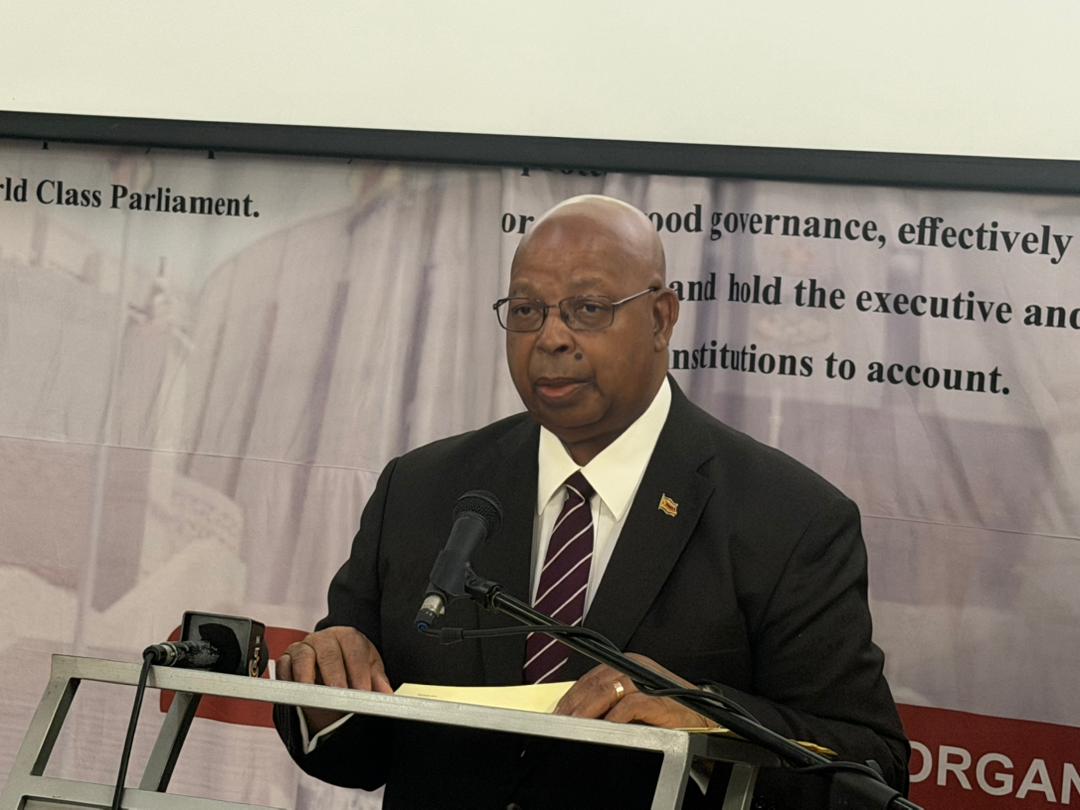
Eliah Saushoma
Zimbabwe has been ranked among the world’s 50 most climate-vulnerable nations, despite contributing only 0,07 percent to global greenhouse gas emissions, a stark imbalance that continues to expose the country to the harsh realities of climate change.
With nearly 70 percent of the population dependent on rain-fed agriculture for food security and livelihoods, erratic rainfall patterns, prolonged droughts and extreme weather events are increasingly threatening national stability and rural incomes.
Officially opening a capacity-building workshop on carbon trading, Speaker of Parliament Jacob Mudenda urged legislators to treat climate change as an existential threat requiring urgent, coordinated and informed action.

Advocate Mudenda said climate change is no longer a distant environmental concern but a structural crisis reshaping economies, displacing communities and undermining the foundations of sustainable development across Africa and beyond.
He stressed that for Zimbabwe, whose economy is closely tied to agriculture, mining and natural resources, climate volatility has direct implications on food security, industrial productivity and macro-economic stability.
The Speaker said Parliament has a critical oversight and legislative role in ensuring that Zimbabwe not only mitigates climate risks but also positions itself to benefit from emerging global mechanisms such as carbon trading.
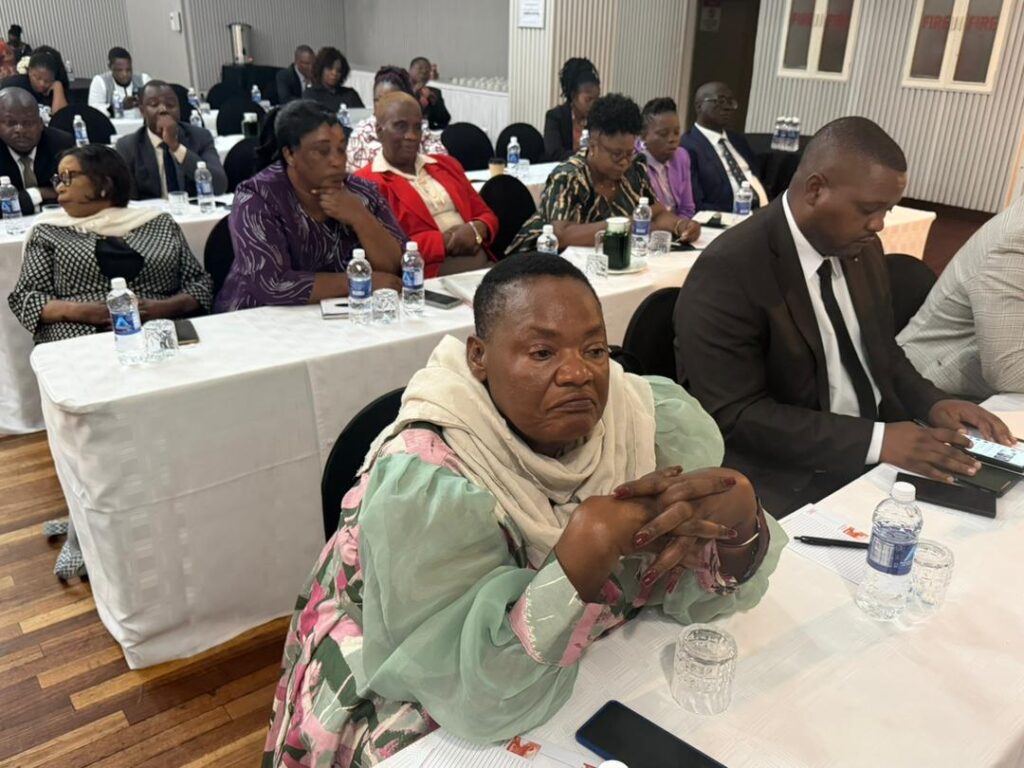
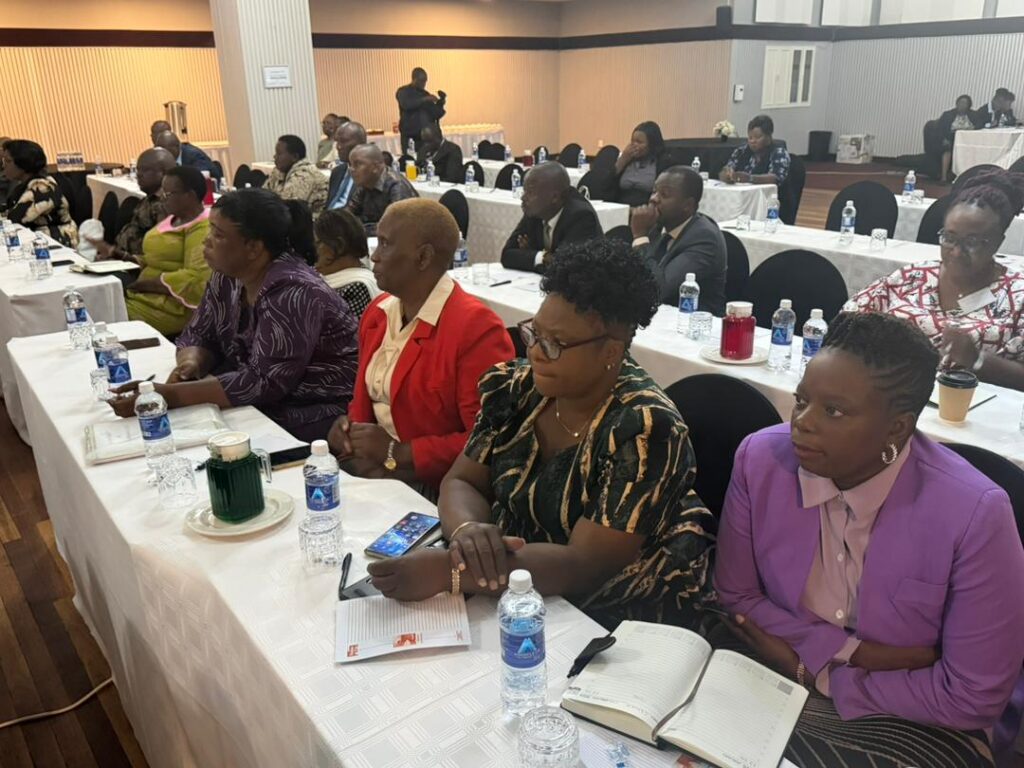
The capacity-building workshop aims to equip Members of Parliament with a deeper understanding of carbon markets, climate finance and regulatory frameworks necessary to maximise opportunities under international climate agreements.
Carbon trading, which allows countries and companies to buy and sell carbon credits linked to emission reductions, is increasingly being viewed as a potential avenue for Zimbabwe to unlock climate finance while promoting sustainable land use, forestry conservation and renewable energy investments.