Online Reporter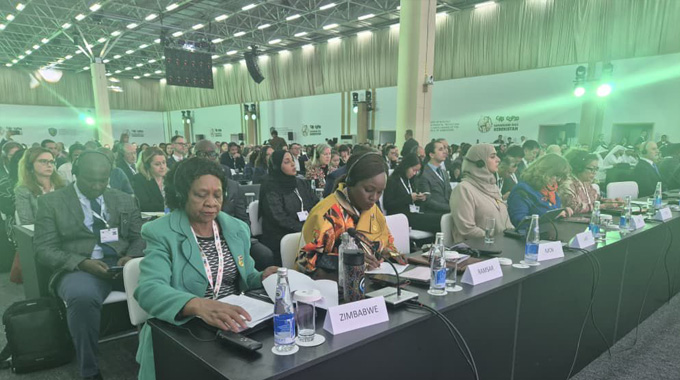
Mthabisi Tshuma, Zimpapers Writer
ZIMBABWE has called for the removal of restrictions on leather exports, the downlisting of Southern African Giraffes and for the domestic ivory market to remain open for the country to effectively implement its Biodiversity economy anchored on wildlife, a Cabinet Minister has said.
Minister of Environment, Climate and Wildlife Dr Evelyn Ndlovu said this will ensure they use wildlife as a sustainable way to reduce poverty in our rural communities.
She made the remarks at the 20th Regular Meeting of the Conference of Parties to the Convention on Endangered Species in Wild Fauna and Flora (Cites Cop 20) High Level Dialogue recently held in the Republic of Uzbekistan.
The event was held under the theme, “Elevating the Strateguc Impact of Cites COP 20: From policy to practice: Monotoring, funding and action for regulated wildlife trade”.
Zimbabwe is a landlocked country with over 28% of its landmass designated as Protected Areas, has the second highest elephant population which stands at over 85 000, against a carrying capacity of 45 000, hence resulting significant ecological damage and encroachment into human settlements.
Zimbabwe currently has a combined rhino population of more than 1 300 in the wild, an increase of more than 23% from 2021, being the fourth largest population in the world and a giraffe population of more than 9 000.
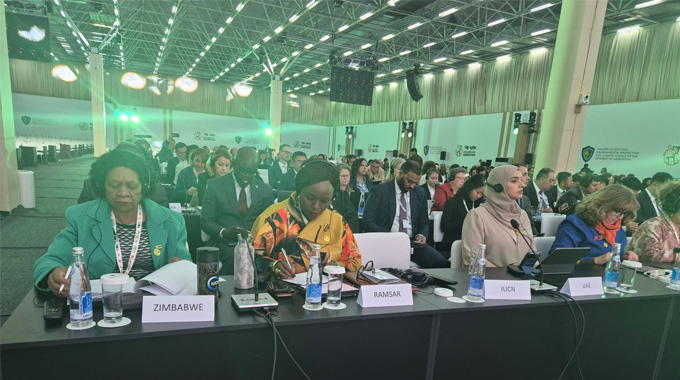
Minister Ndlovu said the conference presents yet another opportunity to objectively assess the need to dispose ivory in a way that benefits conservation and communities against the perceived fear of fuelling illegal trade.
“We call for ivory disposal as one of the ways to mobilise resources for elephant conservation and addressing human wildlife conflict as well strengthening capacities for ourinstitutions.
“Therefore, Zimbabwe comes to CoP 20 with the intention of enhancing partnerships and collaboration in ensuring that international wildlife trade is legal, safe and sustainable,” she said.
Minister Ndlovu said one of the challenges the country is facing is the ever-increasing cases of Human Wildlife Conflict largely due to high wildlife populations, particularly elephants.
“Over the past five years, more than 370 individuals have perished and more than 450 have sustained injuries due to encounters with wild animals. Furthermore, over 2 800 livestock have been lost to wildlife, in addition to the loss of property and crops. These facts emphasise the pressing need to reduce wildlife populations and mobilise resources through sustainable trade to provide assistance to victims and affected communities.
“In addition to meeting the financial costs associated with human wildlife conflict and elephant conservation, Zimbabwe continues to incur huge costs in securing the ever-growingelephant ivory stockpile of nearly 200 000 kgwith over 80% coming from natural mortalities and problem elephant management, a rhino horn stockpile of more than 6 500 kg, all of which cannot be disposed due to CITES restrictions,” said Minister Ndlovu.