Online Reporter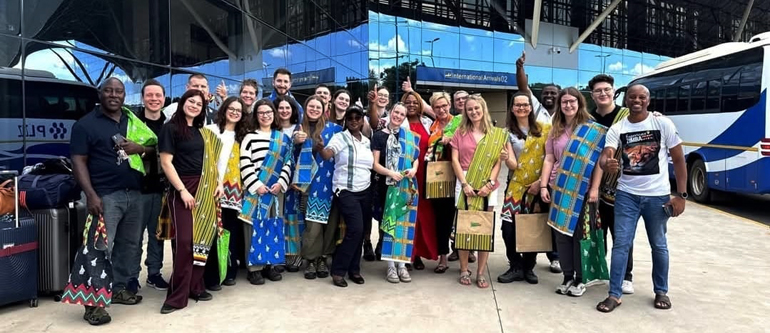
Liberty Dube
Tourism Correspondent
THE Study Tourism Cluster continues to deliver positive results for Destination Zimbabwe, marked by the recent arrival of students from the University of Potsdam in Germany for an immersive EduTour focused on tourism development, heritage conservation and cultural exchange.
The group was recently welcomed by officials from the Ministry of Tourism and Hospitality Industry and the Zimbabwe Tourism Authority upon touching down in Zimbabwe.
The programme will begin in Harare, before proceeding to Chipinge, Masvingo, Bulawayo and culminating at the iconic Victoria Falls.
Throughout the tour, students will explore key tourism attractions, participate in curated city experiences and engage with local communities while sampling Zimbabwe’s rich cultural heritage and authentic gastronomy.
The EduTour strengthens Zimbabwe’s growing reputation as a competitive educational and experiential tourism destination, enhancing destination visibility and promoting meaningful knowledge exchange on the global stage.
Study tourism, also known as educational tourism, refers to travel undertaken primarily for learning rather than leisure.
It combines academic development with cultural exploration, enabling participants to gain knowledge, practical skills and international exposure.
This form of tourism may include study abroad programmes, language immersion trips, cultural and heritage tours, field research and specialised skills training such as culinary arts, photography or environmental studies.
Beyond academic advancement, study tourism fosters cross-cultural understanding, global networks and enhanced career prospects.
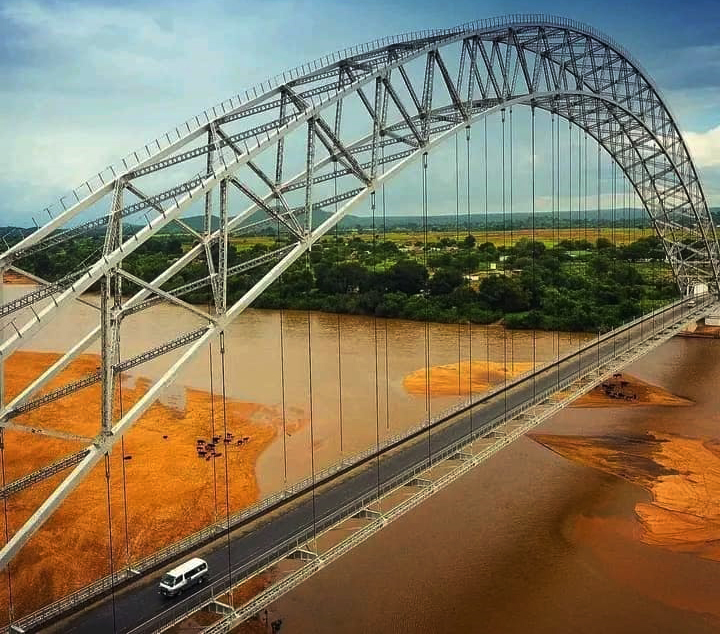
As part of their Eastern Highlands itinerary, the delegation is expected to travel through scenic and culturally significant sites in Manicaland Province, including Christmas Pass, Murahwa Hill, Mutare Museum and Birchenough Bridge on their way to Chipinge.
Mutare is renowned for its scenic beauty, offering opportunities for hiking, birdwatching and exploration of the surrounding mountains and national parks.
In Chipinge, the group is expected to visit Chirinda Forest, the historic Thomas Moodie Grave, tea and macadamia estates, and the famous Big Tree.
Birchenough Bridge, which spans the Save River, was named after Sir Henry Birchenough, chairman of the Beit Railway Trust and president of the former British South Africa Company.
Funded by the Beit Trust as a gift to the public of Southern Rhodesia, the bridge features a single arch rising 280 feet above the river and stretches 1 080 feet in length. It was designed by consulting engineer Ralph Freeman, who also contributed to the design of the Sydney Harbour Bridge and Beit Bridge over the Limpopo River.
Thomas Moodie’s Grave commemorates one of the early European settlers in the area.
In November 1892, Moodie and fellow settlers travelled from Fort Victoria into Manicaland, then largely unexplored. By January 3, 1893, they had reached Waterfall Farm, where they established the settlement of Melsetter, later renamed Chipinge.
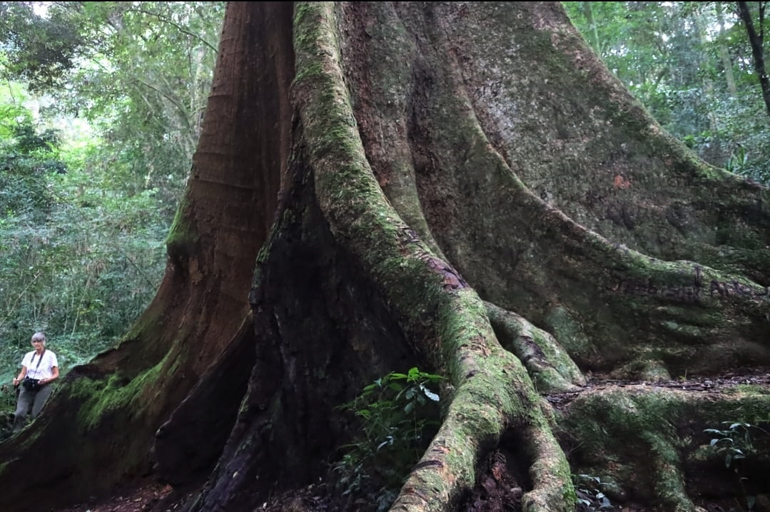
Located within Chirinda Forest, the Big Tree is the largest red mahogany tree in Southern Africa and the tallest indigenous tree in Zimbabwe. First measured in 1920 at 65 metres, it later stood at 59 metres in 1939 after some upper branches wilted. It now measures approximately 54 metres, maintaining its imposing presence and ecological significance. Estimated to be over 1 000 years old, the tree is a declared national monument.
Chirinda Forest is one of Zimbabwe’s protected forest areas, notable for its rare blend of tropical and subtropical vegetation. Dominant canopy species include Fluted Milkwood, Forest Mahogany and Peawood. Other species found within the forest include Strangling Figs, Brown Mahogany, White Stinkwood, Ironwood and Giant Diospyros.
The forest floor hosts numerous ferns, vines, orchids and Dracaena fragrans.
Birdlife in the forest includes Swynnerton’s robin, Stripe-cheeked greenbul, Moustached warbler, White-tailed flycatcher and Yellow-bellied waxbill, making it a prime destination for birdwatching.
While the forest offers breathtaking scenery and a tranquil environment, visitors are advised to exercise caution, particularly during late hours, due to the presence of reptiles such as pythons, cobras, mambas and other species native to the area.