Online Reporter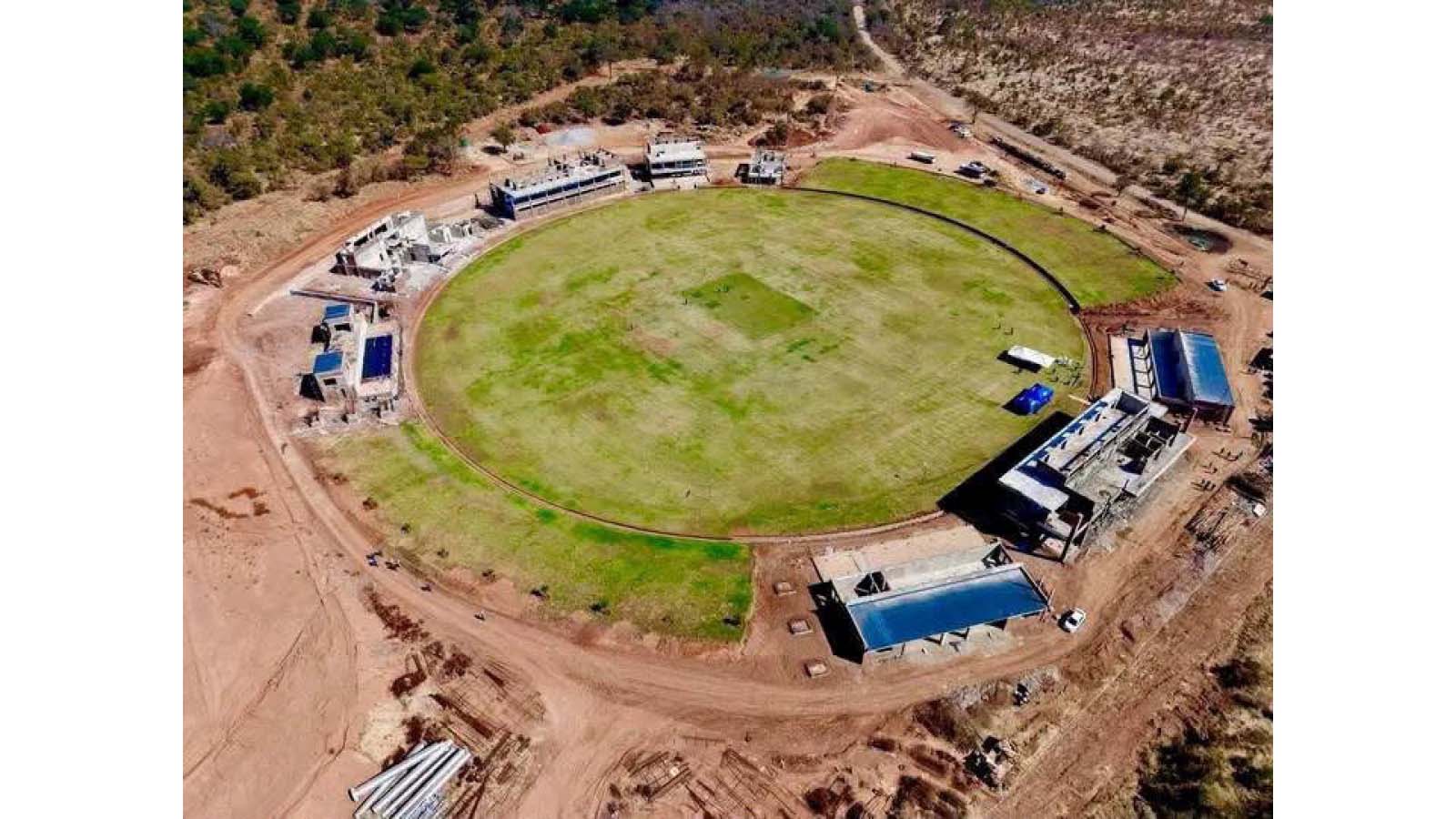
By Prosper Tsvanhu
Cricket, at its finest, is not merely the exclusive property of lordly estates in London or towering concrete bowls in Melbourne.
It belongs, most fiercely and beautifully, to the places where the sun bakes the red clay, where grass roots push through parched earth, and where every cover drive feels like an act of quiet defiance and unyielding hope.
It belongs to Zimbabwe, the land of our forefathers.
When the International Cricket Council took to the podium in Johannesburg to unveil the official host cities for the 2027 Men’s Cricket World Cup, the announcement felt less like an administrative routine and more like a triumph of the human spirit.
Built around the official tournament mantra, “Come for the cricket, stay for the culture” and the overarching theme “Make the Circle Bigger,” the launch captured an enduring African ethos rooted in the communal embrace of the woven bowl.
Twelve venues were handed the responsibility of staging the game’s ultimate spectacle, shared across three neighbors; South Africa, Namibia and Zimbabwe.
For Zimbabwe, three holy grounds will open their gates: the historic cathedral that is Harare Sports Club, the serene, timeless Queens Sports Club in Bulawayo, and the newly minted Mosi-oa-Tunya International Cricket Stadium, rising proudly within earshot of the majestic Victoria Falls.
To imagine the leather ball soaring against the misty spray of the Zambezi, echoing across a continent, is to glimpse the extraordinary romance that only African cricket can conjure.
At the heart of this unfolding saga stands a figure of immense symbolic weight and quiet authority: Richard Ngarava.
When the towering left-arm fast bowler was named to lead the national side into this new era, it represented far more than a routine change in leadership.
As a black captain steering his nation into its home World Cup, Ngarava carries on his broad shoulders the dreams of an entire generation that grew up in the townships, watching the game through chain-link fences.
This is not the first time the World Cup has found a home in these parts, but history here is never simple.
Back in 2003, when Zimbabwe co-hosted the tournament alongside South Africa and Kenya, the games were played against a turbulent political backdrop. It was an era marked by black armbands, internal strife and a game trying desperately to cling to its dignity.
Yet, on the field, the passion of the local crowds burned undimmed.
Through two decades of financial crisis and isolation that would have broken lesser sporting nations, the soul of Zimbabwe cricket refused to die.
When the country hosted the high-stakes World Cup Qualification tournaments in 2018 and 2023, the world witnessed something miraculous.
Thousands of fans packed into Harare Sports Club, singing in harmonious unison, overflowing onto the grass, clinging to the boundary fences just to witness their heroes.
It was raw, unvarnished devotion. That devotion has survived profound heartbreak.
The last time Zimbabwe actually stepped onto the main stage of a 50-over World Cup was back in 2015, on the bouncy grounds of Australia and New Zealand.
That campaign was defined by the majestic, tragic brilliance of Brendan Taylor, who signed off with breathtaking hundreds before stepping away into county cricket exile.
In the years that followed, the national side suffered the agonizing pain of missing out on both the 2019 and 2023 main tournaments by the narrowest, most brutal of margins.
Yet, the spark remained irrepressible.
The pathway to 2027 has been paved with steppingstones of deliberate renewal.
The successful staging of the 2026 ICC Under-19 Men’s Cricket World Cup, co-hosted with Namibia, served as the ultimate dress rehearsal and a vital shot of confidence.
Taking international matches to Takashinga Cricket Club in Highfield, the township cradle of black cricket in Zimbabwe, was a masterstroke.
Enormous credit must be paid to the Zimbabwe Cricket board for navigating this long, treacherous road back to grace.
Now, as the clock ticks towards 2027, the stage is set for a celebration unlike any other.
The invitation is clear: “Come for the cricket, stay for the culture.”
But the truest test of this event will lie in how the local people embrace it.
When the world’s finest batsmen and bowlers step onto Zimbabwean turf in 2027, they will find a nation ready to wrap them in the warm embrace of African hospitality.