Online Reporter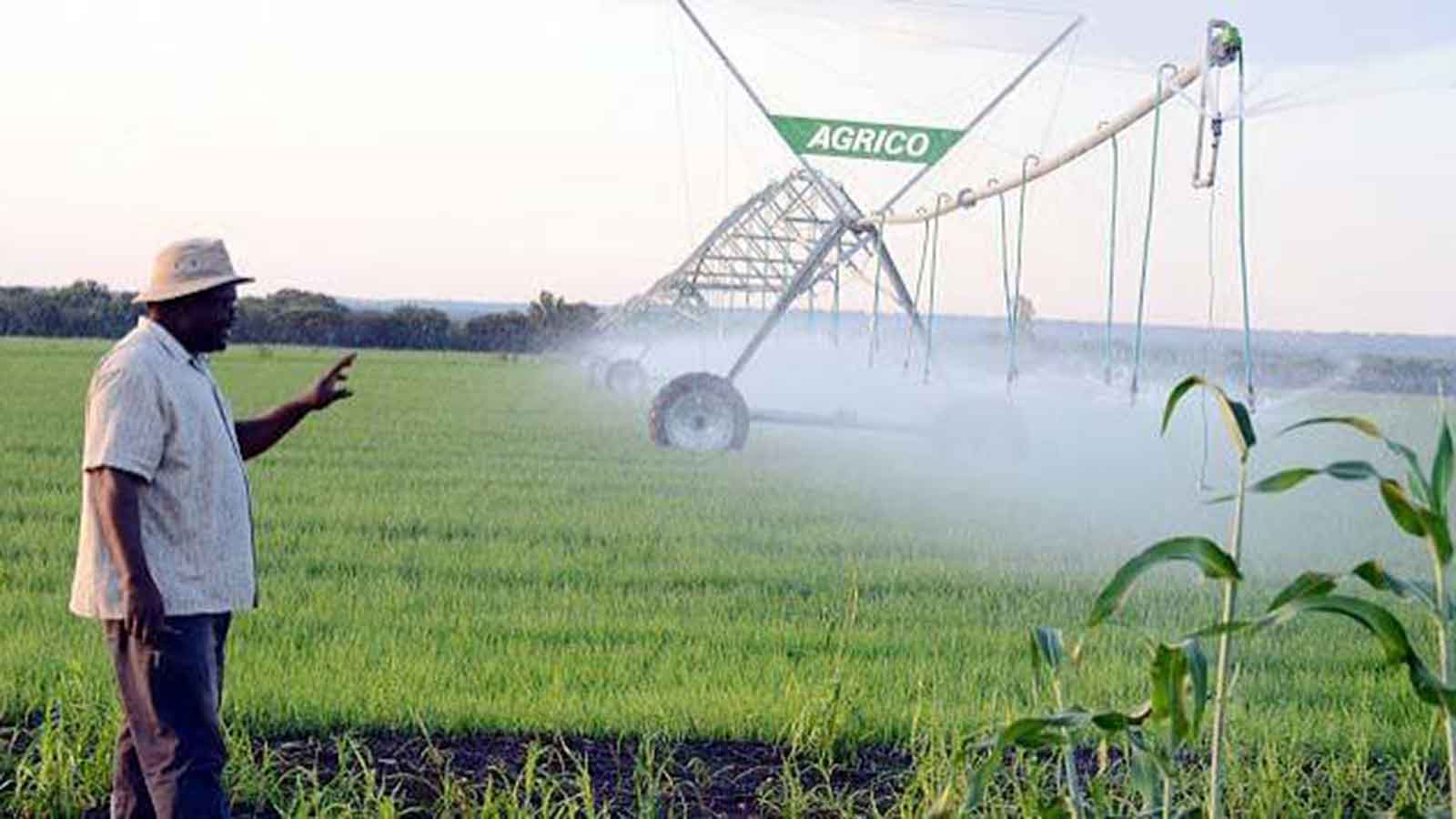
MacDenias Moyo
The story of Zimbabwe today is not one of despair, but of renaissance.
It is the tale of a nation that has risen from the ashes of sanctions, sabotage and drought to stand as a beacon of resilience and vision.
It is the chronicle of a people who have refused to be defined by the scars of yesterday and who now march with conviction towards the promise of Vision 2030.
The World Bank itself, once a sceptical observer, now affirms that Zimbabwe can attain upper‑middle‑income status by 2030, provided reforms continue to be implemented with decisiveness. This is no small endorsement. It is a recognition that the covenant of the Fourth Chimurenga, the economic emancipation of our people, is not a dream deferred, but a destiny unfolding.
The World Bank projects that under the reform scenario, real GDP could be 10.7 percent above baseline by 2030, rising to 26.9 percent by 2040, while generating 2.7 million more and better job equivalents by 2040.
Agriculture, mining, manufacturing and tourism are identified as the pillars upon which this edifice of prosperity shall rest.
This is not rhetoric. It is empirical affirmation that Zimbabwe’s path is sound, its leadership visionary, its people industrious. When the World Bank, once the custodian of orthodoxy, declares that Zimbabwe’s Vision 2030 is achievable, it is a thunderous vindication of President Mnangagwa’s stewardship.
Agriculture, the backbone of our sovereignty, has been fortified with climate‑smart strategies. Cabinet has adopted a six‑pillar drought resilience plan to shield the nation against the vagaries of El Nino. Strategic grain reserves are being expanded to 600 000 tonnes, livestock protection measures are in place and financing architecture has been strengthened to ensure resilience.
National cereal production is projected at 1.6 million tonnes and though deficits remain, the architecture of preparedness is robust. This is not the Zimbabwe of yesteryear, perpetually at the mercy of drought. This is a Zimbabwe that plans, anticipates and mitigates.
The Food and Agriculture Organisation has commended Zimbabwe’s Pfumvudza programme as a model of climate‑proofed agriculture, while Minister Anxious Masuka has declared the nation food secure.
Tobacco, once exported as raw leaf, is now being targeted for value addition, with Vice President Constantino Chiwenga calling for investment in cutting, blending and packaging to retain more value domestically. This is sovereignty translated into economic praxis.
Mining, the spearhead of industrialisation, has been revolutionised. Zimbabwe has suspended exports of antimony and tungsten, insisting on local processing and beneficiation.
The Government has banned single‑mineral mining operations, requiring investors to process multiple minerals at source.
This ensures that lithium, nickel, graphite, manganese, cobalt, copper, chrome, platinum and rare earths are harnessed in integrated value chains.
Sandawana Mine advances a US$700 million lithium beneficiation programme, with a US$300 million concentrator and a US$400 million lithium sulphate plant. Zimbabwe’s lithium sales have surged to US$1.25 billion in just eight months of 2026, a 413 percent increase in value compared to 2025.
The export ban on lithium concentrate from January 2027 will anchor beneficiation, ensuring that Zimbabwe does not remain a quarry for foreign powers, but a hub of energy transition.
The African Development Bank has hailed Zimbabwe’s beneficiation policy as a model for resource nationalism in Africa. This is the fulfilment of the promise that our minerals must benefit Zimbabwe, not the West.
Manufacturing and industry are rising from the dust. The Chegutu cement plant, built by Shuntal Investment of China, is set for commissioning in October, with an annual production capacity of 800 000 tonnes. This will reduce imports, strengthen construction and advance industrialisation.
The Chirundu Border Post modernisation, financed through a PPP with Standard Bank of South Africa, will transform the North‑South Corridor, facilitating trade and passenger movement.
The National Railways of Zimbabwe is negotiating a US$115 million Afreximbank loan to acquire locomotives and wagons, the first step in reviving a network that once carried 12 million tonnes of freight. The Confederation of Zimbabwe Industries has lauded these developments as catalytic for manufacturing revival. This is industrial sovereignty in motion.
Energy, the lifeblood of modern economies, is being secured. Wicknell Chivayo’s Intratrek has been given 24 months to complete the 100MW Gwanda Solar Project, with CHiNT Electric as technical partner. The US$172 million project, once stalled, is now revived and Chivayo has publicly committed to completion.
The Gwayi‑Shangani Dam, funded at US$8 million monthly, is 82 percent complete, with power generation, pump stations, pipelines, irrigation schemes and water treatment facilities in progress. This dam will transform Matabeleland, providing water to Bulawayo and irrigation to thousands of hectares.
The United Nations Development Programme has praised Zimbabwe’s renewable energy investments as critical for resilience. This is energy sovereignty, ensuring that Zimbabwe lights its homes and powers its industries without begging from foreign capitals.
Tourism, the crown jewel of our natural heritage, continues to flourish. Zimbabwe was crowned Destination of the Year — Natural Wonders at ITB Berlin 2026, with Forbes naming it a must‑visit destination. International arrivals rose 11%, receipts climbed 14% to US$251 million, and investment surged 438% to US$678 million. Victoria Falls, Hwange, Mana Pools and Great Zimbabwe are not just monuments of beauty. They are engines of economic growth. The World Tourism Organisation has acknowledged Zimbabwe’s tourism strategy as exemplary. This is cultural sovereignty, where our heritage becomes our wealth.
Infrastructure is being modernised with dams, roads, ICT and rail. The Gwayi‑Shangani pipeline stretches 256km to Bulawayo, Kunzvi Dam is 65 percent complete and nationwide road rehabilitation has transformed transport. ICT has surged with 4G and 5G networks, fintech innovation and youth start‑ups.
The International Telecommunication Union has recognised Zimbabwe’s digital transformation as a model for Africa. This is infrastructural sovereignty, where the arteries of the nation are strengthened to carry the lifeblood of commerce and communication.
The successes of Vision 2030 are not abstract. They are tangible, measurable, visible. The World Bank has delisted Zimbabwe from fragile and conflict‑affected economies, affirming our stability. The IMF’s Article IV consultation acknowledged macroeconomic stability, record‑high gold prices and recovery from drought. The African Union has hailed Zimbabwe’s resilience. The United Nations has supported our healthcare and education programmes. Forbes has recognised our tourism. The African Development Bank has praised our beneficiation. These are not partisan voices. They are global authorities affirming that Zimbabwe is on a positive path.
President Mnangagwa has declared that our democracy is ours to refine, ours to perfect, ours to defend. Under his stewardship, Vision 2030 is not a slogan, but a covenant. NDS1 created over 820 000 jobs, exceeded targets and NDS2 promises to catapult Zimbabwe into upper‑middle‑income status.
Constitutional Amendment Act 3 consolidates sovereignty, perfecting governance. Cabinet’s Performance Based Reviews ensure accountability and delivery. This is governance sovereignty, where leadership is measured by results, not rhetoric.
The promise of the struggle was that our land must feed our families, our minerals must build our industries, our vote must empower our people. Today, under Vision 2030, that covenant is being fulfilled. Zimbabwe is no longer a fragile State.
It is a rising State. It is a State that has translated sacrifice into sovereignty, vision into reality, promise into prosperity. The bones have risen. The covenant is fulfilled. The destiny of Zimbabwe is secure.