Online Reporter
Tendai Gukutikwa
Mutare Bureau
THE Zimbabwe Gender Commission has marked a defining moment in its journey by unveiling a permanent national headquarters in Harare and expanding its reach to five provinces, including Manicaland, with five more provinces still awaiting decentralisation.
The commission decentralised to Manicaland last year in February.
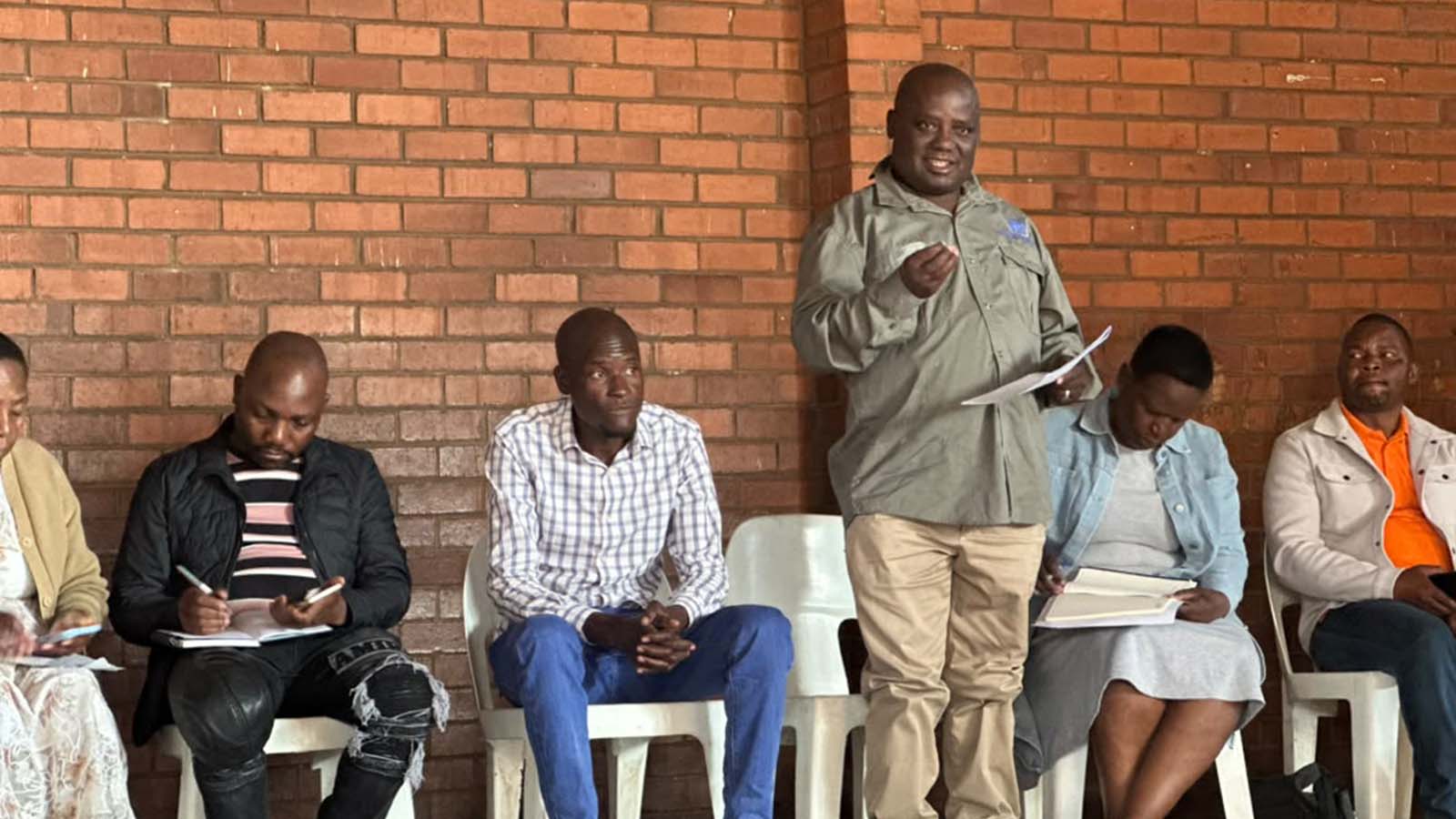
Addressing the Manicaland Provincial Gender Forum in Mutare on Tuesday, the commission’s chairperson, Commissioner Margaret Mukahanana Sangarwe said the establishment of offices in the provinces was a powerful symbol that gender equality was not a temporary initiative, but a national priority.
“By bringing our presence closer to the people, we are not only increasing access to justice and gender services, but we are also sending a clear and deliberate message—gender equality must no longer be seen as a peripheral or elite concern,” she said.
“It must be rooted in every corner of this country, from our cities to the most remote villages,” she said.
“Decentralising our offices is a bold step towards dismantling the structural barriers that prevent women, men, and young people from fully enjoying their rights.
“This move affirms that gender equality is not a seasonal campaign, but a permanent, foundational pillar of national development.”
She said the commission has now decentralised to Bulawayo, Midlands, Manicaland, Masvingo and Mashonaland West, while emphasising that five other provinces are still without the commission’s representation, which is an obstacle that needs to be urgently addressed.
“In the spirit of leaving no one and no place behind, we have made progress in expanding our institutional footprint,” she said.
“But our absence in other provinces still restricts our overall impact. This is something we must urgently correct if we are to meet our mandate.”
She also said the decentralisation effort is a crucial part of the commission’s goal to localise gender justice and make its services accessible to every Zimbabwean.
“Over the past decade, we have made significant progress. From holding institutions accountable and operationalising a gender complaint call centre, to conducting national inquiries into sexual exploitation and child marriage, our footprint is undeniable. But the road ahead still requires collective strength,” she said.
She also said commission now has permanent headquarters in Harare, which has been christened the house of gender equality.
“This is more than just a building, it is a powerful symbol that shows that gender equality is now etched in stone and steel. With this permanent home, we lay the institutional foundation for sustained gender action,” she said.
Manicaland Provincial Affairs and Devolution Minister, Advocate Misheck Mugadza, praised ZGC’s efforts and decentralisation drive, describing it as a clear embodiment of President Mnangagwa’s philosophy to leave no one and no place behind.
“The decentralisation of commission to our province is a true reflection of that vision,” Advocate Mugadza said.
“We have already seen how the local presence of the Commission empowers communities to engage meaningfully, tailor interventions, and articulate gender issues from the grassroots.”
He called on all institutions and stakeholders present to seize the opportunity of the decentralisation of commission to Manicaland and help shape gender-responsive solutions that would influence national discourse.
“Let us reaffirm our commitment to SDG 5 and Vision 2030. We can only achieve true development if it is inclusive and just,” he said.
“Together, we can build a future where every individual, regardless of gender, has the opportunity to contribute to and benefit from our nation’s prosperity. Let the achievements of the past decade serve as a springboard for even greater progress.”
Minister Mugadza also applauded commission’s influence in shaping gender-responsive policies and increasing women’s representation in governance.
“Women now hold over 30 percent of parliamentary and local authority positions. That is not by accident, but because of strategic advocacy and support led by the commission,” said Minister Mugadza.
He also noted that the milestone is both celebratory and forward-looking.
“It reflects how far we have come and where we must still go. Persistent challenges such as gender-based violence, unequal access to resources, and cultural norms must now be confronted with innovation and unwavering resolve,” he said.