Online Reporter
Herald Reporter
Government has incorporated outbreaks of bedbugs and stray dog attacks into its updated Disaster Risk Management (DRM) planning, as part of efforts to strengthen urban resilience across Zimbabwe.
This comes as the World Food Programme (WFP) and World Vision have collaborated with Government under the Urban Preparedness Project Phase Two to strengthen preparedness and response to disasters in urban areas through coordinated tools and strategies.
The project is funded by the European Civil Protection and Humanitarian Aid Operations (DG-ECHO).
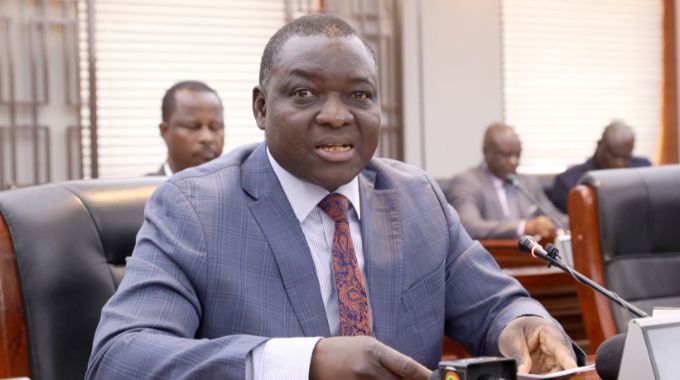
Addressing Epworth stakeholders attending the DRM training workshop in Kadoma today, Ministry of Local Government and Public Works DRM director, Mr Charlton Murove said Government was committed to addressing emerging urban hazards.
“The Second Republic, under the leadership of President Emmerson Mnangagwa, has prioritised disaster response,” he said.
“Recent incidents involving fatal pit-bull attacks and widespread bedbug infestations fall under our ministry’s mandate.”
Mr Murove said the ministry led on urban hazards, while zoonotic diseases such as rabies were managed in collaboration with the Ministry of Health and Child Care and the Department of Veterinary Services.
Meanwhile, some informal settlements in Epworth, Ruwa, Chitungwiza and Harare Metropolitan have continued to face multiple hazards, including inadequate potable water supply, dysfunctional infrastructure, improper waste disposal and proliferation of unregistered schools.
Epworth Local Board town engineer Bernard Wiridza acknowledged these challenges but highlighted ongoing support from the central Government.
“Instead of evicting residents from informal settlements, the Government has directed us to regularise them. We are currently working to formalise between 7 000 and 8 000 households,” he said.
Epworth resident, Mr Charles Chiweshe, stressed the importance of community involvement.
“Getting affected people involved in the planning is key. This training has been an eye-opener,” he said.
The Urban Preparedness Project Phase Two supports local and national governments to ensure urban centres are better prepared and able to respond to urban risks and emergencies resulting in a reduced number of affected people.
Following the participation of Mutare, Gweru and Epworth in Phase I, Bulawayo has now joined Phase II due to its ongoing water crisis, flash floods and waste management issues.
Phase Two began in October 2024 and will run until February 2026.
Local Government Services director, Ms Nyaradzo Tagarira applauded the collaboration between Government and the WFP.
“Our partnership with WFP on DRM has been productive. As Government, we aim to build self-resilient communities,” she said.