Online Reporter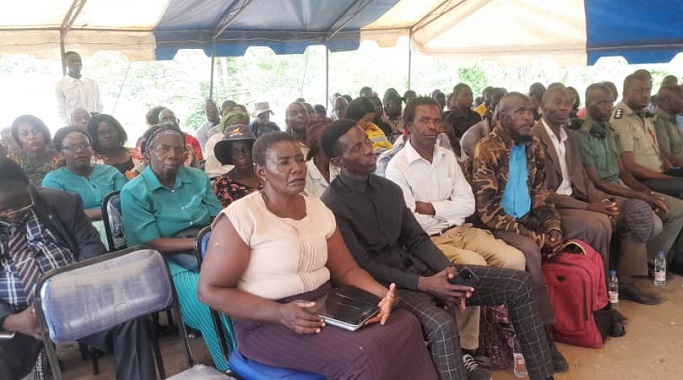
Caroline Mutsawu in Hwange
Hwange district in Matabeleland North came alive on Thursday as it hosted the World Radio Day celebrations, emphasizing the vital role of radio in fostering climate resilience within communities.
The event saw government officials, traditional chiefs, stakeholders, broadcasters, and representatives from various community groups gathering at Lyeja FM community radio station to mark the occasion.
This year’s celebration was guided by the national theme, “Radio and Resilience in Zimbabwe,” which resonates with the global theme, “Radio and Climate Change: A Powerful Tool for Climate Action.”
World Radio Day, commemorated annually on February 13, underscores the significance of radio as a medium for raising awareness on pressing social, cultural, and economic issues.
Speaking at the event, Zimbabwe Media Commission chairperson, Professor Ruby Magosvongwe emphasized the pivotal role radio plays in addressing climate change, one of the pressing issues of our time.
“This year’s global theme reminds us of the urgent need to harness the power of radio in addressing one of the greatest challenges of our time which is climate change.
“This moment is a historic milestone in our country’s broadcasting landscape as we continue to expand the airwaves and strengthen access to information at the grassroots level. This launch is not just a birth if a radio station but the strengthening of a vital communication bridge between the community and the Information they need to navigate daily life including the impact of climate change,” said Professor Magosvongwe
She noted that Zimbabwe is particularly vulnerable to the impacts of climate change pointing to the devastating effects of prolonged droughts, cyclones, erratic rainfall patterns and extreme weather conditions that have affected agriculture, water security and livelihoods.
“In times like these information is not just power but it is survival. Radio as one of the lost accessible affordable and far reaching communication tools has proven o be a life saving medium in climate related crises. Across the world and in Zimbabwe we have seen radio stations broadcasting global warning systems during disasters such as cyclone Idai in 2019 helping people evacuate and take necessary precautions.
“Community radio stations in low lying areas have played a crucial role in disseminating information about impending floods, heatwaves and disease outbreaks linked to climate change.”
UNESCO Director General, Ms Audrey Azoulay paid tribute to radio’s vital role to helping communities adapt and mitigate the effects of climate change.
“World Radio day is an opportunity to celebrate this enduring, versatile and widely accessible means of communication. This year we are paying tribute to the different ways in which radio serves as a tool for adapting to and mitigating the effects of climate disruption in our rapidly changing world,” said Azoulay.
In 2011 UNESCO proclaimed World Radio day to recognize the importance of radio in connecting people, fostering free expression and serving as a lifeline during disasters and calamities.
“Communication and information shape the world we live in and we must ensure that the information we share and receive is reliable. On this world radio day let us celebrate and protect the powerful form of media and its unique role as we work to address the climate crisis,” she added.
The Second Republic under its Visionary leadership President Mnangagwa has made significant strides in promoting community radio, with 14 community radio stations licensed to date. Some of the licensed stations include Lyeja FM in Hwange, Ntepe FM in Gwanda, Vemuganga FM in Chipinge and Twasumpuka FM in Binga.