Online Reporter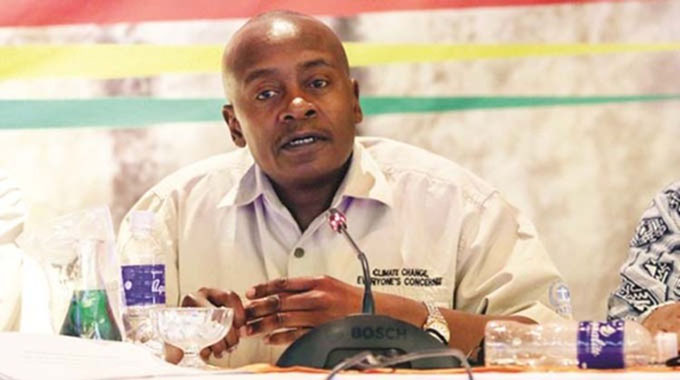
Rutendo Nyeve, Victoria Falls Writer
ZIMBABWE is experiencing a surge in carbon credits trading applications following the move by the Government to regulate the sector through Statutory Instrument (SI) 48 of 2025, which has brought transparency and fairness to a previously opaque market.
To date, the Government has registered six carbon credit projects with more than 30 additional projects on the pipeline, signalling growing confidence in the country’s structured approach to carbon trading.
These projects are expected to benefit local communities while contributing to global climate change mitigation efforts.
In an exclusive interview with Zimpapers in Victoria Falls yesterday, Chief Director in the Ministry of Environment, Climate and Wildlife, Mr Washington Zhakata, highlighted the significance of the new regulatory framework.
“The promulgation of SI 48 of 2025 was a very critical stage in the implementation of a couple of trade agreements with the Government
“After the Government realised that the trade had been ongoing, but it was not fair, it was not transparent and it was benefitting just a few instead of also benefitting the communities,” said Mr Zhakata.
He explained that the launch of the Carbon Credit Platform by President Mnangagwa on May 23, 2025, marked a turning point in Zimbabwe’s carbon trading landscape.
The platform includes a policy framework and a carbon registry to prevent double-counting of credits and ensure accountability.
“This launch opened up the bubble for carbon trading, a situation that has been well received in the world,” said Mr Zhakata.
“We are receiving so many requests for inclusion in the carbon credit trading platform, from international developers, local project proponents and even auditors with over a decade of experience in carbon credit projects.”
Before SI 48, carbon credit trading in Zimbabwe was largely unregulated, with some entities operating without proper oversight. The new framework ensures that all projects are registered, with 30 percent of revenue from carbon credit sales going to the Government, while the remainder benefits project developers and local communities.
“Initially, we needed to understand who had been implementing carbon credit projects in the country.
“There was a fear that without proper records, new players could encroach on existing projects, leading to conflicts and invalidated credits,” he said.
So far, six projects have been formally registered, with one already advancing to the trading phase, offering over two million carbon credits on the market.
The price per credit varies, ranging between US$10 and US$15, depending on demand and negotiation.
“Those who buy these credits are entities or countries abroad that have emission reduction targets they cannot meet domestically
“The Paris Agreement allows them to purchase credits from other nations, and depending on urgency, prices can rise,” he said.
The structured approach ensures that local communities, previously sidelined in carbon trading, now stand to benefit.
Revenue from these projects will support sustainable development initiatives, including clean energy, reforestation, and community welfare programmes.
With more projects expected to come on board, the nation is positioned as a key player in Africa’s carbon market, attracting both local and international investors eager to participate in a transparent and equitable system.
“We have more than 30 new projects in the pipeline. This is just the beginning, Zimbabwe is open for sustainable business,” he said.
As the nation embraces this green economic opportunity, this will come in handy for both the environment and the nation.