Chronicle Editor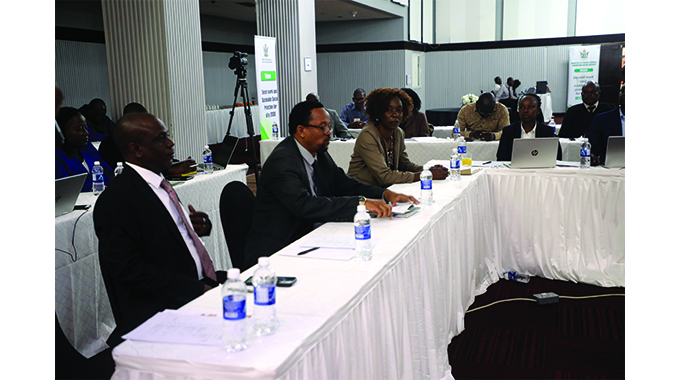
Sikhumbuzo Moyo – [email protected]
ZIMBABWE has signed an agreement with the International Labour Organisation (ILO) that will see the country getting technical and financial support from the labour body as it implements the Labour Market Information System (LMIS).
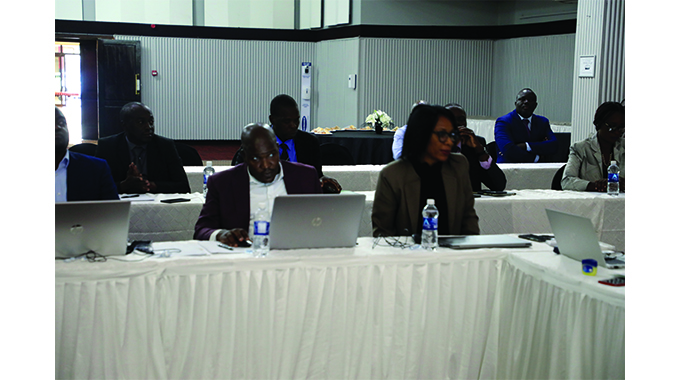
This came out during a workshop held yesterday at a local hotel under the theme; “Strengthening bilateral relations for labour employment.”
The workshop was also attended by an eight-member Botswana delegation led by that country’s Ministry of Labour and Home Affairs Deputy Permanent Secretary Ms Tshepo Nkwadi.
In 2013, the Southern African Development Committee (Sadc) adopted the labour market information system implementation plan that entails all Sadc countries to come up with a comprehensive and robust labour market information system.
Labour market information system (LMIS) provide an essential basis for employment and labour policies and informs the design, implementation, monitoring and evaluation of policies that are better focused and targeted. LMIS also contributes to a reduction in the transaction costs of labour markets as they help overcome incomplete information of labour market agents.
Most countries are committed to the development of labour market information systems as data limitations affect issues such as informality and employment protection.
In September 2008, the ILO convened an international Tripartite Meeting of Experts (TME) on the Measurement of Decent Work and consequently adopted a framework of Decent Work Indicators – statistic and legal – that was endorsed by the 18th International Conference of Labour Statisticians.
The ILO framework Work Indicators cover 10 substantive elements corresponding to the four strategic pillars of the Decent Work Agenda (full and productive employment, rights at work, social protection and the promotion of social dialogue).
The 10 substantive elements are employment opportunities, adequate earnings and productive work, decent working time, combining work, family and personal life, work that should be abolished, stability and security of work, equal opportunity and treatment in employment, safe work environment, social security and social dialogue, employers’ and workers’ representation.
Speaking on the sidelines of the workshop which ends tomorrow, Chief director labour administration and employment services and promotion in the Ministry of Public Service, Labour and Social Welfare Mr Cliford Matorera said Zimbabwe wants to come up with a standard system where data on issues to do with labour market information in Zimbabwe will be collected.
“In 2013 Sadc adopted the labour market information system implementation plan that entails all Sadc countries to come up with a comprehensive and robust labour market information system and from there, countries are now seeking assistance from development partners and ILO is one of the partners,” he said.
Mr Matorera said Zimbabwe will get technical and financial support as it builds up an institutional framework and capacitate its internal systems that will lead to a more robust and efficient information system for planning purposes as it implements the LMIS.
He said Zimbabwe and Botswana signed a Memorandum of Understanding (MoU) on LMIS and that is why the Botswana delegation is also attending the workshop.
Apart from officials from the neighbouring country, an ILO representative Ms Maria Payet presented a virtual report from Pretoria, South Africa on the ILO’s technical support in the development of LMIS in Sadc countries.
“We are sharing experiences with our Botswana counterparts and we hope when we return to our stations we will then use the information from this workshop to improve our systems,” said Mr Matorera.
He said the workshop seeks to come up with a standard system where data on all issues to do with labour market information is collected by relevant ministries. Mr Matorera said in Zimbabwe such information used to come from other agencies like the Zimbabwe National Statistics Agency (Zimstat) which has the responsibility to collect data on behalf of Government.
“It is important to note that labour market information is very critical as it assists a country in planning socio-economic activities. It is important to understand and know what is happening in the economy in terms of labour,” said Mr Matorera.
This morning proceedings are expected to start with a presentation from Botswana on their experiences in the implementation of the LMIS project with the assistance of the ILO.–@skhumoyo2000


 Online Reporter