Online Reporter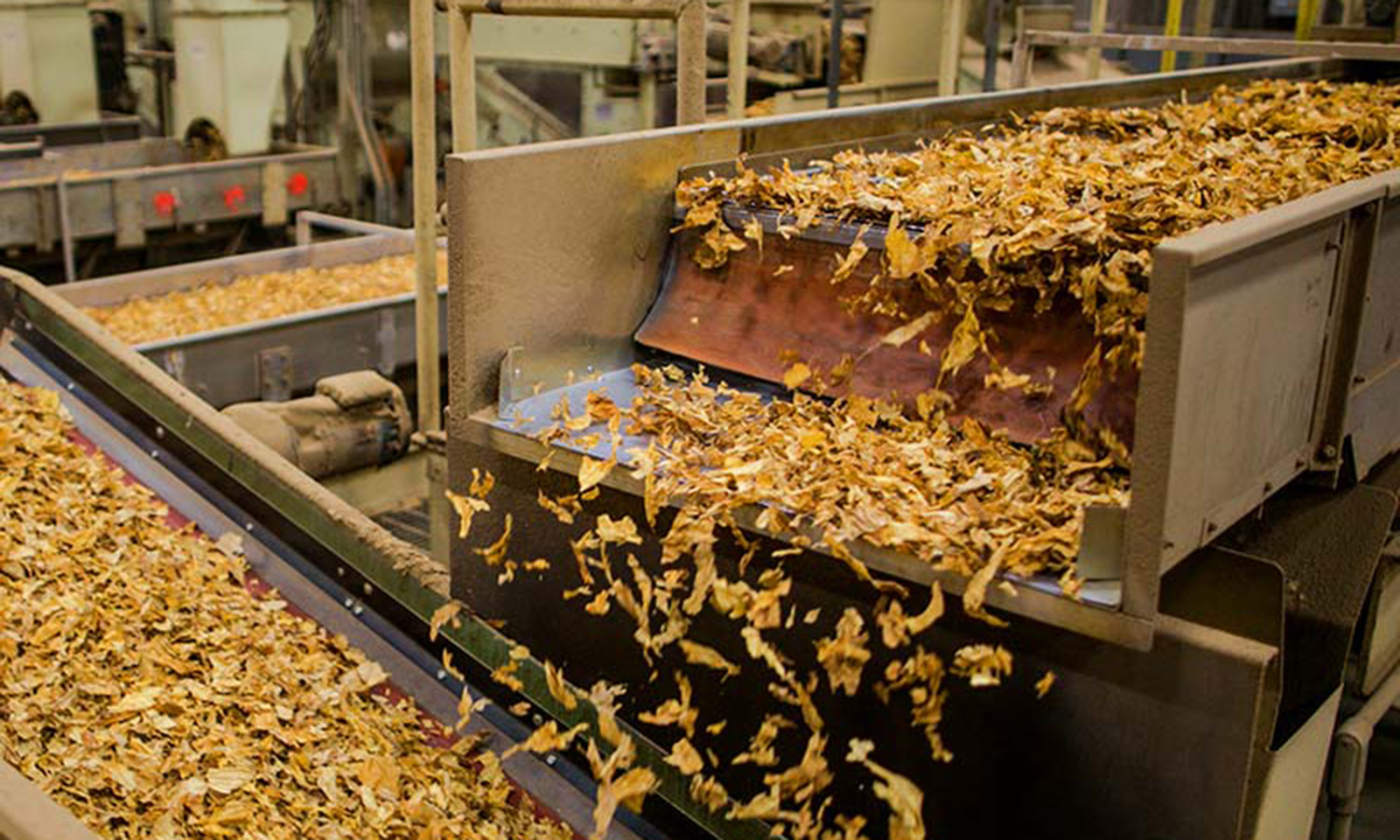
Martin Kadzere
In a significant move to bolster its position as Africa’s largest tobacco producer, Zimbabwe is set to commission a fourth Green Leaf Threshing (GLT) plant within the next two years, an official has said.
The investment comes as the country shatters production records and now eyeing a target of 400 million kilogrammes for the upcoming season.
This directly addresses warnings from industry players about a major bottleneck in processing capacity at a time when the country was aggressively increasing output.
With only three green threshing plants (GTL) currently operational, industry players are warning of severe processing delays.
This could lead to a backlog in fulfilling international orders and an increase in warehousing costs.
“We are setting up the GLT in the next 24 months to ensure that we have got capacity,” Mr Hurbert Nyanhogo, a member of the Local Content Strategy Committee under the Ministry of Industry and Commerce told a recent conference on tobacco.
“According to the local content committee strategy, it is one of the strategies to eliminate the export of our raw tobacco,” he added without giving details.
A GLT plant is a vital cog in the tobacco value chain.
It is where the unprocessed tobacco leaves are transformed into a semi-finished product ready for export.
The core function of a GLT is to separate the valuable tobacco leaf (lamina) from the central stem (midrib), a process known as threshing.
The leaves are first conditioned with steam to make them pliable, then mechanically threshed, and finally separated using air classifiers.
The result is a clean, uniform product that is dried and packed for international markets.