Online Reporter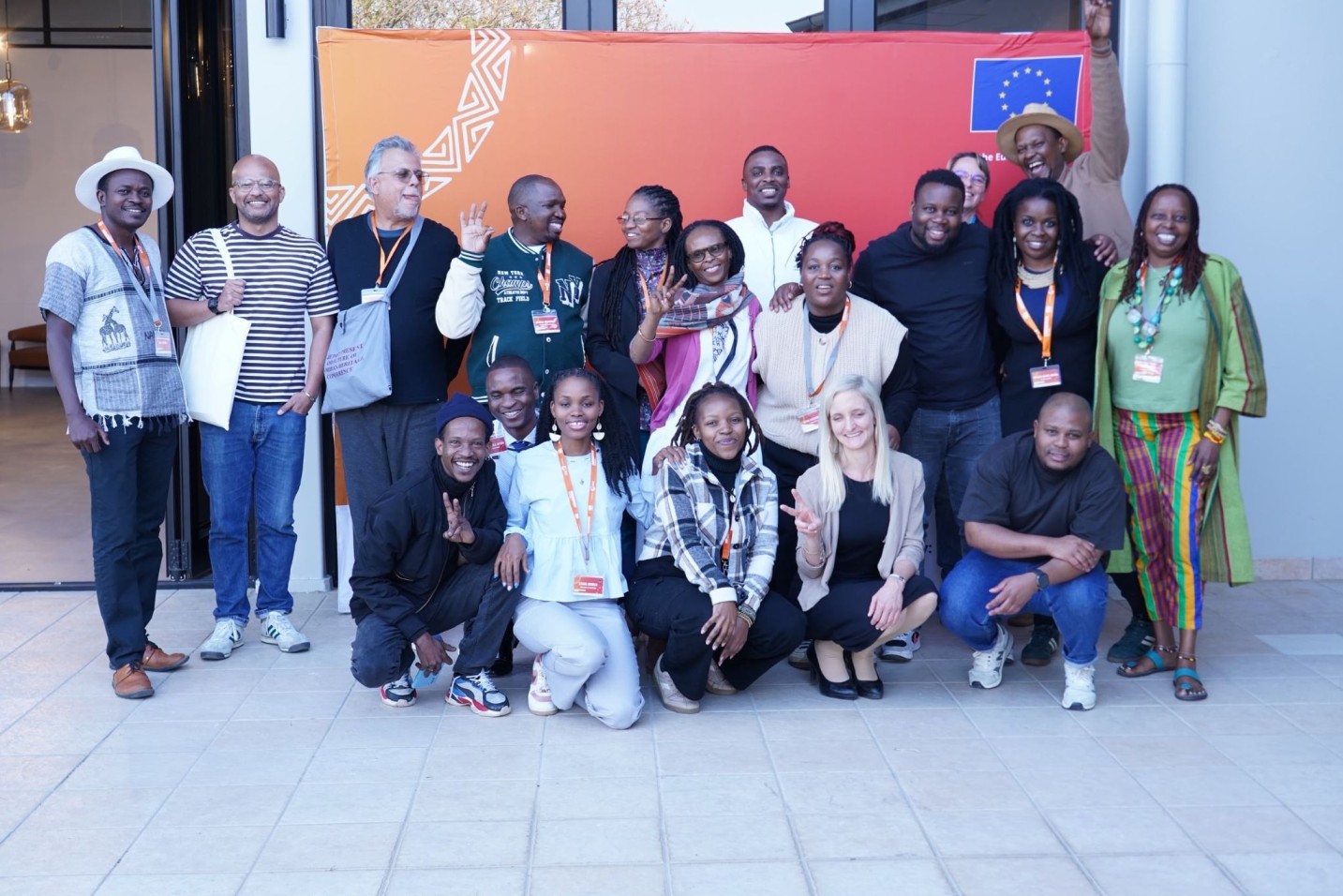
Mbulelo Mpofu [email protected]
ZIMBABWEAN heritage practitioners have returned from Namibia with renewed commitment to strengthening regional collaboration and reclaiming authentic African narratives following the successful Africa-Europe Partnerships for Culture (AEPC) Southern Africa Entanglements Workshop.
Held over four days at the Goethe-Institut in Windhoek under the theme “Reimagining Shared Histories: Co-Creating Heritage Narratives between Southern Africa and Europe”, the workshop brought together heritage practitioners, artists and cultural institutions from across Southern Africa to explore how shared histories can be reinterpreted through contemporary artistic collaboration.
The workshop forms part of the broader Africa-Europe Partnerships for Culture initiative, which seeks to bridge the gap between heritage institutions and contemporary audiences by placing local organisations at the centre of cultural storytelling.
Unlike conventional heritage programmes that often present history as static, the initiative adopts a bottom-up approach, encouraging heritage institutions to work alongside interdisciplinary artists to transform historical sites, traditions and memories into living narratives that resonate with today’s communities.
Ahead of the project’s official launch, participants engaged in the Entanglements workshops, examining how historical connections across borders have shaped collective identities, how heritage can contribute to healing historical trauma and how shared histories can inspire future generations.
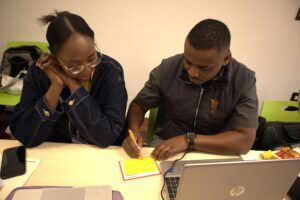
The Southern African programme spans Botswana, Eswatini, Lesotho, Namibia, South Africa and Zimbabwe, with each country hosting its own Entanglements workshop as part of the regional collaboration.
Zimbabwe was represented by the Amagugu Heritage Centre through its director, Allington Ndlovu, the National Gallery of Zimbabwe through Bulawayo regional manager Silenkosi Moyo and Windhoek-based Zimbabwean culture and heritage advocate Mellisa Nonhlanhla Moyo, founder of the Let’s Talk Heritage social media platform.
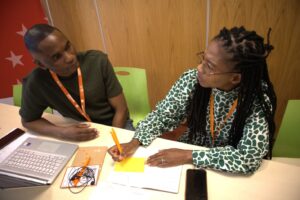
Reflecting on the experience, Mellisa Moyo said the workshop demonstrated how heritage and artistic expression can unite African communities despite the continent’s painful colonial past.
“Hosted at the Goethe-Institut in Namibia, the Entanglements workshops centred on tracing our personal and collective histories to uncover the shared threads that connect us. Participants explored how art can serve as a powerful medium for storytelling and a pathway toward collective healing,” she said.
“My most profound takeaway was how deeply the spirit of Ubuntu resonated throughout the space; despite our complex, shared history, particularly the enduring scars of colonialism, we discovered a genuine capacity to uplift one another.”
She said the experience reaffirmed the importance of unity in reclaiming authentic African stories.
“Ultimately, the workshops reminded us that while systems like ‘divide and conquer’ were designed to dismantle our power, our true strength lies in standing together.”
Moyo also applauded the organisers for creating a platform where artists and heritage institutions collaborated as equal partners.
“Another takeaway was bringing heritage organisations and artists into the same space. It was brilliant as it created a balance. By sharing creative processes alongside production and logistical frameworks, we learnt how to collaborate more effectively and meet in the middle, ultimately producing work that deeply honours our heritage while prioritising our authentic narratives,” she said.
Moyo said the workshop highlighted the deep cultural connections that transcend national boundaries.
“The whole workshop was very insightful. I think my silent observation to start off with was the common elements that we have as people and as countries in terms of culture, common elements in terms of food, dress, indigenous knowledge systems, history, colonialism and artworks,” she said.
“All of these things are intertwined and it makes you see that we are just one people who are just separated by artificial borders that have been put in place.”
She said discussions evolved from recognising common histories to building a shared regional vision for the future.
“So, the beautiful thing that came out of it is the agreement by all of us that we’re building an ecosystem and agreed on an ilima concept (co-operative work), which is sharing ideas and working together to say if we’re going to work as a cluster on this partnership, the concept that we need to adopt is the ilima one, hence the final formulation of the working theme, yet to be finalised,” she said.
The emphasis on ilima, a philosophy rooted in collective effort and shared responsibility, reflected one of the workshop’s central goals: moving beyond reflecting on history to forging practical partnerships capable of strengthening the cultural and heritage sectors across Southern Africa.
The programme concluded on Friday with the official launch of the Southern African component of the Africa-Europe Partnerships for Culture project at the Goethe-Institut in Windhoek, bringing together stakeholders from the arts, culture and heritage sectors to mark the beginning of a new phase of regional collaboration. – Follow on X
@MbuleloMpofu