Rodgers Irimayi
Cultural Perspectives
IN this cultural dynamic and globalizing world, fast food chains and international cuisines dominate city streets and social media feeds, but Zimbabweans carry on to fiercely uphold and cherish their traditional foods.
This is not about cultural sustenance, it is a powerful affirmation of identity, history, and community values that have been passed down through generations. But what exactly drives Zimbabweans to preserve and promote their traditional foods amidst the encroaching influences of modernity?
A Link to Heritage and Identity
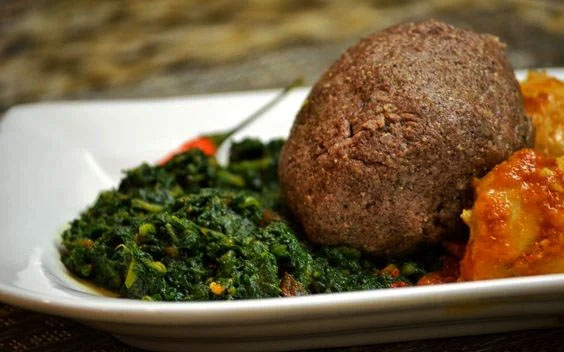
For Zimbabweans, traditional food is more than just a meal, it is a living expression of their history and cultural identity. Dishes like sadza (staple food made from ground maize), nyama (meat), muriwo (leafy vegetables), dovi (peanut butter) and maputi (popped maize) are deeply embedded in the social fabric of the nation. These foods connect individuals to their ancestors and cultural roots, serving as edible symbols of Zimbabwe’s diverse ethnic groups such as the Shona, Ndebele, Tshangani and ethnic tribes within the country.
“Food is a language that unites us. When we promote traditional dishes, we are also promoting our stories, our struggles, and our triumphs. It is a way of saying: ‘This is who we are’,” said Ms Precious Chishaya, a textile teacher from Masvingo.
Celebrating traditional foods during cultural festivals, weddings, and communal gatherings reinforces this sense of collective identity. It is a form of cultural resistance against the erasure of indigenous practices in the face of Western influence and modern trends.
Preserving Cultural Heritage in a Modern World
Zimbabwe’s history is marked by resilience and adaptation. From the days of colonial rule to independence, the nation’s culinary practices have evolved, yet many traditional foods have endured. Today, promoting these foods is a conscious effort to preserve cultural heritage and prevent it from fading into oblivion.
In recent years, various organisations and community groups have launched campaigns to revive traditional recipes and cooking methods.
For example, the First Lady, Dr Auxilia Mnangagwa has supported initiatives that feature traditional foods through gastronomy competitions at district, provincial and national level, aiming to foster pride among young Zimbabweans and tourists alike.
Local chefs and food entrepreneurs are also playing their part by incorporating traditional ingredients into contemporary dishes, making them appealing to younger generations and international visitors. This blending of old and new helps keep the culinary heritage alive while making it relevant in today’s world. Some local hotels introduced traditional Fridays where various traditional dinner dishes feature during.
Economic Empowerment and Tourism
Beyond cultural preservation, promoting traditional foods has significant economic implications. In Zimbabwe’s burgeoning tourism sector, authentic local cuisine acts as a magnet for tourists seeking genuine cultural experiences. Food markets, street vendors, and restaurants specialising in traditional dishes attract both local and international visitors.
For local entrepreneurs, traditional foods present opportunities for small-scale businesses and rural communities to thrive. Selling traditional foods such as ngozha birds, harurwa, tsubvu, mazhanje, chechete at markets and festivals, not only generate income, but also create employment and promote rural development.
“Tourists want to taste the real Zimbabwe. When they try sadza with nyama or maputi fresh from the fire, it is a memorable experience. It is also a way for us to share our culture and earn a living,” said Mrs Rudo Zenda, a food vendor in Mutare.
This economic dimension encourages Zimbabweans to promote their traditional cuisine actively, transforming it from a cultural relic into a vibrant business sector.
Health and Nutrition: A Natural Choice
In a world increasingly concerned with healthy living, traditional Zimbabwean foods are gaining renewed attention for their nutritional benefits. Unlike processed fast foods laden with preservatives and artificial ingredients, traditional dishes are often made from natural, locally sourced ingredients.
Sadza, for instance, provides a good source of carbohydrates and energy, especially for labourers and farmers. Leafy vegetables and wild herbs add essential vitamins and minerals. Moreover, traditional cooking methods like open-fire roasting and fermenting enhance nutritional value and flavor.
Many Zimbabweans see promoting traditional foods as a way to counter the rise of unhealthy eating habits. They believe that embracing their indigenous diets can lead to healthier lifestyles and reduce the risk of diet-related diseases.
Cultural Pride and Resistance
The promotion of traditional foods is also a form of cultural resistance and pride. In a post-colonial context, where Western influence has often overshadowed indigenous practices, celebrating traditional cuisine is a statement of sovereignty and cultural independence.
Through social media platforms, Zimbabweans share recipes, cooking tutorials, and stories behind their dishes, fostering a sense of community and cultural pride among diaspora communities and urban youth.
Challenges to Promotion
Despite these positive trends, the promotion of traditional foods faces challenges. Modern lifestyles, urbanization, and economic hardships make it harder for some Zimbabweans to access or afford traditional ingredients. Fast foods and imported snacks are often more convenient and cheaper, especially for busy city dwellers.
The younger generation’s exposure to global cuisines and Western media influences sometimes diminishes interest in traditional dishes. There’s also a risk of losing culinary knowledge as older generations pass away without passing down recipes and cooking techniques.
To combat these challenges, cultural leaders and policymakers advocate for integrating traditional foods into school curricula, community programs, and national branding efforts. Encouraging urban agriculture, supporting local farmers, and promoting traditional food markets are crucial strategies to sustain this cultural treasure.
A Taste of Zimbabwe’s Soul
In Zimbabwe, traditional foods are more than just a way to fill the stomach, they are a vital part of the nation’s cultural identity, a symbol of resilience, and an economic resource. As Zimbabweans continue to promote their indigenous cuisine, they are fiercely safeguarding their heritage and expressing pride in their roots.
In every plate of sadza, every serving of nyama, and every handful of maputi, even a teaspoon of dovi, lies a story of history, community, and resilience. It is a testament to a people who cherish their past while embracing the future. As the world spins into a more interconnected era, Zimbabwe’s culinary heritage remains a delicious reminder of who they are, a people rooted in their culture, proud and unyielding.
Rodgers Irimayi writes in his personal capacity and can be contacted on +263778246098 or [email protected]. He can also be followed on his YouTube channel, Culture Views with Judah Kalispokaz