Online Reporter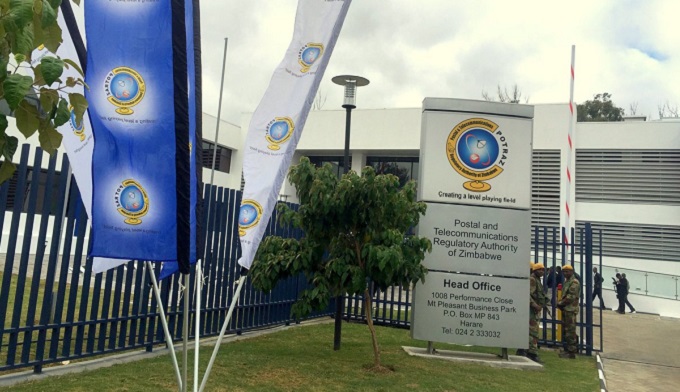
Jacqueline Ntaka, Feature
ZIMBABWE is on an accelerating path towards 5G connectivity, with recent figures from the Postal and Telecommunications Regulatory Authority of Zimbabwe (Potraz) highlighting a significant surge in infrastructure.
The nation now boasts 120 5G base stations, marking an impressive 48 percent increase in just three months. This rapid expansion signals a commitment to embracing the next generation of mobile technology. However, a closer look at the current landscape reveals a more complex picture, with both compelling advantages and notable disadvantages to consider.
The rollout of 5G brings with it the promise of transformative changes for Zimbabwe’s digital future. Firstly, the most immediate and widely recognised benefit is blisteringly fast internet speeds. 5G is designed to deliver significantly higher download and upload speeds compared to its 4G predecessor, potentially allowing for almost instantaneous streaming of high-definition content, rapid file downloads, and a much smoother online experience for both individuals and businesses.
Secondly, 5G offers ultra-low latency, meaning a drastic reduction in the delay between sending and receiving data. This is crucial for applications requiring real-time responsiveness, such as remote surgery, autonomous vehicles, and advanced industrial automation. For Zimbabwe, this could unlock new possibilities in sectors like healthcare, logistics, and manufacturing, driving innovation and efficiency.
Thirdly, 5G provides massively increased network capacity. This means the network can handle a far greater number of connected devices simultaneously without experiencing congestion. In an increasingly connected world, with the rise of smart devices and the Internet of Things (IoT), this enhanced capacity is vital for supporting future technological advancements and maintaining reliable service even in densely populated areas.
Despite the exciting potential, the path to widespread 5G adoption in Zimbabwe is not without its hurdles. The primary disadvantage lies in limited coverage and infrastructure investment. While 5G base stations are growing rapidly, the report highlights that operators are still prioritising the addition of more 4G towers, which is wise. This suggests that 5G coverage remains largely concentrated in urban centres and specific localised areas. For the majority of the population, particularly in rural and peri-urban areas, 4G and even 3G remain the dominant forms of connectivity. Achieving widespread 5G coverage will undoubtedly take a long time — decades, maybe.
This leads to a significant practical disadvantage for consumers: the limited justification for 5G device ownership. The current 5G phone craze in Zimbabwe is, as the Potraz figures suggest, not yet aligned with the reality of widespread network availability. Unless one resides or frequently operates within a currently serviced 5G area, purchasing a 5G-capable device offers little tangible benefit. These devices are often more expensive, representing a significant investment for a technology whose full potential cannot yet be realised across much of the country.
Furthermore, the deployment of 5G infrastructure is costly and resource-intensive. Building the necessary dense network of smaller base stations and upgrading existing infrastructure requires substantial capital expenditure from telecommunications operators. This financial burden can influence the pace and extent of the rollout, particularly in an economy like Zimbabwe’s.
In a nutshell, the current disparity between available infrastructure and the burgeoning interest in 5G devices underscores the need for a pragmatic approach. While the technological leap is exciting, achieving truly widespread and beneficial 5G access for all Zimbabweans will require sustained investment and time, ensuring that the excitement surrounding 5G translates into tangible improvements for the everyday user.
Jacqueline Ntaka is the CEO of Mviyo Technologies, a local tech company that provides custom software development, mobile applications and data analytics solutions. She can be contacted on [email protected]