

 admin
admin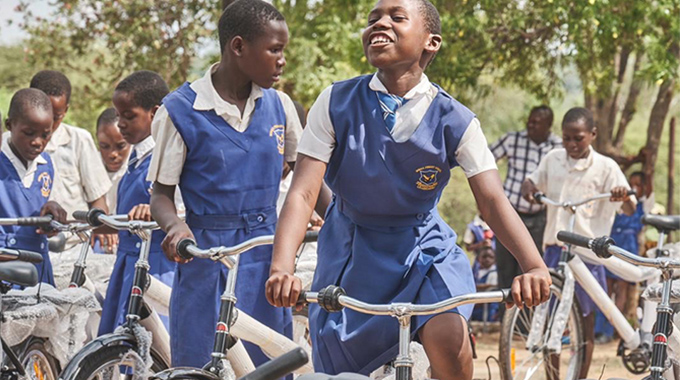
Gibson Mhaka
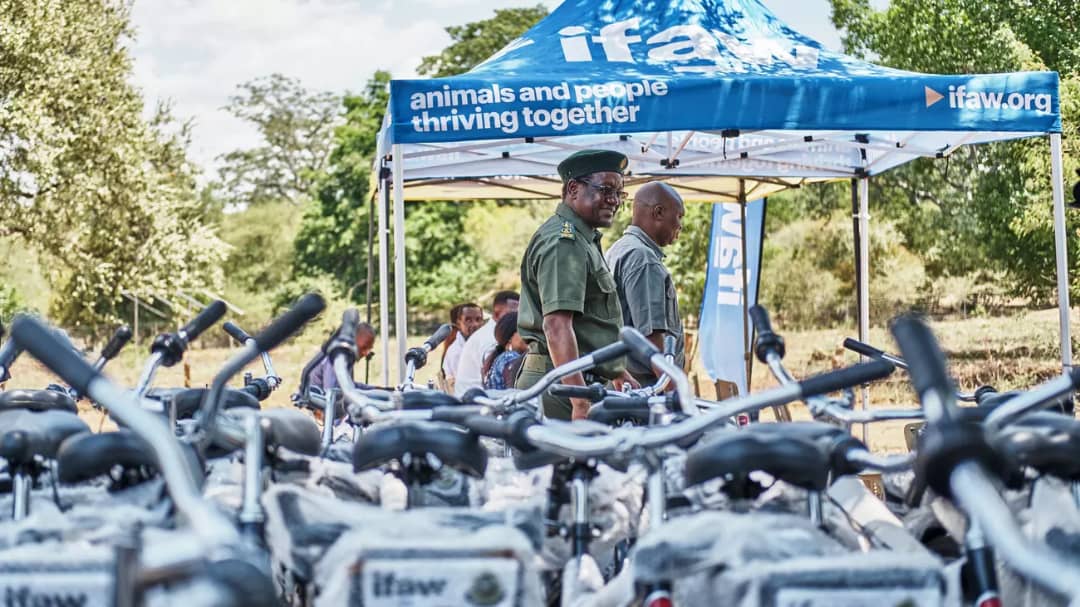
IN a bid to address the dangers posed by human-wildlife encounters, Riding for Conservation and Education, a joint initiative between the International Fund for Animal Welfare (IFAW) and Zimbabwe Parks and Wildlife Management Authority (ZimParks), has donated 100 bicycles to students attending schools in buffer communities around Hwange National Park.
These students walk long distances through wildlife corridors to get to school.
In a recent statement IFAW said the bicycles were being supplied as part of a wider Environmental Stewards Programme (ESP) implemented in these schools.
The programme aims to improve access to education and help mitigate human-wildlife conflict as well as to break the poverty cycle while fostering positive attitudes towards wildlife.
According to IFAW, most students traverse wildlife corridors on their way to and from school, exposing them to the risk of being attacked by elephants, lions, and other wildlife.
To mitigate that risk, 100 bicycles were delivered to less privileged students who walk long distances through wildlife corridors to get to school.
ZimParks Director General Dr Fulton Mangwanya said the initiative was aimed at fostering peaceful coexistence between people and wildlife, while most importantly, leaving a lasting positive influence on the beneficiaries.
“Based on our experience, conservation efforts work better when local communities are actively engaged and when their expectations and desires are not ignored.
“Through this intervention, we hope to create a peaceful coexistence between people and wildlife and, most importantly, make a lasting impact in the lives of these children who will become future conservation champions,” said Dr Mangwanya.
Hwange National Park is part of the Hwange-Matetsi-Zambezi landscape where IFAW implements its Room to Roam initiative, to secure and connect habitats for elephants and other wildlife.
It supports local communities to develop strategies for them to live successfully with wildlife.
IFAW Landscape Conservation Director, Phillip Kuvawoga said education is a powerful tool that can both break the cycle of poverty and cultivate a sense of respect for wildlife.
“Education plays a pivotal role in breaking the poverty cycle and in fostering positive attitudes towards wildlife.
“Children are the wildlife heroes of the future. By investing in their education now we hope to create a better future for communities and the wildlife that live amongst them, one ride at a time,” said Kuvawoga.
To further support the students, IFAW and ZimParks also donated 500 textbooks to 10 schools in Hwange and Tshlolotshlo Districts.
This will directly benefit about 1,600 students and significantly improve the current textbook-to-student ratio, which sits at a challenging 1:5.
Since its launch in 2019, the ESP has been supporting 21 primary schools located in the buffer communities of Hwange, Lupane and Tsholotsho districts.



 Online Reporter