Online Reporter
Judith Phiri, Business Reporter
SCORES of traders operating within Bulawayo’s city centre faced significant disruption last week, as the Zimbabwe Revenue Authority (Zimra) implemented closures of numerous business premises. The action is part of a widespread national initiative targeting the trade in smuggled and counterfeit merchandise.
The blitz, conducted as part of a multi-agency operation, aims to curtail smuggling and unethical business practices, fostering fair competition and safeguarding local industries and consumers. It forms a key component of the Government’s broader strategy to revitalise the economy by ensuring adherence to import regulations and encouraging the consumption of locally produced goods.
In recent months, several outlets — such as Haddon and Sly, Amaya Mall, Unity Village Flea Market and Mutize and Sons Flea Market — have been targeted under this operation. Following compliance with the stipulated requirements, these outlets were allowed to resume operations.
The latest round of inspections saw Zimra raid numerous city shops, many of which specialise in selling low-cost imports from China. Operating with minimal regulatory oversight, these establishments have proliferated across Bulawayo, contributing to the growing wave of illicit trade.
Speaking at the Doing Business in Matabeleland breakfast meeting in Bulawayo on Thursday, Industry and Commerce Minister Mangaliso Ndlovu emphasised the necessity of the blitz to protect domestic manufacturers.
“The Government is resolutely committed to intensifying the fight against smuggling and business malpractices. This is done to protect our vital local industries, create a level playing field for fair competition and ensure consumer protection,” said Minister Ndlovu.
Highlighting the progress made by the taskforce on smuggling and business malpractices, set up last year, the Minister shared statistics demonstrating its impact.
The taskforce has conducted 1 907 inspections, secured 137 prosecutions, issued 247 compliance notices and seized 3 987 units of products to date.
Minister Ndlovu also stressed that smuggled and counterfeit goods pose significant health risks to consumers while undermining formal businesses. He urged operators to comply with the law to avoid penalties.
In November last year, the Cabinet approved an inter-ministerial task force on smuggling to combat the issue, with a focus on protecting local industries and fostering fair competition. This taskforce includes agencies such as Zimra, the Zimbabwe Republic Police, the Reserve Bank of Zimbabwe (RBZ) and the Consumer Protection Commission (CPC).
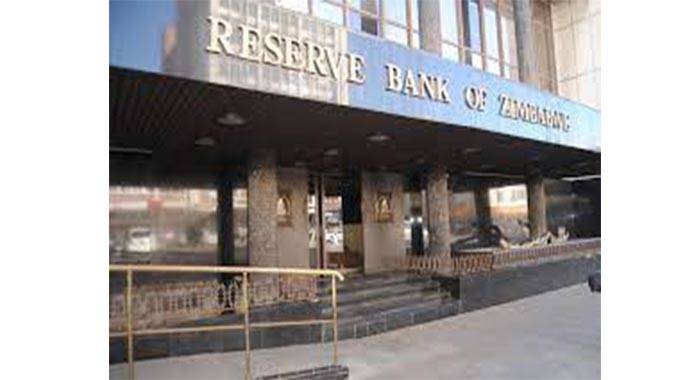
The taskforce’s mandate extends to conducting inspections, prosecuting offenders and issuing compliance notices to curb smuggling and unethical trade practices, ultimately bolstering the market for locally produced goods.
Zimra’s head of marketing and corporate affairs, Mr Francis Chimanda, noted that safeguarding national revenue through post-clearance audits is one of the authority’s core responsibilities.
“These audits are conducted as needed, particularly when non-compliance issues are identified,” said Mr Chimanda.
He stressed that all importers must ensure customs duties are fully paid and maintain adequate, verifiable records. Goods without proof of clearance are subject to detention pending verification, and any suspicion of improper clearance can lead to seizure under the Customs and Excise Act.
Mr Chimanda clarified that the national blitz is intelligence-driven rather than targeting specific areas. On border control measures, he cited the use of drones, checkpoints, and patrols to monitor undesignated entry points, with operations also focused on locations where contraband goods, such as second-hand clothing, are stored or sold.
The impact of smuggled goods on local businesses was highlighted by Bulawayo Chamber of SMEs vice-chairperson, Ms Sithabile Bhebhe, who explained how these goods are driving small manufacturers out of business.
“We have SMEs that are into manufacturing and producing most products locally, but these are slowly dying because of the cheap smuggled and counterfeit products that we are seeing on the market,” she lamented.
Ms Bhebhe noted that some SMEs are forced to lower their prices to compete, often incurring substantial losses as a result. Smuggled goods, including cooking oil, peanut butter, beverages, pharmaceuticals, detergents, toothpaste and rice, have flooded the market.
Zimbabwe National Chamber of Commerce (ZNCC) Matabeleland regional manager, Mr Mduduzi Ncube, welcomed the efforts of the inter-ministerial taskforce. He pointed out the widespread nature of errant business practices.
“We are witnessing business malpractices such as currency manipulation, use of fraudulent scales, underweight and unlabelled goods and counterfeit and smuggled products in Bulawayo and across the country. These have significant effects on both businesses and the economy,” remarked Mr Ncube.
He advocated for intensified consumer education campaigns to raise awareness about the dangers of counterfeit goods and restore trust in authentic, locally produced items.