

 daniel chigunwe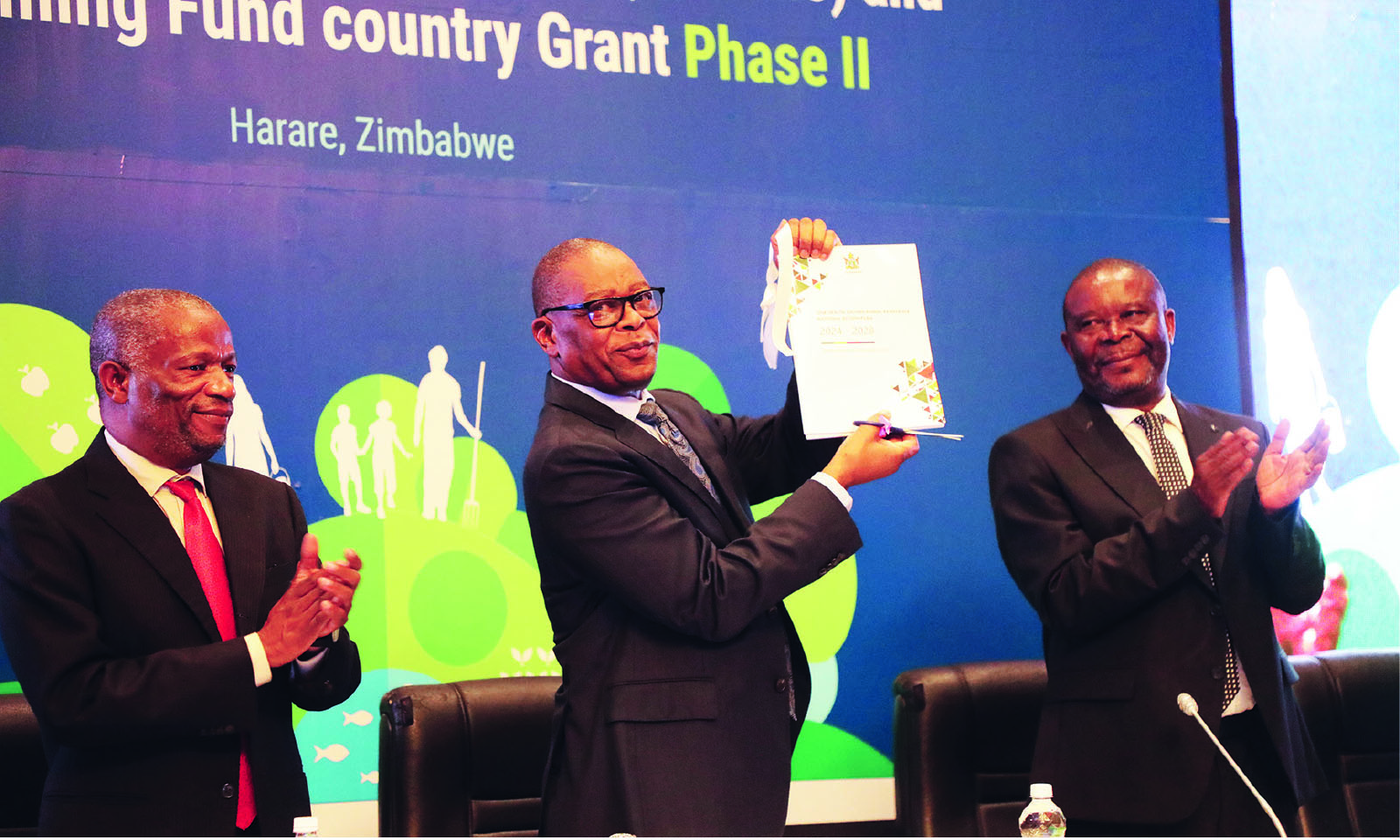
Rumbidzayi Zinyuke
Senior Health Reporter
Zimbabwe has launched an aggressive fight against antimicrobial resistance (AMR), a hidden yet lethal crisis that has already claimed thousands of lives.
In 2019 alone, more than 15 000 people succumbed to drug-resistant infections, highlighting the urgent need for action.
Yesterday, the Government and its partners launched the second National Action Plan for AMR (2024-2028), setting the tone for the country to address the growing threat of AMR through a comprehensive “One Health” approach.
The “One Health” approach recognises the interconnectedness of human, animal, and environmental health.
With support from the UK government, through the Fleming Fund phase 2 that has committed £2,5 million, Zimbabwe will expand surveillance, strengthen regulations, and promote responsible use of antimicrobials in healthcare and agriculture.
Speaking at the launch, Health and Child Care Minister Dr Douglas Mombeshora said if unchecked, AMR could cost Zimbabwe up to 7 percent of its Gross Domestic Product by 2050.
“If we don’t act now, the cost will be devastating—not just in lives lost but in livelihoods destroyed, families torn apart, and opportunities missed,” he said.
“AMR doesn’t respect borders; it doesn’t care about wealth or privilege. It threatens us all. It’s fuelled by the misuse of antimicrobials in healthcare, on our farms, and even in our environment.
“If we do nothing, by 2050, this crisis could claim 10 million lives annually and cut global GDP by trillions. Here at home, the stakes are high, not to mention the strain it will place on our healthcare system and our farmers. But this is not a time for despair; it’s a time for action.”
The first National Action Plan, which ran from 2017 to 2022, supported the provision of essential medicines and services in health and animal institutions as well as the introduction of AMR modules in nursing curricula, among many other activities.
Dr Mombesora said the new plan was built on five pillars that would guide the national response to AMR.
These included raising awareness, strengthening surveillance systems, promoting prevention practices, optimising antimicrobial use and fostering research and innovation.
“The 2024-2028 National Action Plan is bolder, smarter, and more inclusive. It adopts the ‘One Health’ approach, which recognises that human, animal, and environmental health are deeply connected.
“This plan is about bringing everyone to the table—healthcare workers, farmers, scientists, and policymakers—to tackle AMR together,” he said.
Dr Mombesora said the Government would ensure the successful implementation of the plan through the provision of human and financial resources to supply essential medicines and consumables for the populace and animals.
The Fleming Fund Grant II aims to address gaps in surveillance and the use of data generated for policy-making.
“As Zimbabwe, we are grateful to our development partners who have been providing technical and financial support to the implementation of activities to mitigate AMR.
“Fellow Zimbabweans, this is our moment to rise to the occasion. Let us commit to this plan, not just in words but in action. Let us show the world what Zimbabwe can achieve when we come together with purpose and resolve,” said Dr Mombeshora.
Lands, Agriculture, Fisheries, Water and Rural Development Minister, Dr Anxious Masuka, who was represented by the Chief Director Veterinary Department, Dr Pious Makaya, said the launch of the second Plan was a pivotal moment in the collective fight against AMR.
“Over the past five years, we have made strides in improving our surveillance systems, building laboratory capacity, and strengthening the overall one-world effort.
“As we launch the NAP 2, we move forward with renewed energy and purpose. We build on the lessons learned and the challenges faced during the first phase, and we invest in the new opportunities and collaborations that are emerging,” he said.
Dr Mombeshora commended the collaborative approach used in the fight against AMR.
Minister of Environment, Climate and Wildlife Dr Sithembiso Nyoni, who was represented by deputy director in the Ministry, Mr Abu Matiza, recognised the critical role the environment plays in the maintenance and strength of AMRs.
“Antimicrobial residues in our ecosystems stemming from various sources can contribute significantly to the development of resistance.
“The environment is a reservoir of antimicrobial-resistant microbes and pathogens. Ensuring this reservoir does not sieve or pass on these microbes is critical in guaranteeing the success of environmental solutions in addressing the antimicrobial resistance threat,” she said.
Food and Agriculture Organisation sub-regional coordinator for southern Africa and representative for Zimbabwe, Eswatini and Lesotho Dr Pratrice Talla said the integration of AMR into agri-food policies was crucial to ensuring that antimicrobial use in livestock, aquaculture and crop production was both responsible and sustainable.
“Zimbabwe’s livestock sector plays a vital role in the national economy and rural livelihoods, with a significant proportion of rural households keeping poultry, which serves as a safety net for food security and income generation.
“However, the misuse and overuse of antimicrobials in poultry and livestock farming can accelerate the spread of resistant pathogens, threatening both animal and human health,” he said.



 Online Reporter