admin
admin
between 2009 and last year. According to the United Nations Development Programme Human Development Report 2011 launched in Harare yesterday, Zimbabwe’s HDI value for last year stood at 0,376 up from 0,349 in 2009.
Zimbabwe is ranked 173 out of 187.
This compares favourably with developments in Sub-Saharan Africa. Speaking at the launch of the report, “Sustainability and Equity: A Better Future for All”, United Nations resident co-ordinator Mr Alain Noudehou noted Zimbabwe’s rebounding HDI performance.
“It is reassuring to note that (Zimbabwe’s) per capita income started to recover in 2011. With performance in education consistently improving over the years, Zimbabwe’s overall HDI performance, though still low, is indeed on the rebound,” he said.
The report also reflects that Zimbabwe has fared slightly better than most countries in the Sub-Saharan African region in terms of inequality issues.
Last year, the Human Development Report introduced the “inequality-adjusted HDI”, which discounts each dimension of the index according to its level of inequality and Zimbabwe’s value is discounted its HDI falls by 28,7 percent compared with the average loss due to inequality for Sub-Saharan Africa of 34,5 percent.
The Government has taken a number of initiatives to ensure that economic growth translates to improvement in human development, including pro-poor budgeting and implementation of the Medium Term Plan, which is structured in terms of the Millennium Development Goals.
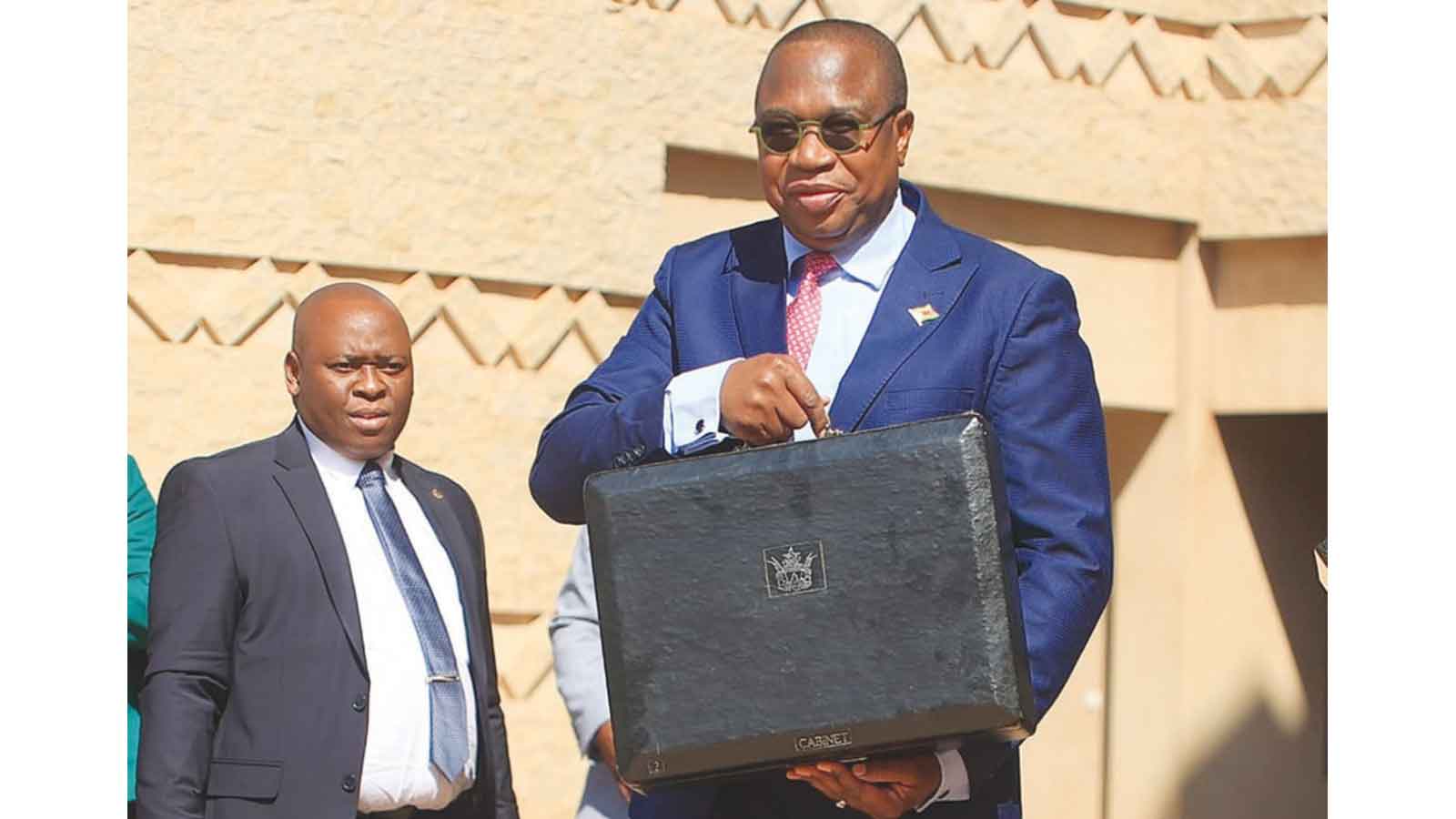
Officiating at the launch, Minister of Finance Tendai Biti said the country still had a long way to go to achieve effective human development.
“We have to go beyond macro-economic stability but more towards a paradigm that focuses on human development,” he said.
Minister Biti noted the example of mismatch between the growth of diamond mining operations in Chiadzwa and the state of livelihoods of people in surrounding communities.
“I was in Chiadzwa last week and I was impressed by the extensive mining projects going on in that area, but they mean nothing to the people of Bocha because it is not translating into material benefit for them. The road to these huge mining operations is not even tarred,” he said.
Labour and Economic Development Research Institute of Zimbabwe director Dr Godfrey Kanyenze said the country’s low ranking called for more concerted action.
“Although the 173rd ranking might not be agreeable with all of us, I think the key discourse emerging out of this report is that greater action is needed to move out of this uncomfortable position,” he said.
Calculated since 1990 by the United Nations Development Programme, the Human Development Index quantifies a country’s development in terms of such things as education, length of life and clean water, as well as income.


 Online Reporter