


 Online Reporter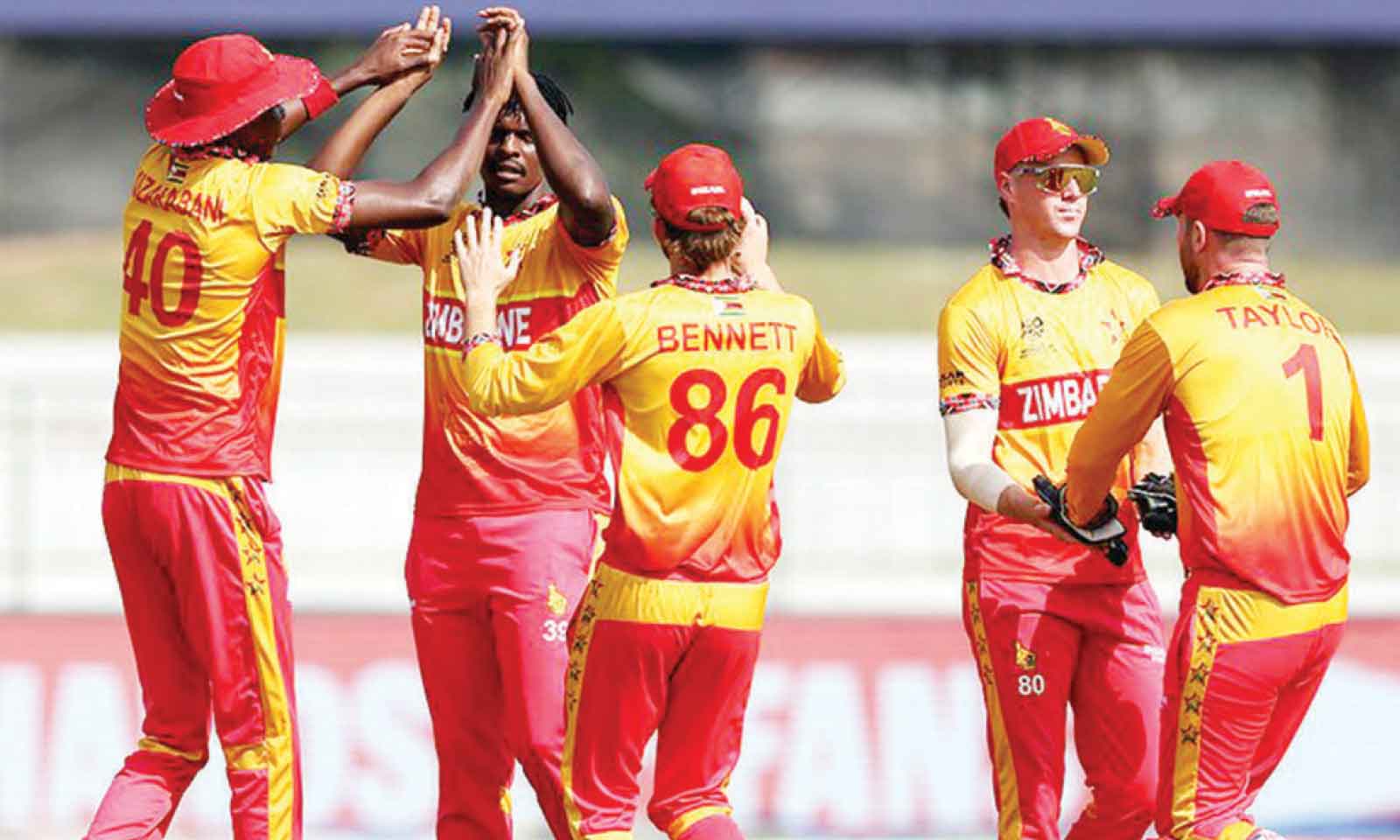
Prosper Tsvanhu
IN the humid air of Colombo, a match that promised a lot for the underdog instead became a testament to the discipline of the Chevrons on their return to the big stage.
Zimbabwe, a side too often defined by the tragedy of their own inconsistency, found in the Sinhalese Sports Club a surface that spoke their language.
It was a day where the seamers found their length and the fielders found their hands, ensuring Oman’s recent warm-up victory remained a mere footnote rather than a prophecy.
The Art of the Squeeze
Winning the toss is an underrated virtue, but it requires a captain with the wit to use it.
Sikandar Raza, a man who carries the hopes of a nation on shoulders that never seem to tire, marshalled his troops with the precision of a chess master.
The wicket offered a steep, disconcerting bounce, the kind that makes a batsman feel his mortality.
Under the watchful, paternal eye of Courtney Walsh, the bowling consultant whose legendary Caribbean pedigree has instilled a new, snorting aggression, Zimbabwe’s pace battery did not miss their mark.
Walsh has demanded his charges hit the deck hard.
And, they responded in kind.
Blessing Muzarabani (3 for 16) was the wrecker-in-chief, but he was ably supported by the left-arm angle of Richard Ngarava (3 for 17) and the relentless persistence of Brad Evans (3 for 18).
Together, they extracted a life from the clay that left Oman’s top order groping at shadows, reduced to a reeling 27 for 5. Behind them, the fielding was not merely competent; it was inspired.
Brian Bennett’s catch to dismiss the final man was a moment of pure, unadulterated athleticism, a dive that seemed to defy the heavy afternoon air.
To restrict a side to 103 in this format is to drain the hope from the contest before the tea is poured.
Efficiency in the Chase
The pursuit was business-like, stripped of the histrionics that often plague Zimbabwean cricket.
Tadiwanashe Marumani provided the initial spark, a flurry of boundaries that suggested a quick finish.
When two wickets fell in a heartbeat, a familiar jitter threatened to descend.
Yet, it was the youth of Bennett and the seasoned calm of Brendan Taylor that steadied the ship.
Bennett, a youngster playing with the poise of an old hand, moved past the milestone into fifth place among Zimbabwe’s all-time T20 run-scorers.
It is a remarkable feat for one so young, a sign of a changing of the guard that is both necessary and welcome.
However, a shadow looms over the celebration.
Taylor, the heartbeat of this batting lineup, was seen grimacing and limping during the final stages of the chase.
He finished his contribution with 31 before being forced to retire hurt, his gait labored and his participation in the coming battles now subject to the cold clinical verdict of a scan.
Zimbabwe can ill-afford to lose their elder statesman just as the engine is beginning to hum.
The Path Ahead
Zimbabwe have taken the first step, but the road to the Super Eights is paved with more formidable obstacles.
The schedule now demands a steep rise in intensity, beginning with a Friday encounter against Australia at the R. Premadasa Stadium.
It will be the ultimate litmus test of Walsh’s bowling blueprints, a chance to see if this new-found aggression can ruffle the feathers of the world’s elite.
From there, the caravan moves to the cooler climes of Kandy on February 17 to face Ireland, a fixture that traditionally carries the weight of a knockout match for these two rivals.
The group stage concludes back in Colombo against the co-hosts, Sri Lanka, on February 19.
To progress, Zimbabwe must maintain this fielding standard and hope Taylor’s injury is a mere twinge rather than a tear.
The seamers have shown they can extract life from these tracks; now the batsmen must show they can withstand the heat without their premier anchor.
One win is a start; three would be a statement.
Prosper Tsvanhu is a former Zimbabwe cricketer and writes exclusively for H-Metro.




 Bongani Ndlovu