Online Reporter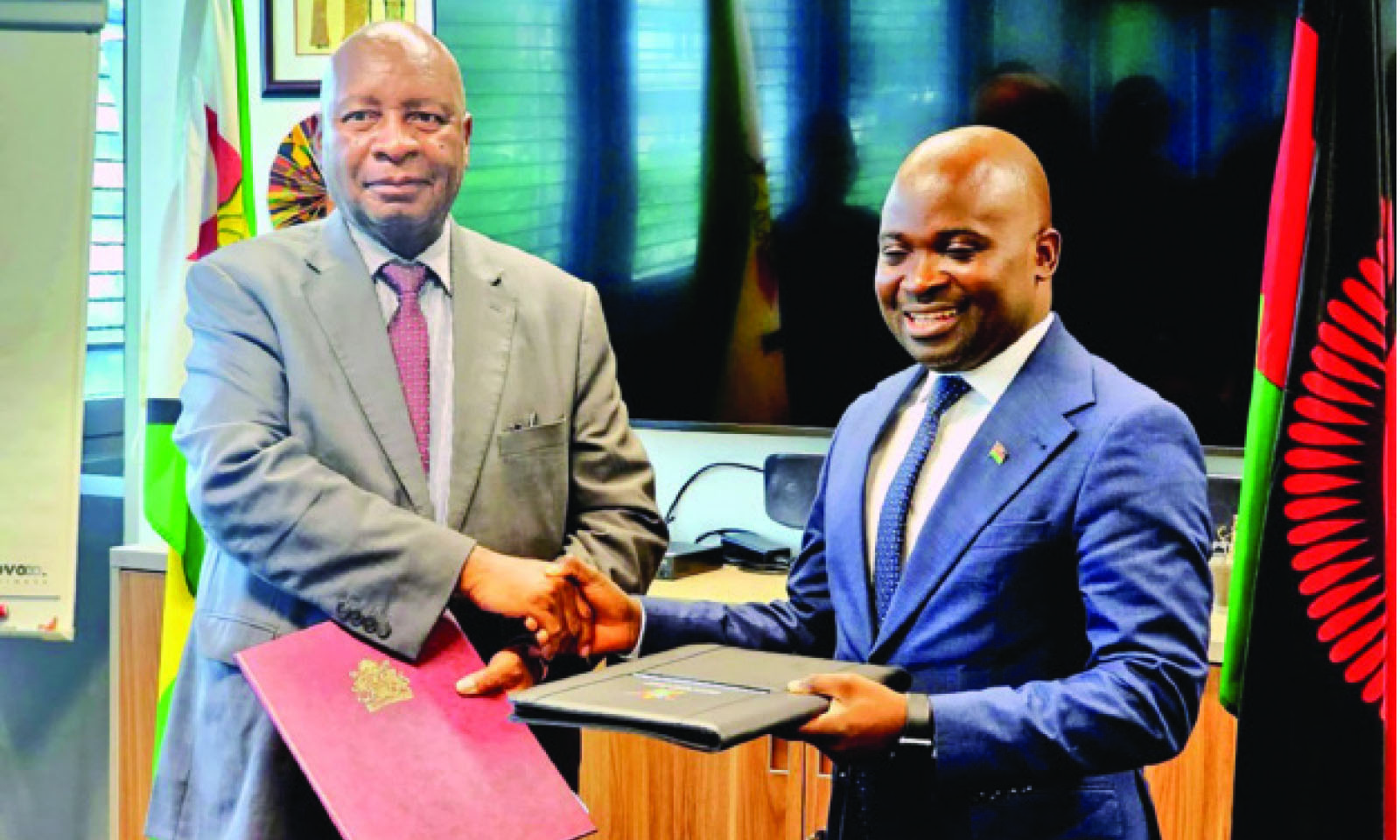
Theseus Shambare
MALAWI is set to learn from Zimbabwe’s advancements in social security, with these strides poised to become a guiding light for Lilongwe’s own system development.
The two Southern African nations yesterday cemented a historic Memorandum of Understanding (MoU) on Labour and Employment Cooperation in Geneva, Switzerland.
The landmark agreement underscores a shared commitment to safeguarding workers’ rights, enhancing employment opportunities, and ensuring the dignity of migrant workers.
This latter point is particularly pertinent given Zimbabwe’s ongoing national drive to improve conditions for its citizens working abroad and foreigners residing within its borders.
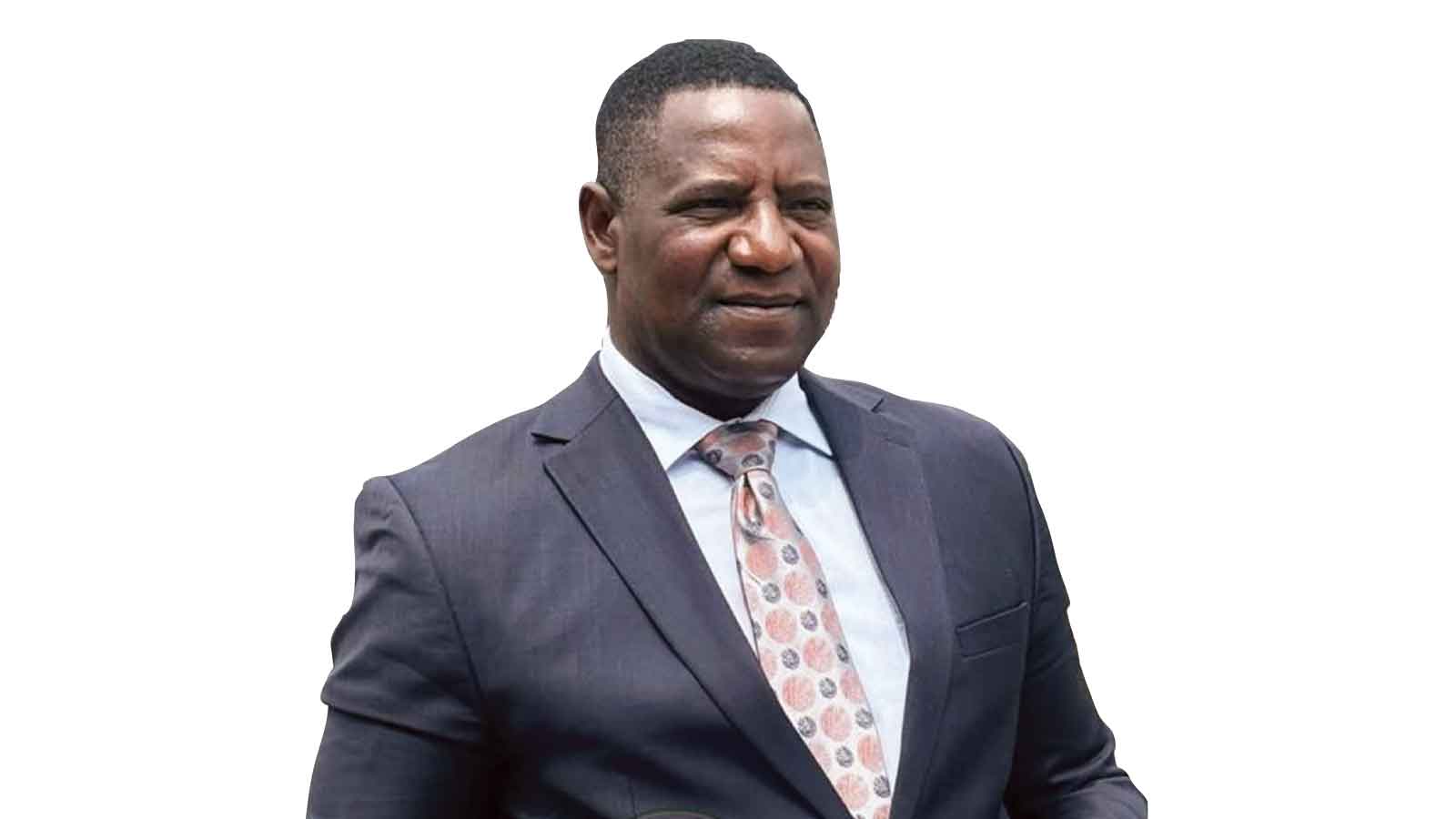
Malawi’s Labour Minister Peter Dimba lauded Zimbabwe’s progress during the signing ceremony.
“As Malawi continues to develop its own social security system, including the Workers’ Compensation Fund, we look forward to learning from Zimbabwe’s experience. This collaboration will greatly accelerate our national efforts to build effective, sustainable systems that protect workers when they are most vulnerable,” said Minister Dimba.
The MoU formalises a long-standing, deeply intertwined relationship between the two countries, shaped by generations of Malawians who have sought employment in Zimbabwe’s agricultural and mining sectors.
Added Minister Dimba: “It is an undeniable fact that Malawi and Zimbabwe are more than neighbours. We are bound by history, culture, and the lived experiences of our people.”
Public Service, Labour and Social Welfare Minister Edgar Moyo highlighted the significance of formalising these ties.
“Labour migration between Zimbabwe and Malawi has been a reality for generations, shaping our economies and societies in profound ways. Yet, despite this long-standing connection, a formalised framework to govern, protect, and enhance this relationship has been absent. Today, we correct that, ensuring that workers from both our nations are safeguarded, fairly treated, and supported in their pursuit of prosperity,” said Minister Moyo.
A key focus of the MoU is to address the long-standing challenges faced by former Malawian mining and agricultural workers in Zimbabwe, particularly regarding access to their pensions and other benefits.
Minister Dimba underscored the humanitarian aspect: “Through this MoU, we are creating a direct pathway to resolve these issues. This is not just a matter of administrative efficiency; it is a question of dignity and a moral obligation to those who gave their labour in service of development,” he said.
The agreement outlines several crucial areas of cooperation, including labour dispute resolution, labour law reform, social security, employment services, and labour migration.
The nations committed to exchanging technical expertise, undertaking joint projects, and facilitating study tours and training seminars.
This aligns perfectly with Zimbabwe’s continued efforts to refine its policies and frameworks for migrant worker welfare, including fair treatment, access to services, and the efficient repatriation of benefits.
Zimbabwe’s proactive engagement in labour cooperation extends beyond Malawi, as evidenced by a similar agreement signed with Rwanda.
This bilateral MoU, inked in December 2021, culminated in a significant labour exchange that saw hundreds of Zimbabwean professional teachers deployed to Kigali to bolster Rwanda’s education sector.
The initiative, driven by Rwanda’s need for qualified educators, showcased Zimbabwe’s capacity to export skilled human capital while also ensuring fair treatment and decent work principles for its citizens abroad.