Online Reporter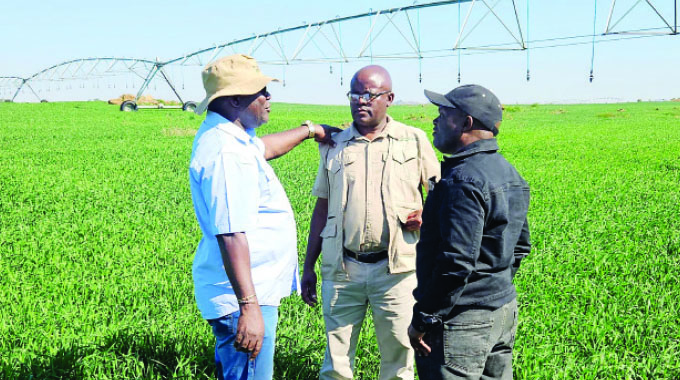
Edgar Vhera
The national average dam level stands at 82,7 percent, indicating a healthy water storage capacity sufficient to meet the demands of the winter cropping season.
There has been an increase from the same period last year, when the national average stood at 68,4 percent.
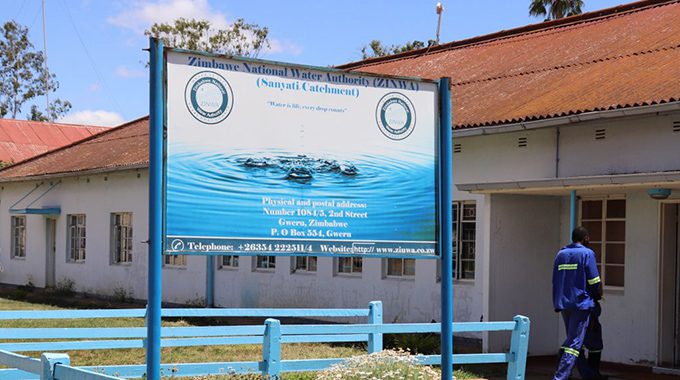
In its winter cropping mid-season update, the Zimbabwe National Water Authority (Zinwa) assured winter and early summer crop farmers of enough water to ensure the success of their crop production ventures.
Zinwa, head of corporate communications and marketing, Mrs Marjorie Munyonga, said dams supplying raw water to major urban centres, small towns, growth points and rural service centres had enough stocks to meet domestic water requirements.
The authority said the dams also had enough water to meet the irrigation requirements for other irrigated crops such as sugarcane, citrus and other horticulture crops.
This year, the Government set a winter target of 120 000 hectares of wheat, 6 500ha for barley and 9 750ha targeted for production of table potatoes.
This season, farmers planted 121 449ha under wheat and over 600 000 tonnes is expected subject to adherence to good agronomic practices.
For the smooth implementation of the winter irrigation programme, Zinwa has been working closely with farmer organisations to ensure that irrigating farmers sign water abstraction agreements as required by the law and for sustainable allocation and utilisation of the available water resources.
Through these engagements and interactions, Zinwa and representatives of farmer organisations have managed to resolve some critical issues meant to enhance productivity and improve farmers’ access to water and those related to metering of raw water, acceptable crop water requirements and partnerships around the repair and maintenance of water infrastructure.
Zinwa this year, implemented the seasonal billing mechanism, allowing farmers access to water for their winter cropping requirements and with payment only effected upon receipt of produce payment at marketing time.
The country’s production of wheat has been above the self-sufficiency level with a total production of over 375 000 tonnes in 2022, rising to 467 905 in 2023 and 563 961 last year.
Surplus production rose from over 5 000 tonnes in 2022 to the current 203 961.
The average wheat yield has increased by 31 percent from 3,61 tonnes per hectare in 2017 to 4,72 last year.
Wheat is the second most important strategic food security crop in the country after maize and is primarily used as human food in the form of bread, pasta products, breakfast cereals, cake and many others.
The crop is also an active contributor to the country’s gross domestic product (GDP).
Over the years, demand for wheat has been rising due to population growth,
urbanisation and changes in consumer tastes and preferences, thereby outstripping supply.
Wheat imports involve spending foreign currency, hence the Government’s call for farmers to increase production as a healthy means of import substitution.
The geopolitical developments in Eastern Europe came as a blessing in disguise, as the country increased production and achieved self-sufficiency.
The country has also achieved 100 percent of its table potato requirements from local production and broke the tobacco production record in the ongoing tobacco marketing season.