Online Reporter
Lovemore Dube, Zimpapers Sports Hub
WHITE City Stadium roared with energy, but it wasn’t just the competition that stole the show, it was the celebration of inclusivity that electrified this year’s Zitisu Games, setting a new benchmark for disability representation in Zimbabwean tertiary sport.
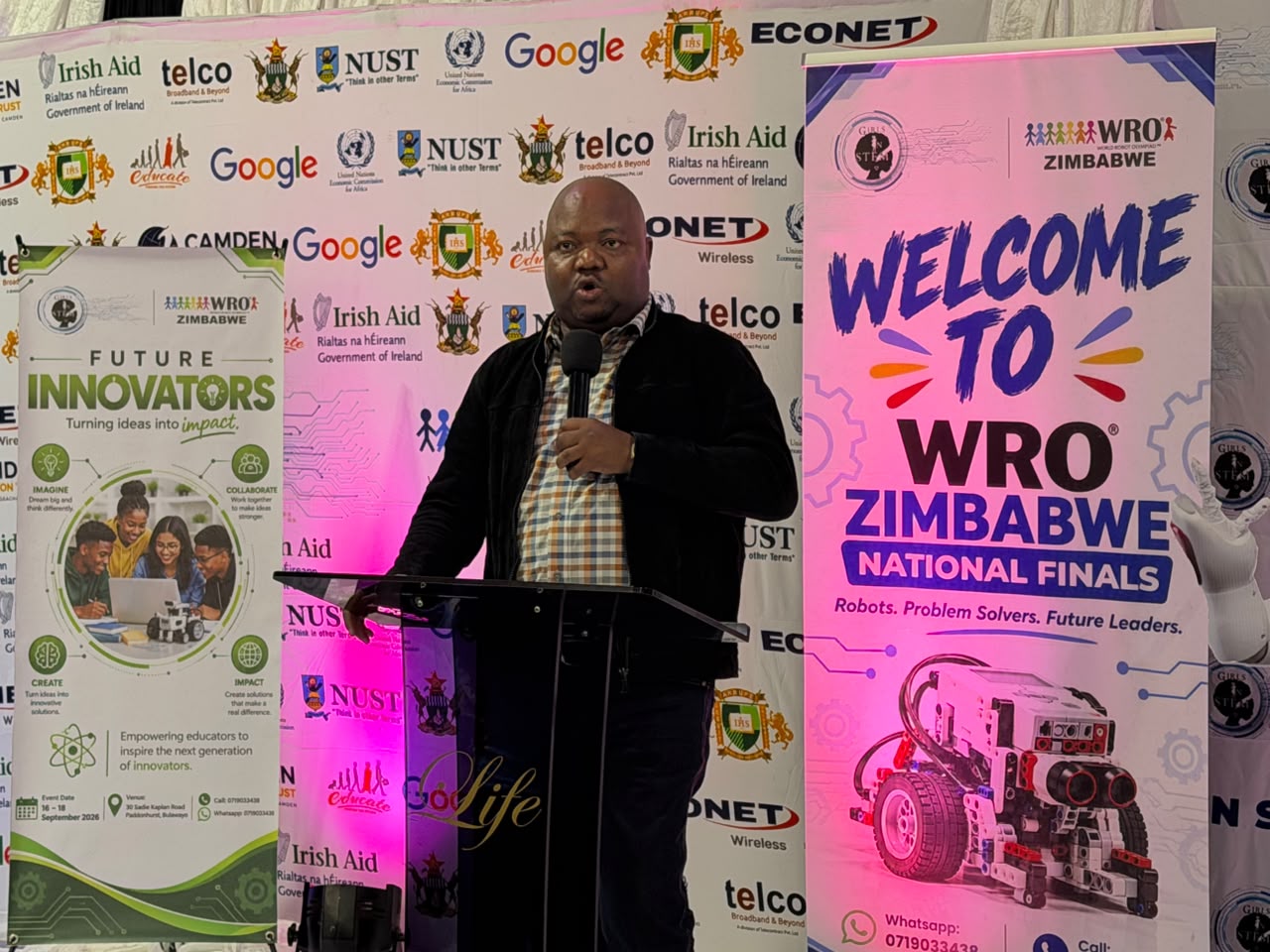
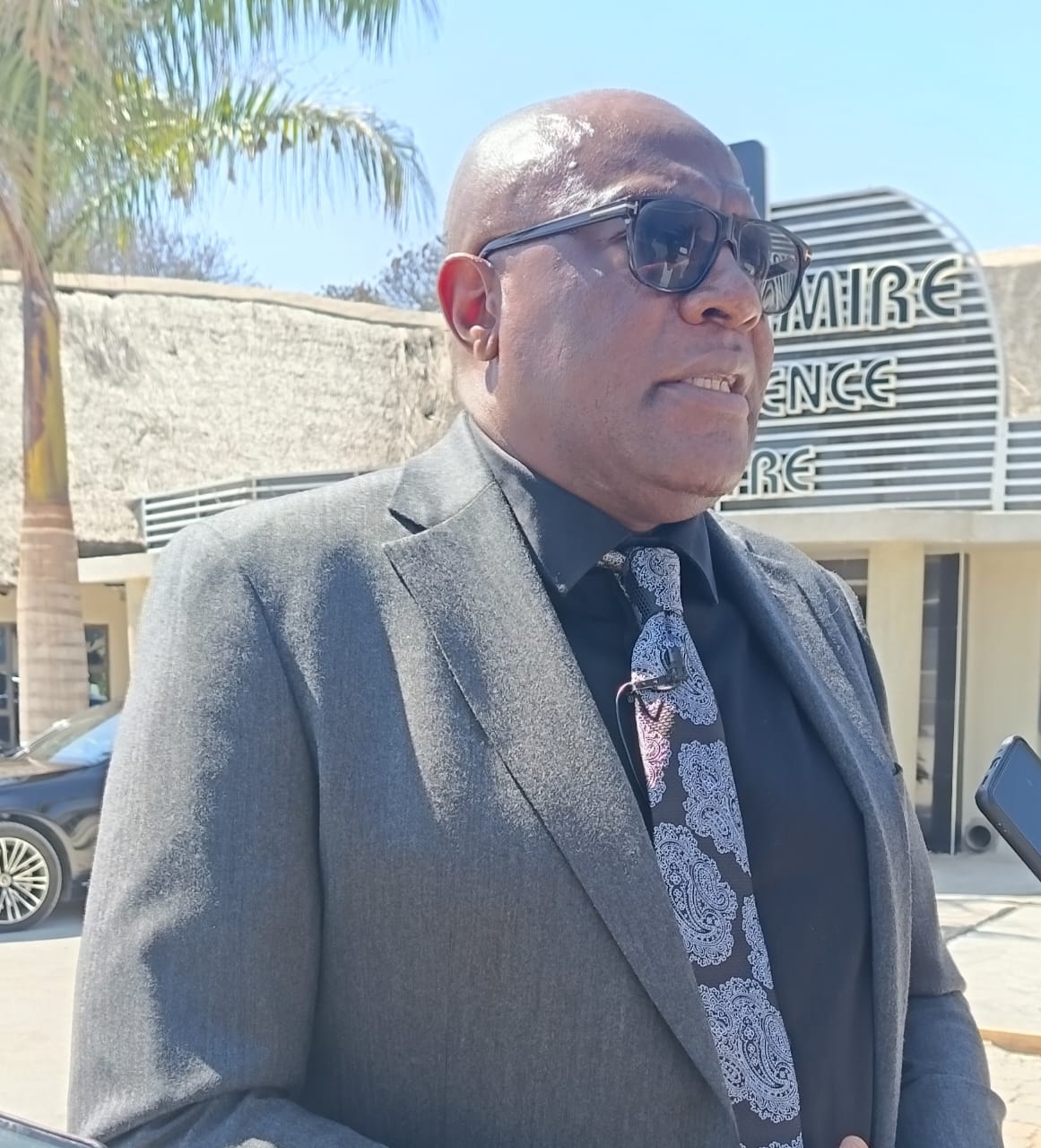
Edward Chekure, president of the Zimbabwe Tertiary Institutions Sports Union (Zitisu), is thrilled by the growing number of athletes with disabilities participating in their annual championships. The 2025 edition of the Carling Black Label Zitisu Games, hosted in Bulawayo, has drawn competitors from universities, technical colleges, and teacher training institutions across Zimbabwe.
The event, which began on Tuesday and concludes this Friday, has been marked by spirited performances and inspiring moments, especially from students with disabilities.
Speaking Thursday evening at the athletics awards ceremony held at the National University of Science and Technology, Chekure lauded both the level of competition and the inclusive spirit of the Games.
“These have been incredible athletics championships for our students and institutions,” he said.
“The events were fiercely contested in a professional, competitive spirit, with excellent technical support from the athletics boards.”
Chekure was especially pleased with the rise in participation from students with disabilities.
“Sport is about wellness, social cohesion, and striving for podium-level performances. It’s also a platform for talent scouting, where athletes can be identified to represent Zimbabwe at major tournaments. Inclusivity is not a favour, it’s a necessity. We must never leave anyone behind; our peers with disabilities are just as capable.”
He emphasised Zitisu’s commitment to raising standards so their athletes can eventually qualify for elite global competitions, drawing comparisons to the U US-based NCAA, which has produced Olympians, including Zimbabwe’s own standout 200m runners, Makanakaishe Charamba and Tapiwanashe Makarawu.
The track and field results echoed Chekure’s optimism.
In the high jump, Wellington Zingwe of the tertiary institutions team soared to 2,08m, one of the best jumps ever recorded in Bulawayo. He was followed by university athlete Benson Mangombe with a solid 2.00m effort.
The men’s 10,000m thrilled spectators with a nail-biting finish. Francis Chatumangwe (tertiary colleges) edged out Pritchard Chuma (universities), clocking 34:13.41 against Chuma’s 34:16.75. Tinavoishe of the teacher’s colleges secured bronze in 34:32.64.
In the women’s 200m, Rutendo Vushe clinched gold for the universities with 25,14 seconds. Anne Moyo, representing teacher training colleges, delighted fans with a silver winning 25,84 seconds. Bronze went to Elizabeth Msipa (universities), who clocked 27,84 seconds, showing promising talent ready to flourish with enhanced coaching and conditioning.
Daniel Magoso turned heads in the men’s 200m, blazing through in 21,06 seconds, a performance Chekure said deserved attention from the National Athletics Association of Zimbabwe.
Athletes with disabilities also delivered standout performances. Calvin Chiota triumphed in the T11 200m category for athletes with near total visual impairment, finishing in 28,59 seconds. Tapelo Nyathi (teacher trainee) came second with 29,65 seconds, and Trevor Mbire (also universities) claimed third in 33,00 seconds.
The Games wrap up today with final awards for outstanding individuals and teams, but the biggest win of all may be the message sent across campuses and stadiums: Zimbabwean sport is racing toward true inclusion.