admin
admin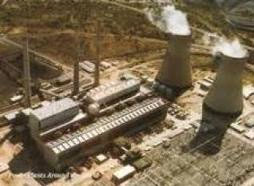
funding the expansion of Hwange and Kariba South power stations.
ZPC would like to add two units at each of the power stations, which will result in an additional 900 megawatts being supplied to the national grid. The two stations currently produce an average of 1 200MW.
In a statement issued this week, the State Procurement Board said parties willing to fund the construction of the two projects should start submitting their bids.
“ZPC is currently working towards increasing its generation output at Hwange and Kariba power stations to meet the current and projected national electricity demand by adding two new units at each of the power stations,” said State Procurement Board in a statement.
“ZPC is therefore inviting expressions of interest from suitably qualified contractors of financiers for financing design, construction and commissioning of Hwange Power Station Unit 7 and 8 and Kariba South Power Station Extension Unit 7 and 8 projects.”
The submission of tenders would be closed on August 16 this year.
The previous studies done by the power utility indicated that at least US$1 billion was needed to ramp up power generations at the two stations.
However, Zesa spokesperson Mr Fullard Gwasira said in an interview yesterday that the figures from previous studies would be reviewed.
Zimbabwe is facing power shortages, a development that has crippled various economic sectors such as manufacturing and mining.
The power utility has been failing to meet demand due to underperformance of its major power stations, particularly Hwange Thermal.
In the Medium Term Plan, Government has projected to increase power generation capacity from the current 1 200MW to 2 800MW by 2015.
Adequate power is at the centre of issues deemed key to the country’s quest for sustainable economic recovery, growth and development.
Government is seeking to restore power output at Hwange to installed capacity, lease small thermals and ensure use of prepaid meters by 2012 and effect demand side management to save 300MW by 2013.
Undercapitalisation of Zesa and inadequate specialised skills and tools for planning and forecasting energy needs were also singled out as obstacles to efforts aimed at boosting power output levels. The plan will also work on addressing regulatory and legal issues seen as detrimental to efforts targeted at ameliorating the national power shortage.


 Online Reporter