Online Reporter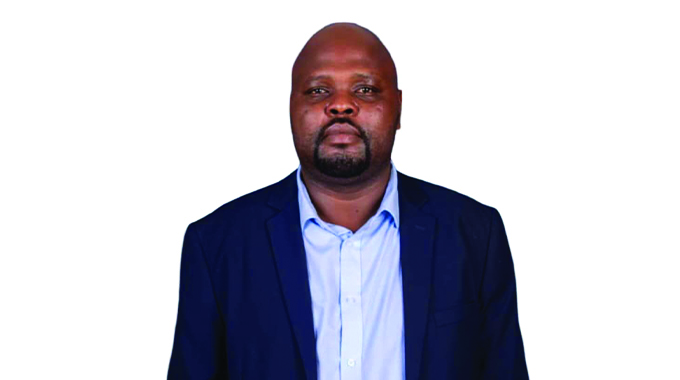
Thupeyo Muleya,Beitbridge Bureau
ZIMPAPERS veteran journalist and re-elected Zimbabwe Union of Journalists (ZUJ) president, George Maponga, has laid out an ambitious five-year plan to address the challenges facing journalists in the country.
The plan includes, among other things, enhancing journalism standards, promoting media freedom, and improving the welfare of journalists.In an interview soon after his recent election for the second time in Harare, he expressed gratitude to fellow journalists for seeing through a peaceful voting process.
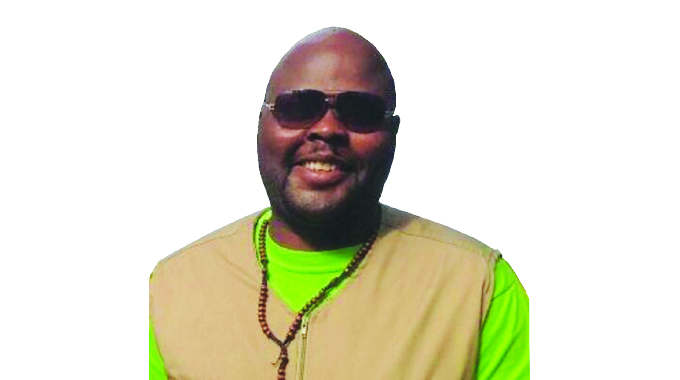
Maponga highlighted the union’s commitment to improving the welfare of journalists, particularly in areas of salaries and working conditions.“The congress was a milestone and a landmark event in the sense that it speaks to our constitutional obligations and the commitment by ZUJ to adhere to the constitution,” he said.
“We also used the congress to adopt a new constitution with a new lean executive from 18 to seven members.“It’s the thinking within ZUJ and the entire executive that a lean executive will be efficient and will add traction to renew, revive and reinvigorate our union.
“I hope the lean executive will culminate in swift and fluent decision making, which is a cornerstone of a successful implementation that we desire in the union.
”Maponga said the journalism industry continues to have a number of challenges, some of them including poor salaries and poor working conditions.
He emphasized the need for a National Employment Council (NEC) for the media industry to standardize salaries and working conditions.Maponga said the new media policy launched by President Mnangagwa sometime this year highlights the importance of creating NEC for the media industry.”
We are seized with the issue of salaries and working conditions for our members,” he stated.”We are calling on the Government to move into action and create this long-overdue NEC.”The ZUJ president also revealed plans to engage with the Ministry of Information, Publicity and Broadcasting Service to expedite the creation of the NEC.
He said his executive hopes to work closely with the Government to address the issue of poor salaries, which in some instances is breeding unprofessionalism and the “brown envelope syndrome” within the media industry.Maponga president also stressed on the importance of upholding professional standards in journalism and that there was a need for standardized training and a unified code of ethics for the profession.
“We need to push for standardisation of journalism in Zimbabwe through the partnership with Zimbabwe Journalism Educators network (ZIJEN). This is important in response to calls to uphold standards within the journalism profession,” he said.
“We hope the standardisation of training dovetails with the quest of having a unified code of ethics for the profession at this critical time when journalism and the media is being affected by the winds of misinformation and disinformation that has come with social media.
“We will not leave any stone unturned in making sure that the Media Practitioner’s Bill also sees the light of the day because it will help define who is a journalist and what is expected of them in terms of qualification as a key provision for one to be accredited as a journalist.
”Maponga also stressed the need for community radio training to equip media practitioners with the necessary skills to operate effectively in the digital era.”We feel this opening up of airwaves cannot go without community radio training,” he said.Under his leadership, Maponga said ZUJ plans to explore non-monetary incentives for its members, including the allocation of residential stands and agricultural plots, to supplement remuneration and salaries.
He acknowledged the challenges facing the industry post-COVID-19 and emphasized the need for innovative solutions including giving the media industry a taxi holiday to import the necessary tools of trade duty free.Maponga said the union will lobby for tax incentives on digital gadgets to facilitate the media industry’s transition to digital media.

“There is a need for intervention at Government level for digital gadgets to be brought into the country duty-free,” he said.Maponga called for the need to expand training on the Freedom of Information Act to ensure accountability by private and public enterprises and that the union intends to engage with the Zimbabwe Media Commission (ZMC) to promote conscientiousness among institutions.
“Every effort will continue to be made to ensure that the media industry and journalists themselves emerge out of the woods,” he said.Maponga called on some journalists across the country to subscribe to the union, emphasizing the need for a consolidated and united voice to push for changes in the industry.

“This means we can come up with a consolidated and united voice, which will be enough to push for the changes that we desire in this environment in terms of salaries and working conditions and upholding professional standards,” he said.
He said journalists had a lot to do and that it was high time they worked hard to stamp their authority in the media sector, which now faces fierce competition from social media.