admin
admin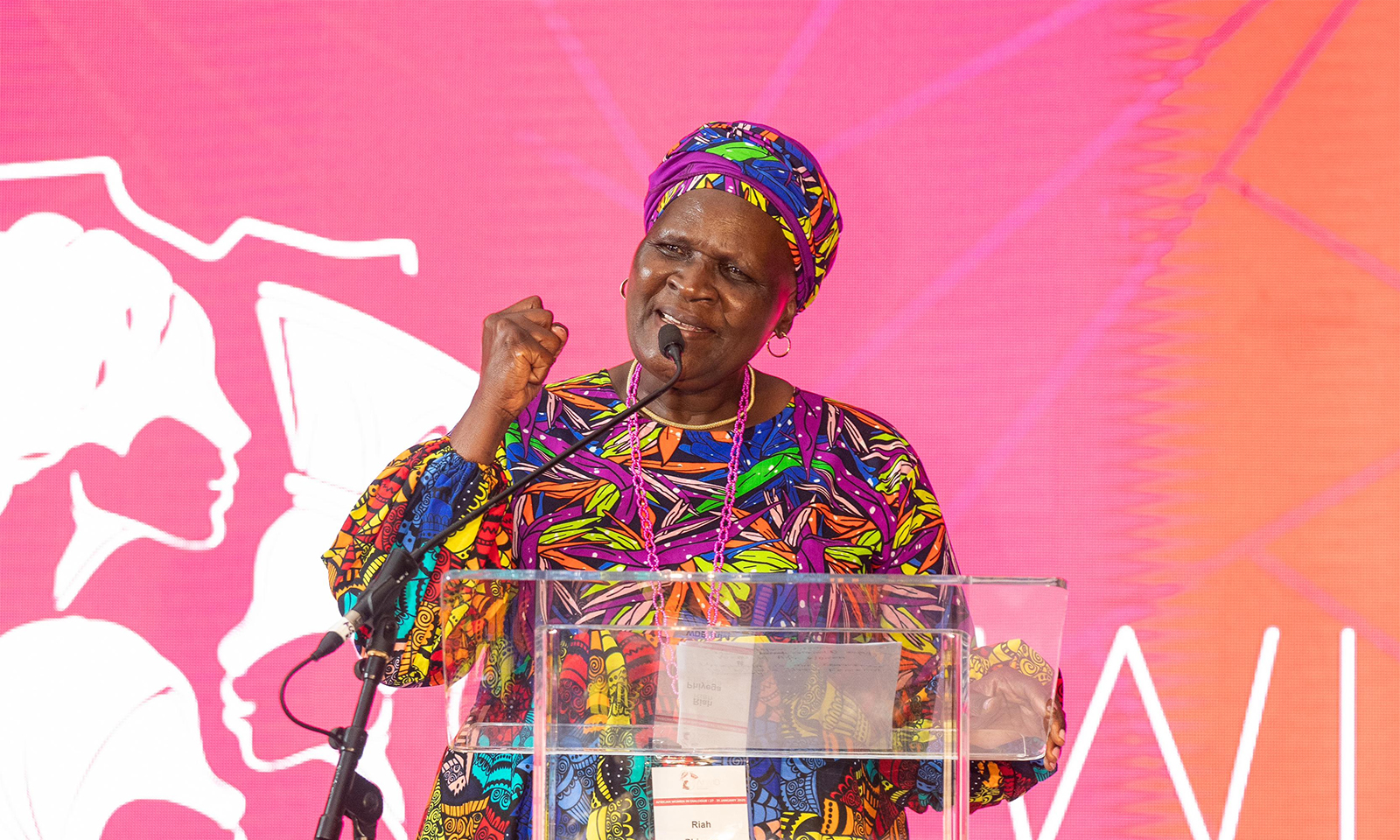
From Ruth Butaumocho in JOHANNESBURG, South Africa
The 2025 third African Women in Dialogue (AfWID) conference that brings over 1 000 women from 55 African countries kicked off in Johannesburg, South Africa on Monday with participants calling for the removal of the systematic barriers that hinder women’s progress.
In her welcoming remarks, Women Development Trust chief executive officer Ms Riah Phiyega called on governments to push for policies that empower women in all spheres of life.
“We must challenge the systemic barriers that hinder our progress and we must stand united in our fight against exclusion, gender-based violence in its multiple forms, and discrimination,” she said.
“We recognise the unique struggles faced by rural poor women across our continent and globe. These women are the backbone of their communities, yet they face tremendous hardships daily.
“They toil tirelessly, often with limited access to education, healthcare, and economic opportunities. They are disproportionately affected by poverty, lack of infrastructure, and the impacts of climate change. Their voices are often unheard, and their needs unmet.”
While acknowledging the continued challenges that women in Africa continue to face, Ms Phiyega applauded positive spins off the continent has recorded from the recommendations of The Beijing Platform for Action.
“The landmark Beijing Conference on Gender Equality held in 1995, brought some noticeable advancements in tempering with stubborn gender inequality elements,” she said.
“However, we must continue to build on this legacy and address the persistent gaps and emerging challenges.
“Our journey is far from over, our agenda for gender equality is loud and clear. We must remain vigilant and committed to achieving true and just equality for women.”
A brainchild of Mrs Zanele Mbeki, the week-long African Women in Dialogue (AfWID) conference will review the critical areas of concern identified in 1995 (BPFA) highlighting progress made, gains, and achievements.
It will also review the challenges and constraints on the advancement of African women, prospects for increased future advancements, and positive change.
Sixteen women, among them entrepreneurs in various fields and female councilors from Kwekwe, Murehwa, Masvingo and Bulawayo are part of the Zimbabwean delegation attending the week-long conference.


 Online Reporter