Moffat Mungazi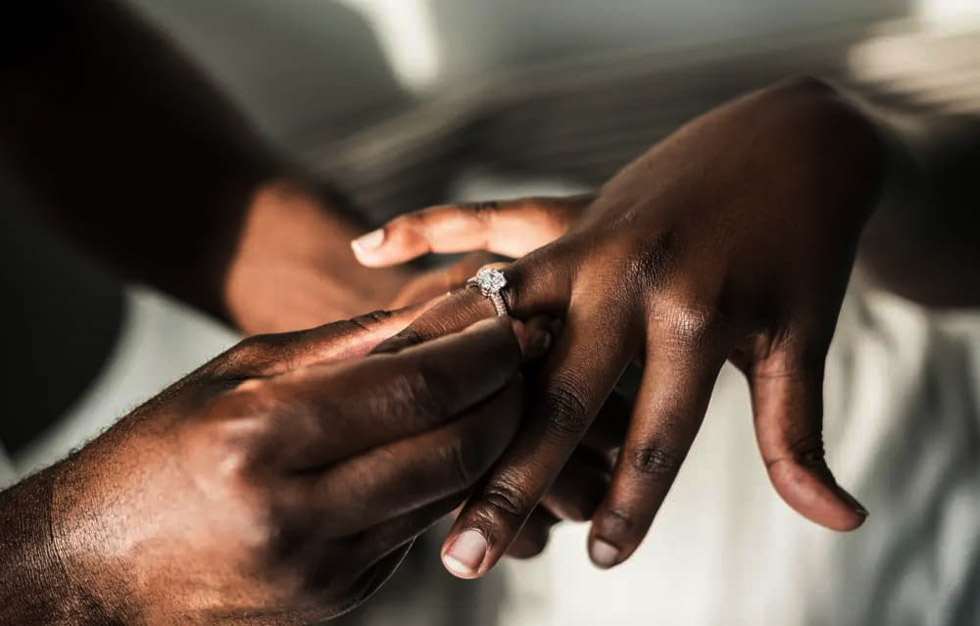
Rodgers Irimayi
Cultural Perspectives
AFRICAN marriage customs vary greatly as they are deeply rooted in cultural traditions according to different ethnic groups and communities.
This week, I would like to draw your attention to common traditional marriage practices observed among various communities in Zimbabwe.
Although these traditional practices still resemble the original cultural marriage system followed by the past generations, they have since been diluted, and we have adopted modern variations.
Dating
Dating is the first stage in a love affair, and it refers to a social activity where two individuals from the opposite sex engage with one another to explore a romantic relationship.
They accept each other after a proposal as they seek to establish a long-term relationship.
Dating provides individuals with the opportunity to get to know one another as they assess compatibility before they commit themselves through formalising their engagement.
It is a crucial stage where decisions are made whether to continue or drop the affair as it means engaging in a life-long relationship.
Traditional dating practices
The involvement of other people such as friends and relatives play a crucial role in bringing two people into an affair.
The two rely on recommendations from their trusted friends and relatives and sometimes even without their knowledge, marriage agreements can be reached between families.
This is mostly influenced by the social status of the potential groom such as a wealthy family defined by a large herd of cattle, established farmer or hunter.
All these contribute to poorer families getting attracted to the wealthy family and offering their girl child in marriage in exchange of food handouts.
However, this system is no longer trending as individuals prefer their own choices rather than being influenced by others.
Modern dating practices
Online dating has been necessitated by the rise of dating applications and websites which have transformed how people meet.
Many dating cites allow for the matching of couples based on interests, values, and preferences.
Social media platforms that have been developed such as Instagram and Facebook and many others often play a role in dating by helping partners connect or stay updated about one another’s lives.
Many girls have fallen into the hands of bad guys who rob, rape and murder after luring them.
Courtship
Courtship is a pre-marital phase that partners go through after accepting each other, but before formal marriage discussions.
It plays a vital role in establishing relationships that lead to the marriage of a couple, and it typically engages the supervision of their families through intermediaries such as aunts and other close relatives from both sides.
Sometimes social gatherings are organised where family visits are facilitated by the intermediaries.
The traditional cultural courtship practices in Zimbabwe are rich in meaning and deeply rooted in community values.
They focus on more than just the relationship between the two individuals, but emphasise the importance of family, community, and cultural values.
Engagement
The formal engagement process involves both families meeting to discuss the intentions of marriage.
The meeting is an important step in confirming the couple’s intentions and often includes negotiations regarding roora/lobola.
The intermediaries get more work at this stage, and a breakdown of the relationship might reflect badly on the roles of the aunts involved.
The aunts preside over the exchange of gifts (nduma).
During the engagement, the groom’s family may provide gifts or tokens to the bride’s family as a sign of respect.
Traditionally, the exchange of the tokens is done at the aunt’s home, but these days, engagement parties are organised where families and friends gather to celebrate the occasion.
Roora/Lobola (Bride Price)
Roora is a traditional practice where the groom compensates the bride’s family with money or goods.
It symbolises respect for the bride’s family and serves to strengthen family bonds between the two families.
A very crucial process during the payment of roora is negotiation.
The amount and form of roora are often negotiated between families, taking into account factors like the bride’s education, family status, and other social aspects.
Traditional wedding ceremonies
Traditional weddings are marked by rituals and rites as the ceremony involves exchanging of vows, receiving blessings from elders, sharing of food, singing, dancing, and other cultural performances.
The emphasis is on family and community participation.
The outstanding attire worn by the bride often includes a colorful traditional dress, while the groom might wear an elegant suit. The attire can feature traditional motifs and patterns.
Role of elders
An important aspect during weddings is the blessing role played by elders.
Elders play a crucial role as they are expected to offer blessings and guidance to the couple, reinforcing their responsibilities in marriage.
Elders often impart wisdom and advice about marriage and family life to the newlyweds.
Community participation
Weddings bring together communities through social gatherings.
In Zimbabwe, these gatherings are communal events that involve extended families, friends, and neighbours.
The participation of the community is essential, emphasizing the collective nature of marriage.
After the wedding ceremony, a celebration usually takes place, often involving feasting, dancing, and traditional music.
Legal marriage
In addition to traditional customs, couples may choose to have a civil marriage, which is legally recognised.
This may require a marriage certificate from the Registrar of Marriages, involving a separate legal process.
Marriage contracts
Some couples may also sign marriage contracts that outline their rights and responsibilities, which are especially relevant concerning property and financial matters.
Cultural variations
There are ethnic differences that are peculiar to a particular tribe or clan.
Some different ethnic groups, such as the Shona and Ndebele, may have distinct practices surrounding marriage.
For example, Ndebele marriages may include a specific component of gifts, ritual, singing and dancing during the ceremony.
Post-wedding customs
The delivery of gifts has become common practice and after the wedding ceremony, the newlyweds take account of the gifts received from family and friends.
These gifts often include household items or money to help them start their life together.
Sometimes others get heartbroken after spending large sums of money preparing for the wedding in anticipation of large sums, but then fail to cover debts that would have accumulated.
The bride is expected to pay visiting rituals which is a custom which compels her to visit her family shortly after the wedding, where she may present gifts and blessings as part of the transition to her new family.
Religious influences
Many Zimbabweans also incorporate Western-style Christian weddings, especially in urban areas.
This can include church ceremonies, which may follow traditional proceedings, or entirely separate religious weddings.
Modern adaptations
These days there are cultural dynamics that have resulted in the blending of traditions with the spread of globalisation and urbanisation.
This has seen even Zimbabwean couples blending their traditional customs with modern practices, such as incorporating aspects of Western weddings or civil ceremonies, depending on personal and family preferences.
Kitchen parties
A kitchen party for the bride before marriage is a wonderful way to celebrate the upcoming wedding.
Traditionally associated with some cultures, particularly in Newfoundland and Labrador in Canada, kitchen parties often involve friends and family gathering in a homey setting to socialise, prepare food, and enjoy music.
A relaxed dress code is usually called for to encourage guests to feel comfortable moving around and cooking.
During the party, space is created for guests to provide their best marriage advices.
Bachelor’s party
On the groom’s side, a bachelor’s party is organised as a celebratory event to honour the groom, and create unforgettable experiences with friends.
It is an opportunity for friends and family to honour the groom, and celebrate his transition into married life.
Advice on how to have a successful marriage is also paramount.
Honeymoon
Newlyweds these days arrange for a honeymoon immediately after wedding where they spent special moments together.
The honeymoon is often a romantic blissful period characterised by intense emotions and strong attraction.
As observed above, marriage in Zimbabwe is a multifaceted institution which is deeply rooted in cultural, social, and legal traditions.
It has also been affected by the ever changing global systems as intermarriages undermine traditional cultural practices.
These days, marriage practices vary greatly depending on how individual and communities blend values from traditional and modern systems.
Rodgers Irimayi is the Ministry of Information, Publicity and Broadcasting Services Masvingo Provincial Information Officer. He writes in his personal capacity and can be contacted on +263778246098 or [email protected]



 Online Reporter