Moffat Mungazi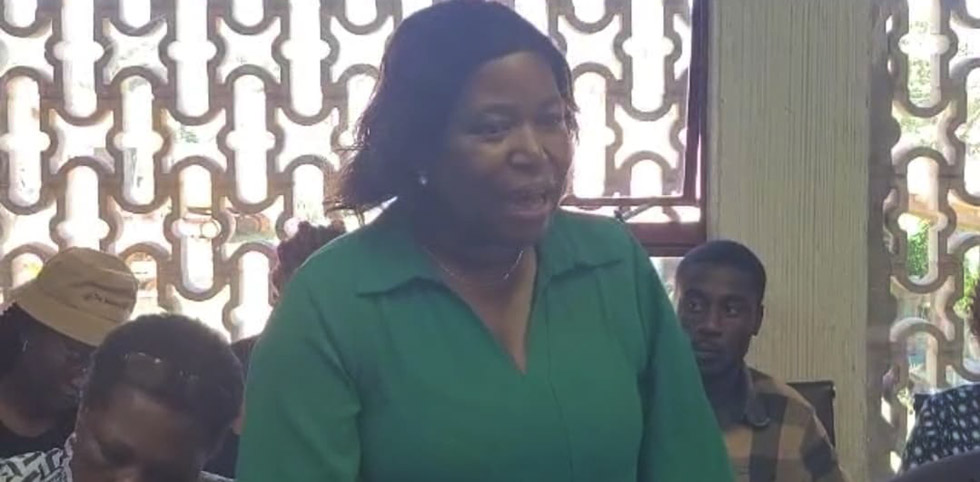
Tendai Gukutikwa
Post Reporter
FEMALE entrepreneurs in Manicaland have bemoaned limited knowledge of trade regulations, particularly those under the African Continental Free Trade Area (AfCFTA), saying this is hindering their ability to expand their businesses beyond Zimbabwe’s borders.
The concerns were raised in an interview on the sidelines of last week’s tour of Matan Holdings in Mutare by Manicaland Chamber of SMEs secretary-general, Mrs Rosemary Kaisi-Shumba.
Women Affairs, Community, Small and Medium Enterprises, Senator Monica Mutsvangwa was also part of the delegation.
Mrs Kaisi-Shumba said many women lack access to information and resources that will help them fully understand and take advantage of the AfCFTA.
“As women entrepreneurs, we are eager to grow and tap into regional markets, but we do not have enough knowledge about AfCFTA regulations. We need simplified explanations of what these trade agreements mean for our businesses, and practical guidance on how to benefit from them,” she said.
AfCFTA is the largest free trade area in the world, bringing together 55 African countries to create a single market with over 1,3 billion people.
It aims to boost intra-African trade by reducing or eliminating tariffs on goods and services, making it easier for businesses to operate across borders.
“By streamlining trade processes and harmonising regulations, the agreement is designed to unlock Africa’s economic potential and foster sustainable growth. For small businesses, AfCFTA opens up new markets and opportunities to reach customers beyond national borders. It lowers trade costs, making products more affordable and competitive, while giving entrepreneurs access to a wider range of suppliers and materials, but our female entrepreneurs do not know how to be part of that. We need those trainings,” she said.
She also highlighted gender-based barriers to market access, as well as lack of gender-sensitive infrastructure at border posts, which further discourages women from exploring cross-border opportunities.
“The infrastructure at many border posts is not women friendly. It can be unsafe and inconvenient, which makes it harder for us to trade freely. We need facilities that consider our needs and make trading easier for women,” said Mrs Kaisi-Shumba.
She pleaded with the Ministry of Women Affairs, Community, Small and Medium Enterprises to organize workshops and training sessions specifically tailored for female entrepreneurs, to break down complex trade regulations and provide practical skills for navigating regional markets.
“We humbly ask the Ministry of Women Affairs, Community, Small and Medium Enterprises to hold workshops that focus on AfCFTA. If we can get hands-on training, we will be able to confidently step into bigger markets and contribute more to the economy,” she said.
She called for the introduction of tax relief for women who are in their early stages in business.
“We ask for tax relief for a new business for two to five years until the business becomes stable, and is making profits, because as it is, most women are not enjoying any profits because every cent is going towards taxes. The formalisation of our businesses also comes with high compliance costs. Can there not be a one-stop shop where we can access all services that have to do with formalising our businesses?” she said.
In response, Senator Mutsvangwa commended female entrepreneurs for their hard work, and promised that her ministry will look into facilitating training programmes to bridge the knowledge gap.
“Your concerns are valid, and we are committed to support women in business. We will work closely with the Chamber of SMEs and relevant stakeholders to ensure that women are equipped with the knowledge and tools they need to trade under AfCFTA. We want to see women in Manicaland leading in regional trade and growing their businesses beyond Zimbabwe,” said Senator Mutsvangwa.
She also acknowledged the need for improved infrastructure at border posts, and promised to engage other Government departments to address the issue.
“We understand that infrastructure plays a big role in trade, and we will push for more gender-sensitive facilities at border posts. Women deserve safe and supportive trading environments,” she said.
Minister Mutsvangwa encouraged women entrepreneurs to stay resilient and continue pushing for their rightful place in the business world.
“We have capable, hardworking women in Manicaland, and I have no doubt that with the right support, they will thrive not only locally but across the continent,” said Senator Mutsvangwa.



 Online Reporter