Online Reporter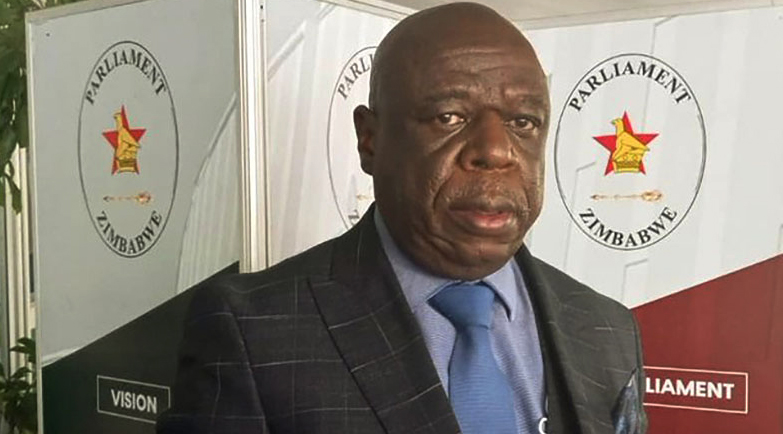
Samuel Kadungure
News Editor
CITIZENS have three weeks left to have their say on Constitutional Amendment Bill Number 3, with the 90-day window for submissions closing on May 17.
The Clerk of Parliament, Mr Kennedy Mugove Chokuda yesterday (Thursday) said he was satisfied with the public response so far as nationwide consultations draw to a close, paving the way for Parliament to debate the Bill once the 90-day period set out in the constitution expires.
The Bill has already undergone public hearings, including sessions in Manicaland from March 30 to April 2, 2026, and will now move into formal parliamentary stages, including committee scrutiny, while written submissions continue to be accepted until the 17 May deadline.
The relevant parliamentary committees are now collating the evidence and producing a report based on oral submissions from public hearings and written representations.
The report, detailing public input, will be tabled before the National Assembly as the official foundation for further action.
“The 90-days end on May 17, and that is when the Bill can be brought to Parliament, and we will follow the same procedures that we apply to all the Bills. Yes, we are receiving written submissions from various people, and the volume is quite satisfactory,” said Mr Chokuda.
After the second reading speech, which outlines the Bill’s provisions, committees present their reports and debate is opened to all MPs.
Legislators will then scrutinise the Bill clause by clause at the committee stage, approving or amending each clause until all have been dealt with.
The Bill will then be put to a vote and, to pass, must secure a two-thirds majority.
Once approved, it will undergo a Third Reading, signalling its passage. If the Bill succeeds, it will be send to the Senate, where it will go through the same process.
Parliamentarians recently traversed the length and breadth of Manicaland, consulting citizens on the Bill, in accordance with Section 141 of the Constitution of Zimbabwe.
“Parliament must (a) facilitate public involvement in its legislative and other processes and in the processes of its committees (b) ensure that interested parties are consulted about Bills being considered by Parliament, unless such consultation is inappropriate or impracticable,” reads Section 141 of the Constitution.
ZANU PF Manicaland provincial chairman, Cde Tawanda Mukodza, said the party will continue to explain and emphasise its position on the Constitutional Amendment Bill Number 3 to the public through various platforms.
He stressed that outreach efforts are aimed at ensuring that citizens fully understand the proposed amendments before the May 17 deadline for written submissions.
Cde Mukodza added that the party remains committed to engaging communities across the province so that their views are properly reflected in the legislative process.
Thousands of Manicaland citizens voiced their full support for Constitutional Amendment Bill Number 3, urging lawmakers to extend the Presidential and Parliamentary terms, and introduce a parliamentary system for electing future presidents.
Their endorsement was based on the Second Republic’s development track record, progress they want to see continue until 2030.
The hearings were conducted in a peaceful atmosphere, with citizens citing stability, development, resource savings, effective governance and the avoidance of election-related hostility as key reasons for backing the proposed changes.
They further argued that lengthening the electoral cycle would stabilise governance, reduce electoral violence and allow long-term policies to yield results.
Citizens also recognised the Second Republic’s substantial work on infrastructure development and investment attraction, expressing the wish that this trajectory continues so that their communities can enjoy further growth and development.
Among the key highlights, the Bill seeks to extend the Presidential term to seven-year cycles from the current five. Under the envisaged changes, the President will also be elected by a joint sitting of Parliament.
A new Zimbabwe Electoral Delimitation Commission is also being proposed, while oversight of the voters’ roll will be transferred to the Registrar-General.
Further, it allows the President to appoint 10 additional senators.