admin
admin
 Thandeka Moyo Chronicle Reporter
ONE in 13 Zimbabweans has some form of disability, according to a shock new study. Of the 900,000 people with disabilities, 39 percent fail to proceed past Grade 7 due to poverty, says the first ever National Survey on Disability and Health.
The report says disabled people are hindered by financial constraints, pregnancy and discrimination which force them to drop out of school.
Only 18 percent of the disabled people reach Form 4.
Launching the survey yesterday, the permanent secretary in the Ministry of Health and Child Care Gerald Gwinji said the survey was aimed at producing evidence to guide the development of appropriate national policies, strategies and action plans.
“The survey was conducted in 2013 in all the country’s 10 provinces and the analysis of school attendance shows that more males aged three years are attending school compared to females,” said Gwinji.
Some households reported that they go for two weeks without food.
“The survey results show that a large proportion of individuals with disability acquire their disability as children. Around 25 percent of individuals with disability acquire it at birth or before the age of five years.”
Approximately 45 percent of people living with disabilities acquire disability before 20 years of age.
“While males seem to be more exposed to disability in the younger age groups, the results indicate a strong association between increasing age and disability among women as compared to men,” he added.
Gwinji also noted that about half of the persons in the 15 years and older age group were married.
“Among individuals with disability who confirmed being married or in a relationship, more females had spouses that are also persons with disability,” said Gwinji.
The survey, done in conjunction with Unicef and other ministries, also shows that 67.3 percent of people living with disabilities were in rural areas with 2.7 percent in urban areas.
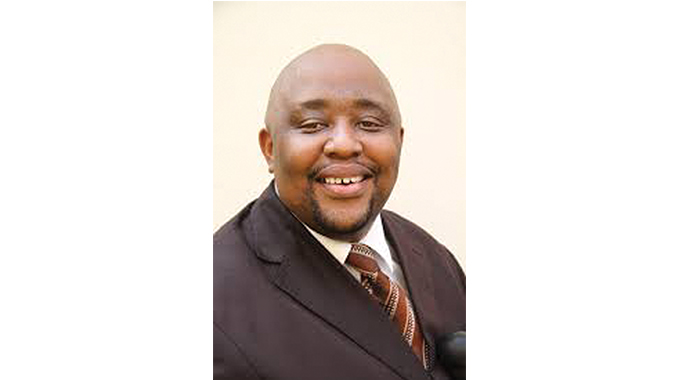
Zanu-PF Politburo member and former Bulawayo mayor Cde Joshua Malinga, an advocate for people living with disabilities, congratulated the country for coming up with the first survey on disabled people.
“However, as a matter of fact, only two percent of people with disabilities can access school in the country as there is one or two schools built with the disabled in mind,” said Cde Malinga insisted.
He said the only solution to addressing problems faced by people with disabilities was for the government to take an interest in disabled people and formulate policies that can make a difference.
“It’s time we’re treated as humans because we live to fight for basic human rights even in the so-called developed countries. We know our problems better and we should be consulted and engaged in any programme meant for us,” he said.
Zimbabwe was one of the first countries to come up with disability specific legislation through the Disabled Persons Act Chapter 17.01 of 1992.
Since 2002, the country has included a question on disability in the national population census, the latest of which shows Zimbabwe has a population of 13 million people.
In low-income countries, including Zimbabwe, there is inadequate information on disability, translating to limited information on which to base advocacy, policy development and effective resource mobilisation and utilisation.
Article 25 of the UN Convention on the Rights of Persons with Disabilities (CRPD) reinforces the right of persons with disabilities to attain the highest standard of health care, without discrimination but owing to budgetary constraints this is not always met in developing countries, including Zimbabwe.



 Online Reporter