admin
admin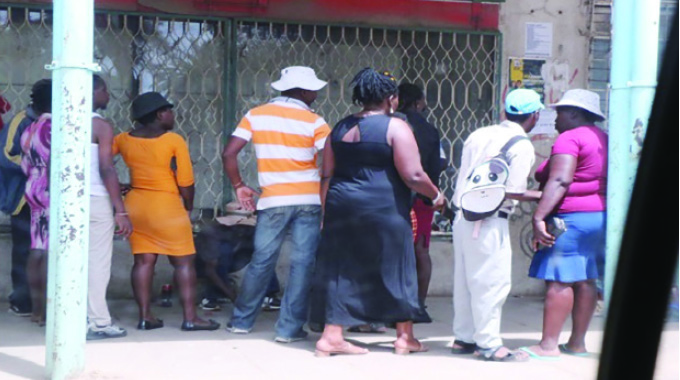
Musawenkosi Moyo
IT is not known exactly when street gambling made its way to the streets of Bulawayo, with tales dating back to the 1970s and 1980s.
However, one thing is certain, it has become a permanent part of the city’s urban culture and will not die anytime soon.
With just a couple of bottle caps or sometimes small plastic cups, a small ball that can fit into the bottle cap and skilful and quick hands, street gamblers popularly known as ofejafeja make a living and one of these people is Themba Moyo (36) from Pumula South suburb in Bulawayo, who has been part of the trade for the past 17 years.
Through street gambling, Moyo says he has been managing to put food on the table and take care of his family. Although the trade is not legal, it has been and continues to be a lifeline to many families.
“I started working as a fejafeja in 2007 after I failed to get a job and a friend introduced me to the trade, at the time it was just a temporary thing but since then I rely on gambling to make money,” he said.
He further stated that he can pay school fees for his two children who are still in primary school using the money he gets from gambling. He went on to say that with the money he has earned over the years, he has started a rabbit breeding and raising business where he sells live rabbits and meat.
“Although the gambling trade appears easy to outsiders, the trade like most also presents its dangers because you can be arrested for doing it and the people who are gambling themselves easily become violent when they lose. Sometimes there are arguments between me and the person gambling. Some losers tend to get violent and this has occurred to me many times over the years,”he said.
He said that they do not work in one place but move around because they have to find new customers, especially along busy streets in the city centre. Moyo went on to say that because he does not work alone, he often goes home with US$10 to US$20 a week, depending on how well people would have gambled against them.
“Whether I make money today or not depends on how my hands work and how well the person gambling can play. If the player is good then I lose money and if they do not know how to play then I make money,” he said.
This was also said by Skhangele Moyo (31), Themba’s fellow tradesman who has been operating as a fejafeja for the past five years.
“They are six of us all working together, one is operating the game and the others are looking for potential clients and luring them to come and play,” said Skhangele.
He said in a week they can make about US$50 or more and that money is shared among the six of them. Not only is street gambling illegal, it also carries a negative view from people, with some believing it to be nothing but trickery used to scam people.
“Some people do not understand how the game is played, which is why they think that it’s a scam. I mean how do you cheat people all the time?” said Skhangele.


 derick.khumalo