

 daniel chigunwe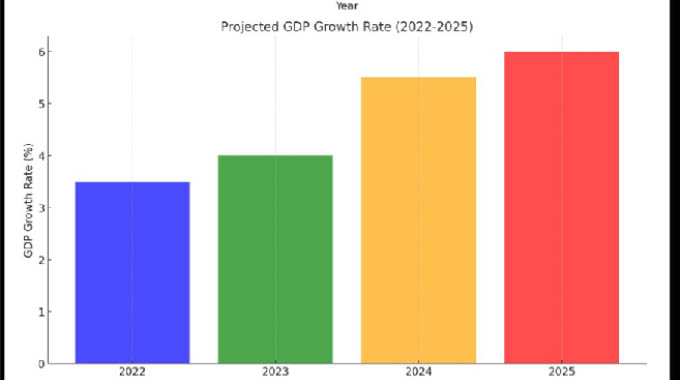
Kudakwashe Mundowozi
The Zimbabwe 2025 National Budget introduces a robust suite of tax reforms aimed at optimising fiscal revenue, broadening the tax base and promoting inclusive economic growth.
At its core, the budget emphasises measures to formalise the informal sector, streamline compliance mechanisms and foster equity in the tax system. These reforms are essential for addressing Zimbabwe’s fiscal challenges, including limited revenue inflows, high levels of informal economic activity and persistent tax evasion.
A pivotal reform mandates the automatic registration of Small and Medium Enterprises (SMEs) for key tax obligations, including Value-Added Tax (VAT), Pay-As-You-Earn (PAYE) and Corporate Income Tax (CIT). SMEs in high-transaction sectors such as retail, hardware and hospitality must adopt Point-of-Sale (POS) systems and maintain proper financial records. This measure aims to bring informal businesses into the formal economy and is projected to generate an additional US$200 million annually.
However, implementing this reform will require careful consideration of the capacity of SMEs to meet these new compliance standards. Small businesses often operate on tight margins and may lack the financial and human resources needed to maintain detailed records or adopt POS systems. The risk of non-compliance is significant, particularly if enforcement is perceived as punitive rather than supportive.
To address these challenges, the Government has highlighted the need for taxpayer education programmes and simplified registration processes. By fostering a collaborative approach, Zimbabwe can enhance compliance rates while reducing resistance among SMEs.
Simulated forecasts suggest that formalisation efforts will lead to SME contributions increasing from USD 0.5 billion in 2022 to USD 1.1 billion by 2025. This represents a significant shift in the revenue composition, underscoring the transformative potential of tax compliance in driving fiscal stability.
The income tax reforms reflect a progressive approach to balancing revenue generation with social equity. The tax-free threshold for monthly incomes has been raised from ZiG$1,356 to ZiG$2,800, providing relief to low-income earners.
This adjustment is expected to enhance disposable incomes and stimulate consumer spending, a critical driver of economic growth. Moreover, the redistribution of the tax burden aligns with global best practices in progressive taxation, ensuring that higher-income groups contribute proportionally more to national revenues.
Despite these positive steps, the increase in marginal tax rates for affluent individuals poses risks. High-income earners may seek to exploit loopholes or engage in aggressive tax avoidance strategies, eroding the anticipated revenue gains. Strengthening enforcement mechanisms and investing in digital tools for tax monitoring will be vital to countering such risks.
The introduction of a 25 percent Rental Income Tax on properties converted from residential to commercial use is another significant measure in the 2025 budget.
This tax is designed to formalise segments of the real estate sector that have historically been under regulated. By requiring landlords to maintain accurate records and comply with Zimbabwe Revenue Authority (ZIMRA) guidelines, the Government aims to increase transparency and accountability in this critical sector.
However, the measure has raised concerns about its potential impact on property investment and development.
Landlords may pass on the increased tax burden to tenants, leading to higher rental costs and potentially discouraging small businesses from leasing commercial properties. While the reform seeks to broaden the tax base, it underscores the importance of balancing revenue objectives with economic incentives for investment.
The budget also introduces new measures targeting specific industries, such as a 10 percent withholding tax on gross winnings from betting activities and a 0.5 percent tax on fast-food sales. The betting tax aims to expand the tax base and ensure better regulation of the gaming industry, which has seen significant growth in recent years. However, critics argue that the tax unfairly targets bettors rather than operators, many of whom report significant profits.
Similarly, the fast-food tax is intended to generate additional revenue while addressing public health concerns. By discouraging the consumption of unhealthy foods, the Government hopes to reduce the prevalence of non-communicable diseases such as diabetes and hypertension. Although the projected revenue from this tax has not been specified, it represents a step toward diversifying Zimbabwe’s fiscal revenue streams.
Digitalisation is a cornerstone of the 2025 budget’s tax reforms. ZIMRA’s integration with financial institutions, the Central Vehicle Registry (CVR) and other regulatory bodies is expected to enhance real-time transaction tracking.
This initiative is projected to reduce revenue leakages by US$100 million annually, reflecting the significant potential of technology to improve tax administration.
Digital systems will also minimise errors, enhance transparency and reduce opportunities for corruption.
However, the transition to automated systems poses initial challenges, particularly for businesses unfamiliar with digital platforms. Training programmes and incentives for adopting these systems will be critical to ensuring widespread compliance and a smooth transition.
The VAT reform measures in the 2025 budget include mandatory registration for businesses tendering goods and services worth over US$25,000. This policy is expected to expand the tax net and generate an estimated US$150 million annually. Greater VAT compliance will reduce risks associated with counterfeit receipts and unauthorised transactions while ensuring fair contributions from all businesses.
In the mining sector, the budget revisits royalty structures, introducing a sliding scale model responsive to global commodity prices. This approach ensures that Government revenues remain robust even as market conditions fluctuate. Key minerals such as gold, platinum and lithium are expected to drive this growth, with projections indicating rising prices in 2025.
The Government has also introduced targeted incentives to stimulate investment in renewable energy and other key sectors. Tax holidays for solar energy projects align with Zimbabwe’s sustainability goals, encouraging green investments that contribute to long-term economic resilience. These incentives are projected to support GDP growth, estimated at 6 percent for 2025, driven by robust performances in agriculture, mining and ICT.
Simulated projections highlight the broader economic impact of these tax reforms. Total Government revenue is forecasted to grow from US$5 billion in 2022 to US$7.5 billion by 2025.
SME contributions alone are expected to account for a significant portion of this growth, underscoring the importance of formalising the informal sector. Similarly, VAT contributions are projected to rise from US$1.5 billion in 2022 to US$2.05 billion by 2025, reflecting improved compliance and an expanded tax base.
The GDP growth rate is also expected to accelerate, rising from 3.5 percent in 2022 to 6 percent in 2025. This growth will be driven by increased output in key sectors such as mining, agriculture and
ICT, bolstered by targeted tax incentives and streamlined compliance measures.
In conclusion, the 2025 tax reforms signal a strategic balancing act between revenue generation and socioeconomic equity. By formalising the informal sector, adopting progressive taxation, and leveraging digital tools, the Government aims to fortify Zimbabwe’s fiscal stability. Effective implementation, however, hinges on administrative efficiency, taxpayer education, and rigorous enforcement. Successful execution could not only bolster public revenues but also pave the way for a more equitable and resilient economic landscape.
Kudakwashe Mundowozi is a local business analyst with a special interest in taxation matters.


 Online Reporter