

 Online Reporter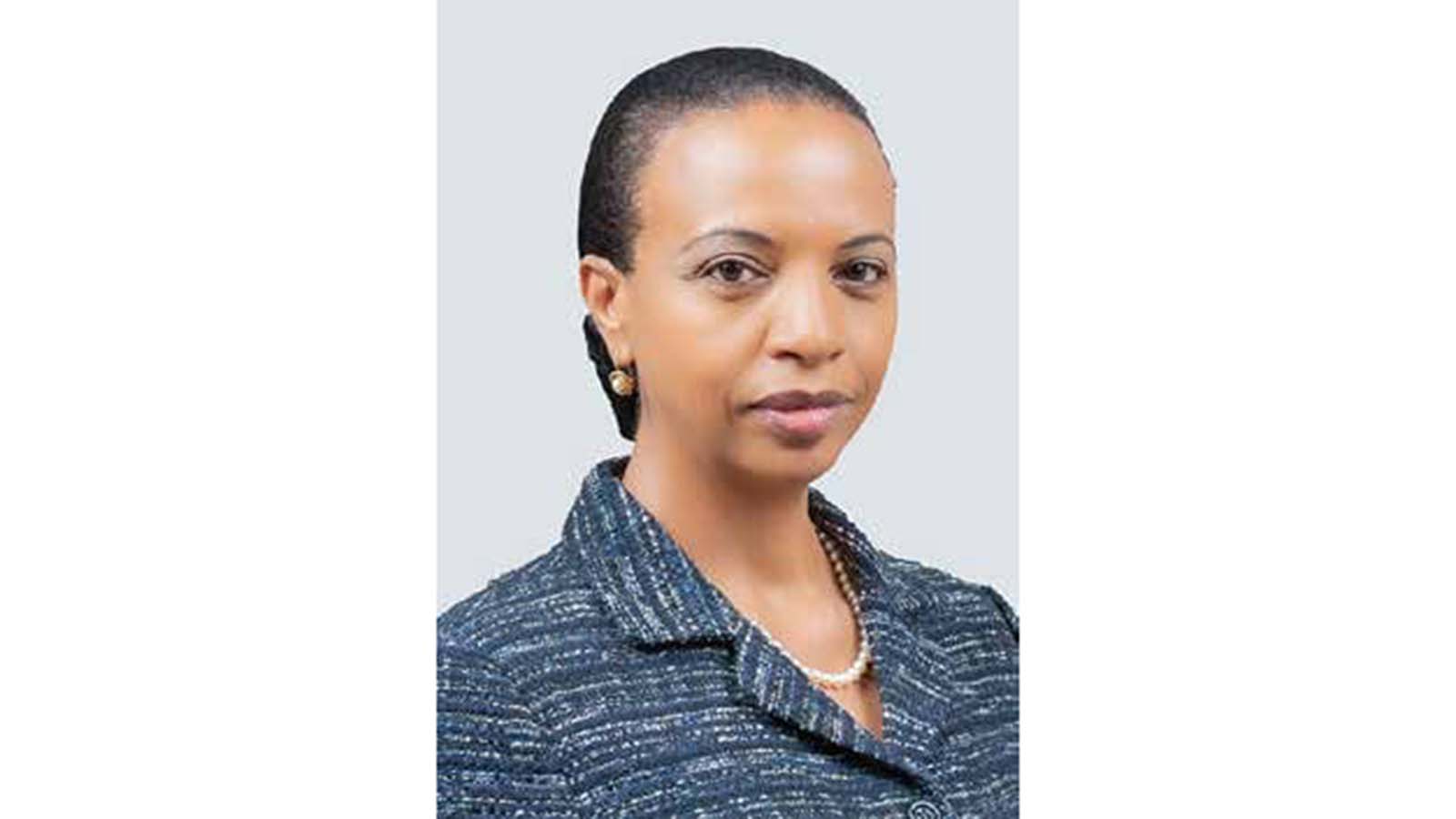
Africa Moyo
Deputy National Editor
THE African Development Bank Group yesterday approved a US$4 million grant to support Zimbabwe’s debt arrears clearance and re-engagement efforts with the international financial community.
In a statement yesterday, the AfDB said the funding would support the Zimbabwe Arrears Clearance Dialogue Enhancement Project (ZACDEP), which seeks to strengthen dialogue and reforms required to accelerate the country’s debt clearance process.
AfDB country manager for Zimbabwe Ms Eyerusalem Fasika said: “This approval reaffirms the African Development Bank’s strong commitment to supporting Zimbabwe’s economic resilience.
“Clearing arrears is the gateway to unlocking the development financing the country urgently needs.”
Zimbabwe’s public debt stood at approximately US$21,5 billion as of the end of last year, including US$11,7 billion in external debt.
Of that amount, about US$7,7 billion is owed to multilateral and bilateral creditors.
The arrears burden has continued to limit the country’s access to external financing and constrain public investment.
The grant, which falls under the African Development Fund’s Transition Support Facility Pillar III, builds on the Support for Arrears Clearance and Governance Enhancement project approved in 2022.
SACAGE established the structured dialogue platform and sector working groups that bring together the Government, creditors, development partners, civil society organisations and the private sector to sustain engagement on reforms and debt resolution.
To be implemented by Government over 36 months from next month to May 2029, the Zimbabwe arrears clearance dialogue enhancement project strengthens dialogue and builds consensus on the conditions necessary for implementing an arrears-clearance roadmap.
The project has three components: the first being enhanced dialogue, which will support engagement through the structured dialogue platform and sector working groups focusing on economic growth and stability, governance and land tenure reforms. It will also provide advisory services, legal support, communication and diplomatic outreach.
The second component is strengthened capacity, to support upgrades to debt management systems, reinforce parliamentary oversight and strengthen anti-corruption measures.
The third component is project management, which will focus on coordination, procurement, financial management, monitoring and evaluation.
According to the AfDB, the project adopts a gender-responsive approach, recognising that prolonged debt distress has disproportionately affected women and young people.
The grant follows the approval of the International Monetary Fund Staff-Monitored Programme in April this year, which is considered a key step towards broader debt resolution.
It also reflects progress in macroeconomic stabilisation under reforms anchored in the second phase of Zimbabwe’s National Development Strategy.
The AfDB remains Zimbabwe’s lead partner in the arrears clearance process and is expected to continue playing a catalytic role in supporting the re-engagement with the international financial community.
In 2022, President Mnangagwa appointed immediate-past AfDB president Dr Akinwumi Adesina as the champion of Zimbabwe’s arrears clearance and debt resolution process, while former Mozambique President Joachim Chissano was appointed as the high-level facilitator.
The approval of the US$4m grant by the AfDB comes as Zimbabwe recently welcomed the decision by the Board of Directors of the New Development Bank, formerly referred to as the BRICS Development Bank, authorising the opening of formal negotiations regarding Zimbabwe’s membership of the bank.
Last weekend, Government received official communication from New Development Bank president Dilma Rousseff confirming the start of the accession process and outlining the next steps towards Zimbabwe’s full membership.
The development is being viewed as another milestone in the country’s engagement and re-engagement agenda and reflects growing international confidence in Harare’s economic reform programme, macroeconomic stability agenda and private sector-driven investment growth strategy.
Membership of the New Development Bank is expected to strengthen Zimbabwe’s capacity to mobilise long-term development financing for key national priorities under NDS2 and Vision 2030, including infrastructure modernisation, energy security, industrialisation, digital transformation, climate resilience, private sector growth and value chain development.



