

 Sidumisile Mabena
Judith Phiri, [email protected]
The Africa Leather and Leather Products Institute (ALLPI), in partnership with the Leather Institute of Zimbabwe (LIZ) and the Government of Zimbabwe, is presenting a bold and transformative vision for Africa’s leather sector at the ongoing Zimbabwe International Trade Fair (ZITF) 2026.
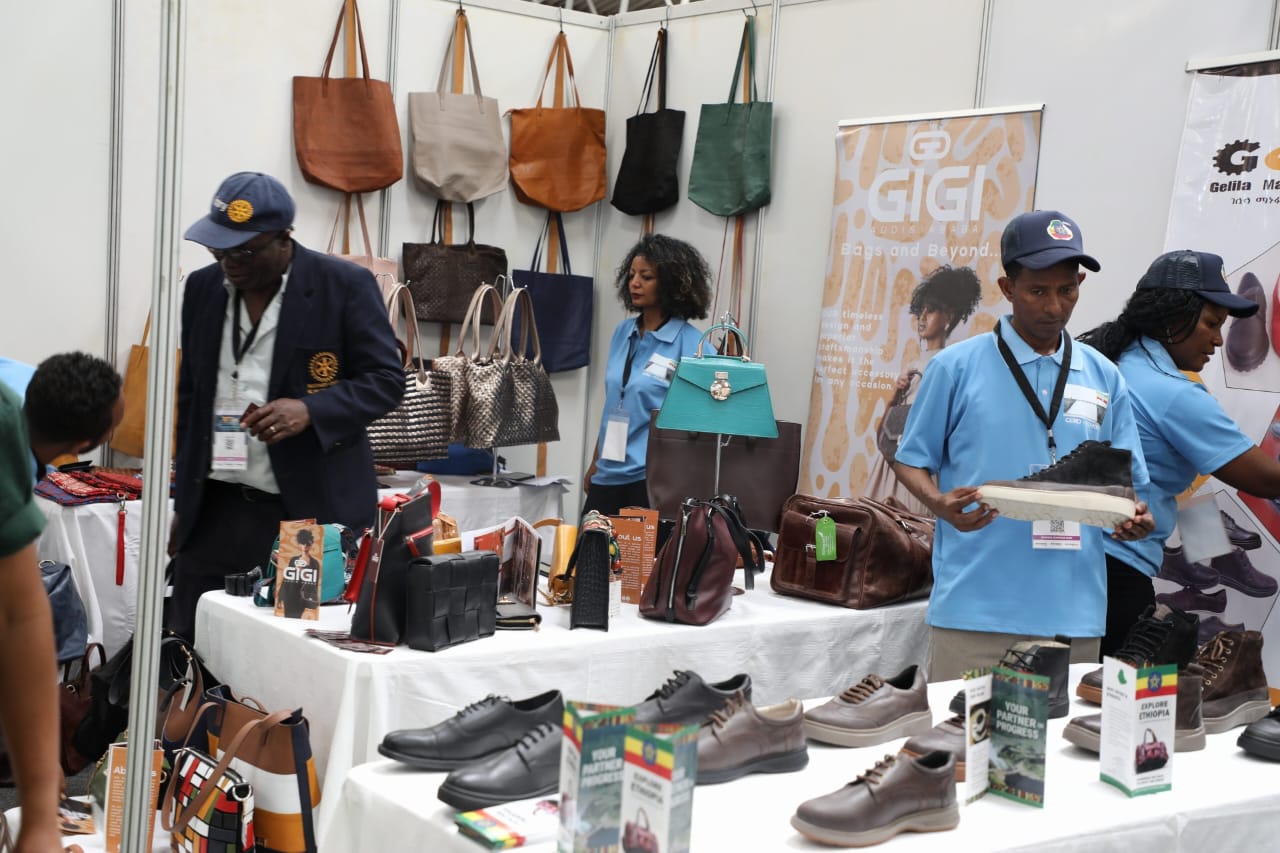
Anchored on the theme “Leather Reimagined: Competitive Design for a Connected Economy,” the ALLPI exhibition stand has emerged as a centrepiece of innovation, demonstrating how Zimbabwe’s leather industry is transitioning from raw material exports to high-value, design-driven production within a globally connected marketplace.
ALLPI Entrepreneurship, Product Design and Development Manager, Mr Preston Viswamo said at the heart of the showcase is the Satellite Design Studio, positioned as a smart factory of the future.
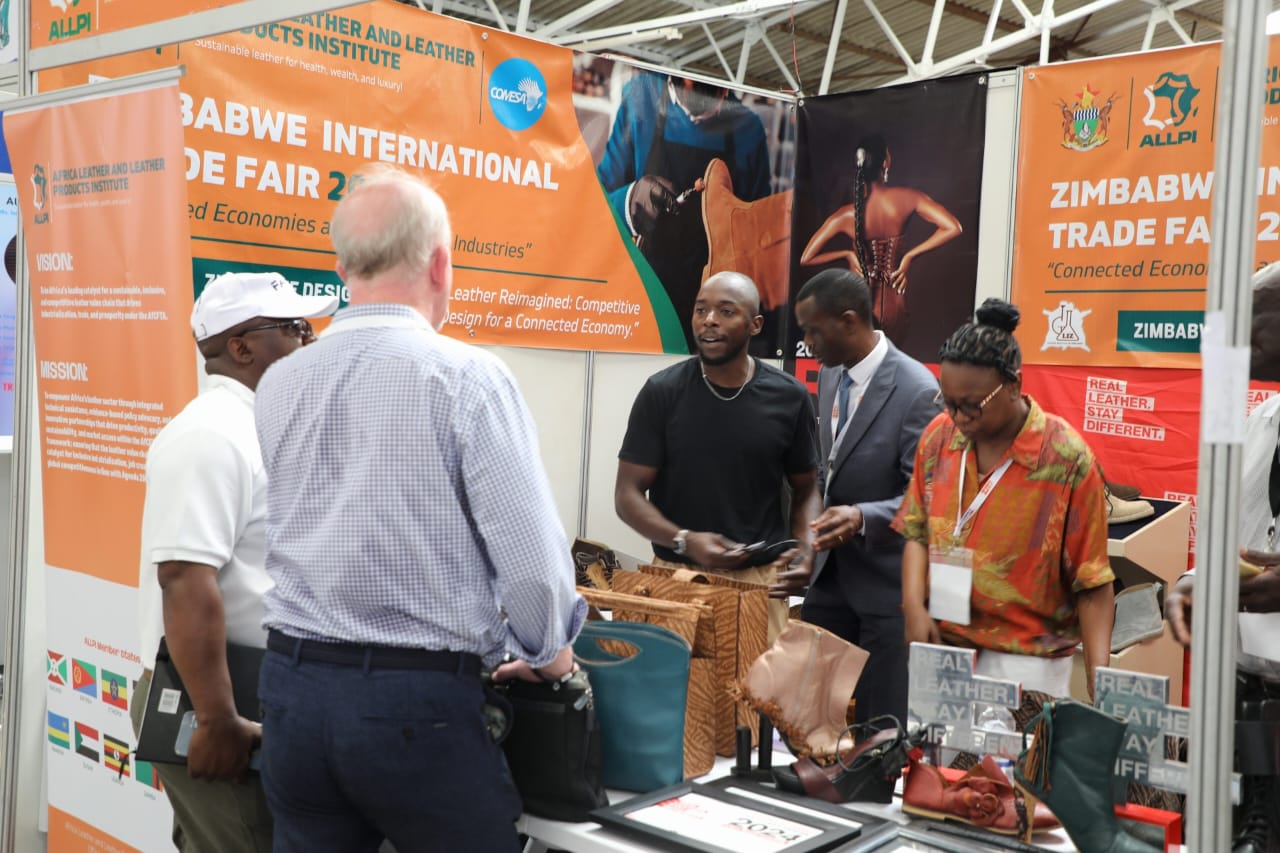
“Through live demonstrations, visitors are experiencing a compelling farm-to-fashion journey, where raw hides sourced from local livestock systems are transformed into digitally designed, high-quality footwear using advanced 3D CAD technologies,” he said.
“This integrated approach significantly reduces design-to-production timelines, from days to hours, while aligning local production with international quality and design standards. It signals a clear shift toward a more competitive, technology-enabled leather sector capable of meeting both regional and global demand.”
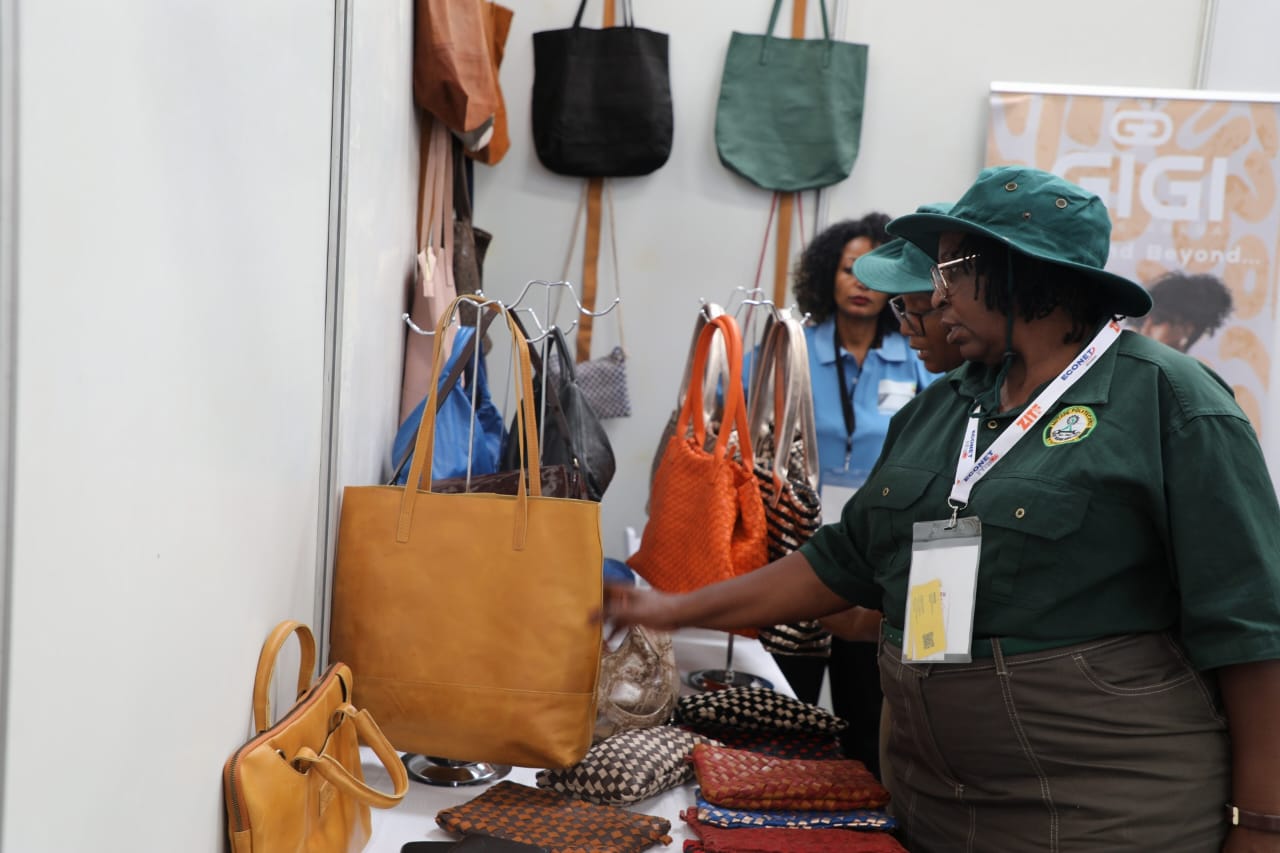
He said this is where Africa stops exporting potential and starts exporting precision, while what they are demonstrating was not just innovation, but a complete system, one that connects rural production, digital design, and industrial manufacturing into a single value chain.
Mr Viswamo said beyond the technology, the stand was also serving as a gateway for talent development and industry participation.
“A dedicated Real Leather. Stay Different. Africa Talent Leather Design Showcase 2026, (RLSD Africa) desk is actively registering designers into the continental/global competition, attracting strong interest from young creatives, SMEs, and industry stakeholders,” he added.
“The initiative is positioning design as a central pillar in Africa’s leather transformation, linking creativity with sustainability, durability, and market relevance. It is an initiative of Leather and Hide Council of America (LHCA) in partnership with ALLPI.”
He said RLSD was about more than design, it was about building a generation that understands leather as identity, sustainability and long-term value.
Mr Viswamo said ZITF provides a powerful platform to connect that vision directly to industry, investment, and opportunity.
“The ALLPI stand strongly reflects the ZITF 2026 theme, “Connected Economies and Competitive Industries,” by demonstrating practical linkages across the leather value chain—from rural raw material sourcing to digital innovation, industrial production, and global market access.”
He said the exhibition has also been strengthened through the participation of sponsored exhibitors, including three Ethiopian small to medium enterprises (SMEs) and the Zimbabwe Leather Clusters, further showcasing regional collaboration, SME development, and the growing competitiveness of Africa’s leather industry.
Mr Viswamo said ZITF through its immersive design, live demonstrations, SME showcases, and real-time designer onboarding, the exhibition was not just presenting products, it was presenting a model for sector transformation.
ALLPI is a specialised intergovernmental organisation under COMESA, dedicated to advancing the leather and leather products value chain across Africa.
Headquartered in Addis Ababa, Ethiopia, ALLPI serves as a hub for innovation, research and policy advocacy to enhance the sector’s competitiveness and sustainability.


 Bongani Ndlovu
 Online Reporter