Online Reporter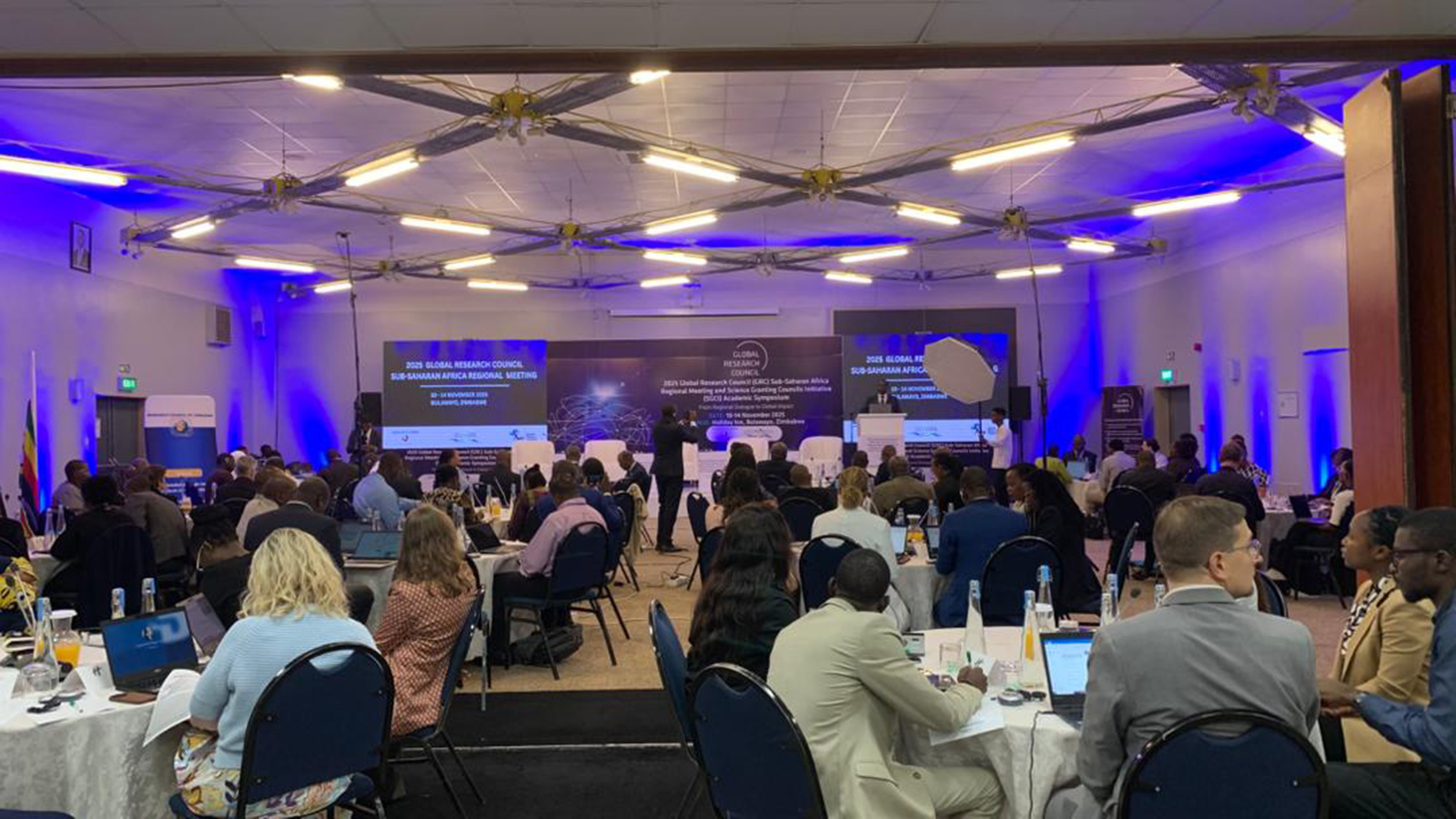
Takunda Gambiza in Bulawayo
AFRICAN research leaders have called for stronger ethical frameworks to guide Artificial Intelligence and promote more inclusive knowledge systems to address the continent’s pressing challenges.
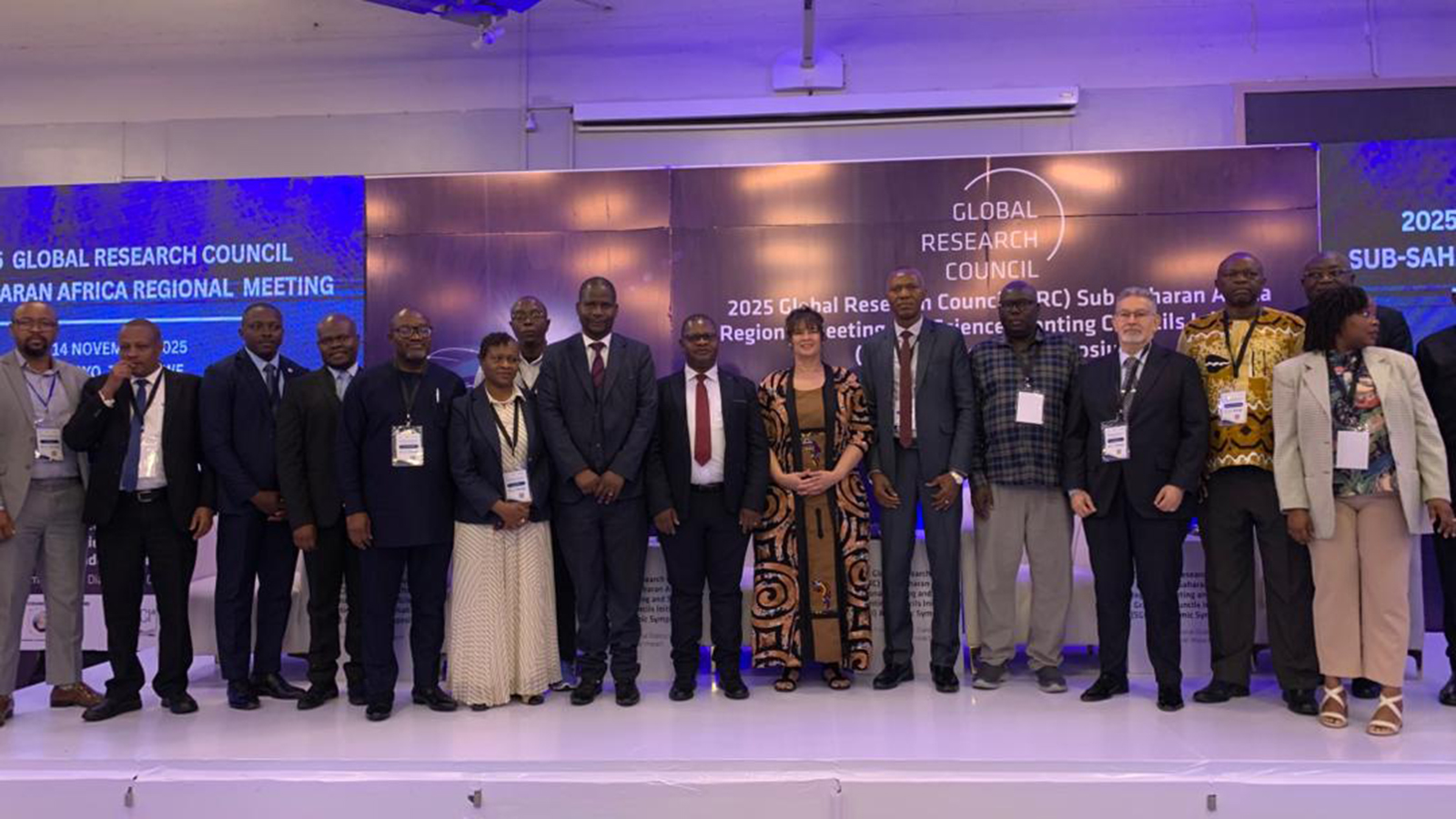
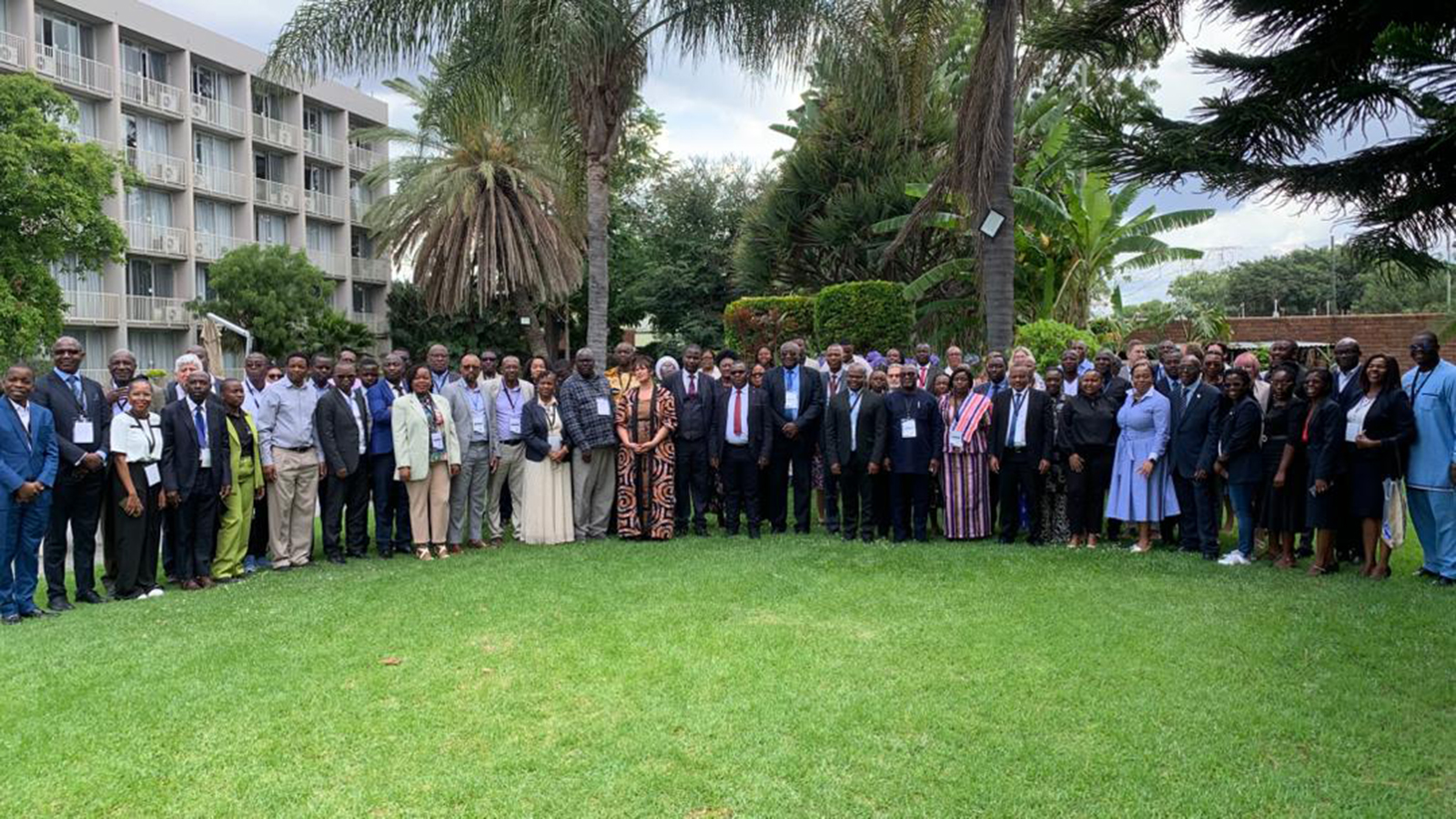
The call emerged at the 2025 Global Research Council Sub-Saharan Africa Regional Meeting and Science Granting Council Initiative Academic Symposium in Bulawayo.
Permanent Secretary for Lands, Agriculture, Fisheries, Water and Rural Development, Professor Obert Jiri, said it was critical to adopt a new inclusive paradigm that is “inherently inclusive, deliberately equitable and unwaveringly focused on sustainable outcomes.”
Prof Jiri warned that Africa’s challenges, such as climate-induced droughts, water scarcity and rural economic transformation, cannot be effectively addressed with traditional approaches.
“For too long, the gates of scientific knowledge have been locked for many of our communities and even for our early-career researchers. We must reimagine an Open Science that is truly inclusive,” he stated.
Prof Jiri outlined several key priorities for the continent’s research future, including democratising access to data, valuing indigenous knowledge, building local capacity and bridging research with communities to ensure solutions are co-created and effectively implemented.
Research Council of Zimbabwe board chairperson, Air Commodore Dr Edger Kamusoko, described AI as a defining feature of the emerging “fifth industrial revolution,” noting its potential to transform economies.
“With artificial intelligence, we have the opportunity to develop our economies,” said Dr Kamusoko.
However, he stressed the importance of ethical regulation, warning that without it, AI may not serve Africa effectively.
He added that while previous industrial revolutions were capital-intensive, AI presents an opportunity for Africa to leapfrog into new industries with lower barriers to entry.
Prof Jiri reinforced the need for AI-driven research to be co-created with communities rather than imposed as “pre-packaged solutions.”
He emphasised that research should anticipate future challenges, from pandemics to digital disruptions, ensuring that ownership of results lies with the affected populations.
“The silo mentality is wrong,” he stated. “AI and other technologies will only be impactful if they are applied across disciplines and co-created with those affected.”
He cited the “One Health” model, which integrates agriculture, veterinary and health sciences, as an example of interdisciplinary research leading to effective solutions. Tanzania’s Commission for Science and Technology (COSTECH) Director General, Dr Amos Nungu, noted that the meeting allowed 24 research granting councils to unify their positions ahead of the Global Research Council’s annual summit in Thailand next year.