admin
adminNyasha Kada
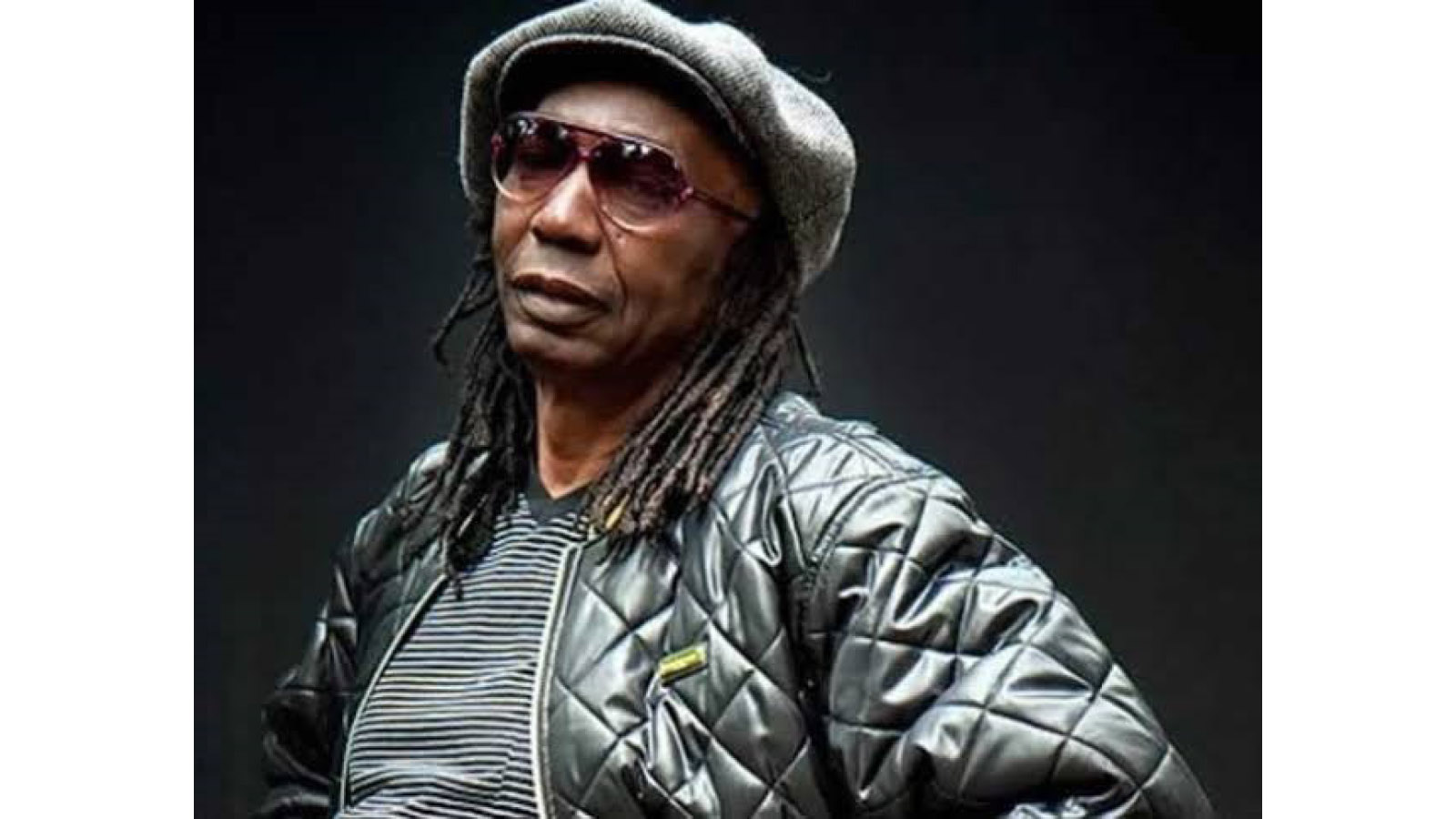
PAN African music outfit, the Original afriCANs, have released a new song titled Mangoma Kutapira.
The outfit, which is led by Nyevero Muza, has released the all-time classic Manhanga Kutapira and named it Mangoma Kutapira on a modern amapiano sound.
The song was mixed and mastered by William Sipho Maseko at PRS Studio in South Africa.
“The story of Mangoma Kutapira is about mbira meeting amapiano or Mzansi meeting Zimbabwe, if you like,” said Muza.
“It’s a story of cultural exchange and cooperation.
“In our Shona custom, we say ‘zvikomo zviri pedo zvinotambidzana mhute’.
“As musicians, we seek to heal what’s broken and we have to start from somewhere, even if it’s only at the level of a song.”
Amapiano is a trending sound and the remix was done so the new generation might familiarise with the classic song.
“Amapiano is an amazing sound, which is trending all over the world.
“It can’t be ignored but, in all fairness, we didn’t just jump onto it, we made a carefully considered decision.
“We just didn’t copy and paste the amapiano sound, we adapted it to our own tradition by seeing an old marimba classic (Manhanga Kutapira) through contemporary Amapiano eyes, which gave the age-old song a new lease of life as Mangoma Kutapira in a way ama2000 and international audiences can relate to.
“We view Amapiano as a vehicle to take our Zimbabwean sound and culture to newer and wider audiences and we like to think that in this song, neither genre dominates or dilutes the other, they stand on an equal footing and complement each other, with the common goal of bridging cultural experiences or viewpoints.”
He added:
“Another reason why we decided to fuse Mbira with Amapiano is that the latter borrows from jazz, a genre that heavily influences the Original afriCANs’ soundscape.
“Mangoma Kutapira spotlights our main traditional music instruments (mbira, marimba and ngoma), and celebrates how sweet they sound together.
“It also celebrates one of our iconic dances from Mashonaland East Province, the Mbende Jerusarema, which is part of Zimbabwe’s UNESCO Intangible Cultural Heritage.
“We have a rich musical heritage and we have tapped into that reservoir to produce this beautiful song.”



 Online Reporter