Online Reporter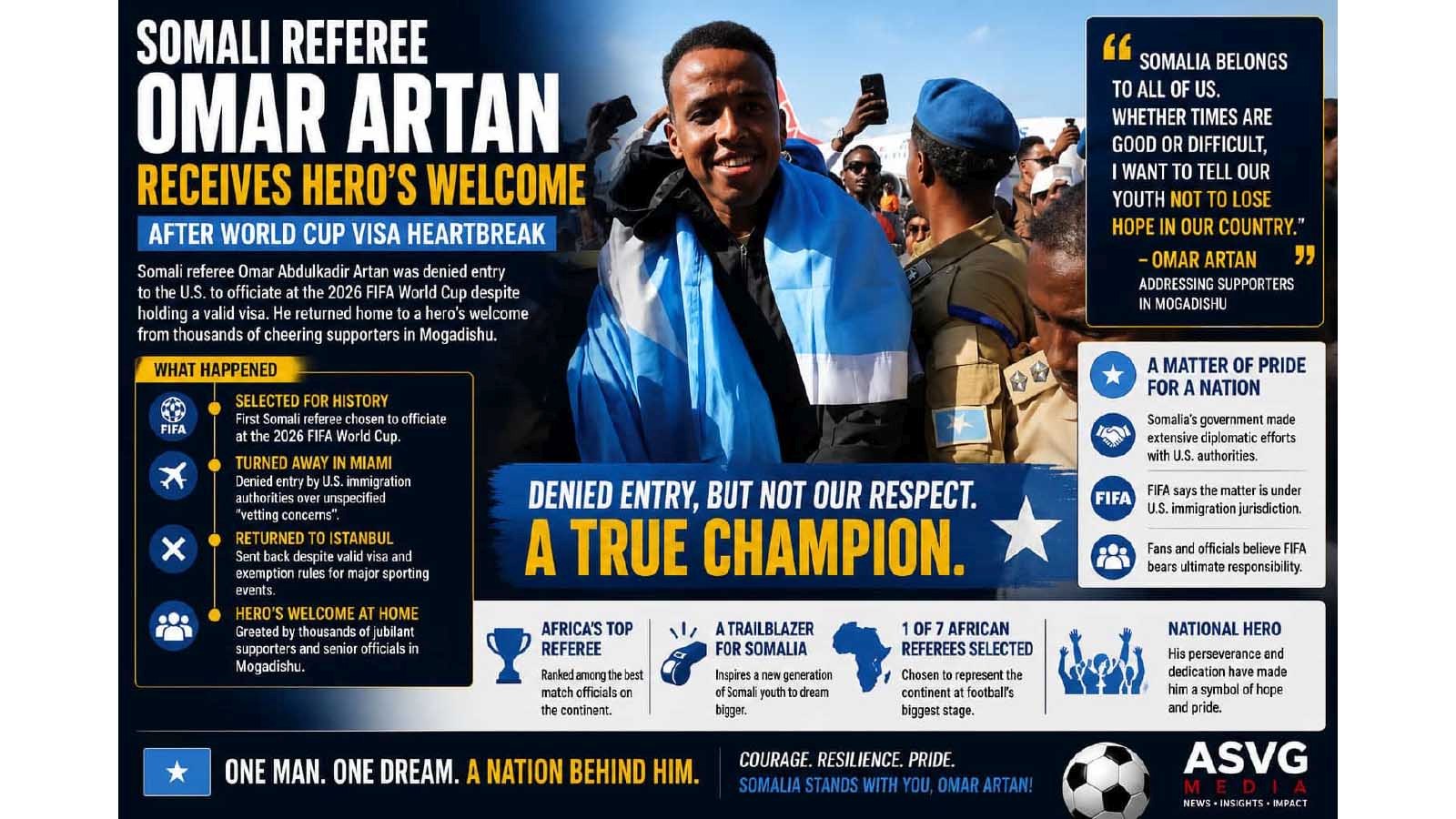
WHEN South Africa and hosts Mexico clash tonight, the game will have considerable African interest.
It will also evoke memories of the day when a ball was kicked, for the first time, at a FIFA World Cup match in Africa, sixteen years ago.
Then, just like now, the two countries will open the World Cup.
But, for Africa, unlike the pride which swept across a continent hosting the tournament for the first time in 2010, things are different now.
The attacks on African nationals by some South African militants in the xenophobic madness, in recent months, means support for Bafana Bafana will not be widespread on the continent.
Thousands of African fans, who wanted to be in the United States to support their teams at this World Cup, are still stranded at home because they couldn’t secure visas to make the trip.
The DRC are returning to the World Cup for the first time in 52 years but their fans have been barred from travelling to the United States because of the Ebola outbreak.
Then, there is the outrage and anger over the way Africa’s top referee, Omar Artan, was ill-treated when he was refused entry into the United States after arriving in Miami for what was supposed to be an historic assignment.
It’s the first time this has happened in the 96-year history of the World Cup.
Artan, who was named the best referee in Africa last year, was set to be the first Somali referee to handle a game at the World Cup.
He was also set to get a US$100,000 jackpot.
Yesterday, he returned to Mogadishu a national hero’s welcome and was received by a delirious crowd of supporters and officials.
He was escorted by police officers to the airport’s VIP terminal, where he was welcomed by Somalia’s Sports Minister and other dignitaries, and spoke to journalists.
“What happened has happened and it was unfortunate. I am grateful for the support FIFA gave me,” Artan said.
“Somalia is ours, whether things are good or bad. I want to tell our youth not to lose hope in our country. I am now in my country, and there is no other place I want to be.
“I promise you, God willing, that I will attend the next one. I want the Somali public to take comfort in this and remain confident.”
US officials claim he was linked to some “terrorist” cells and was a threat to their national security.
Somali Prime Minister, Hamza Abdi Barre, hosted Artan yesterday, writing on X that the referee has“already won the hearts of millions and secured his place in history.
“He devoted himself to ensuring that football was decided by merit, yet fate denied him the stage he so richly deserved,” Barre said.
The United States’ highly unusual move to deny a FIFA-appointed match official permission to enter a World Cup host country drew outrage across the world.
It has also raised questions among some fans about America’s capacity to host the competition.
Somalia is one of nearly 40 countries subject to new travel restrictions under the Donald Trump administration’s crackdown on immigration.
Yesterday, the United Nations’ top human rights official called for a “massive rethink” of immigration policies, especially in the United States, during the World Cup.
In a country where decades of war and the rise of the al-Qaida-linked al-Shabab extremist group have limited the potential of many in Somalia, Artan’s denial brought disappointment but reminded people what is possible if they chase their dreams.
Artan’s expected milestone at this year’s World Cup “stands no matter what,” the World Health Organisation Director-General Tedros Adhanom Ghebreyesus – who is from neighboring Ethiopia – wrote Tuesday on X.
“You reached the summit of your profession and inspired a generation back home just by getting there, and being kept off the pitch you earned doesn’t change that.” – Sports Reporter/AP/The Guardian


 Bongani Ndlovu