

 daniel chigunwe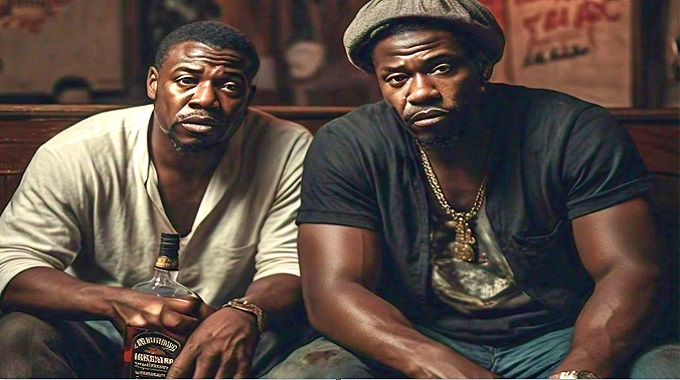
Examining alcohol consumption in Zimbabwe
In recent years, concerns have grown regarding Zimbabwe’s increasing rates of alcohol consumption.
With taverns, bars, and liquor outlets cropping up even in the smallest towns and villages, there is a pressing question:
Are we becoming a nation of drunkards? This question isn’t only pertinent for public health advocates and policymakers but also resonates with business leaders, economists, and society at large as alcohol consumption increasingly influences various sectors of our economy and social fabric.
Understanding the roots and implications of this trend helps us see how it affects both individuals and the nation, driving business while challenging the values and productivity we uphold as a society.
Statistics and anecdotal evidence point toward a steady rise in alcohol consumption in Zimbabwe. The growing demand for local brews, imported whiskies, gins, and other spirits speaks to an appetite that crosses economic, social, and demographic boundaries.
According to a report by the World Health Organisation (WHO), alcohol consumption in Zimbabwe has gradually increased over the last decade. This trend is particularly notable among young adults and rural populations, where alcohol often serves as an escape from economic hardship. Moreover, Zimbabwe is experiencing a rise in non-traditional alcoholic beverages such as ciders and cocktails, especially among the youth.
The prevalence of bars and restaurants offering extensive drink menus in urban areas underscores how alcohol has become central to social activities. In some ways, alcohol appears to have become part of the national culture, from family gatherings to weekend hangouts with friends.
The liquor industry is undeniably lucrative. Zimbabwe’s alcohol market, which includes both small-scale brewers and large corporates, contributes significantly to the economy. It provides jobs in manufacturing, sales, distribution, and retail, along with generating tax revenue for the government.
Investments in the liquor business have proven resilient even amid economic downturns. While other sectors suffer under inflation and unstable currency values, alcohol businesses continue to thrive, demonstrating strong demand elasticity.
This resilience stems, in part, from the fact that for many Zimbabweans, alcohol is more than a luxury, it’s a coping mechanism. Economic challenges and high unemployment rates have spurred some to seek temporary solace in alcohol, creating a reliable consumer base for producers and retailers. The low price point and cultural significance of these beverages contribute to their enduring popularity, even as competition from industrial brews grows.
While alcohol boosts business, it also brings notable social and health challenges. Health authorities are increasingly concerned about alcohol-related diseases, including liver cirrhosis, heart disease, and various cancers.
Additionally, the mental health implications are substantial, with alcohol often contributing to depression, anxiety, and in some cases, suicidal tendencies. Another concerning aspect is the impact on family life and community relations. Alcohol abuse is frequently associated with domestic violence, a crisis that Zimbabwe has grappled with for years.
Reports from advocacy groups indicate a strong correlation between high alcohol consumption and cases of gender-based violence. Children growing up in such households are also affected, often replicating similar behaviours as adults, perpetuating a cycle of dependency and abuse.
Furthermore, Zimbabwe’s youth, facing unprecedented unemployment and socio-economic instability, are highly vulnerable to alcohol abuse.
With fewer employment prospects and limited recreational activities, many young people turn to alcohol as an outlet.
This can have long-lasting consequences for future productivity and economic growth, as a society with high rates of substance abuse faces challenges in building a stable and industrious workforce.
Alcohol has always been part of Zimbabwean culture, from ceremonial consumption in traditional gatherings to social drinking in urban settings.
However, there’s a fine line between traditional cultural practices and the contemporary reality of binge drinking.
While previous generations may have practiced moderation or consumed alcohol within strict cultural confines, today’s patterns reflect a more liberal, sometimes uncontrolled approach to drinking.
The influence of media and globalisation plays a role here. The portrayal of alcohol consumption in films, social media, and popular culture has made drinking seem glamorous and aspirational.
Many young Zimbabweans, seeing this in both local and foreign media, might view alcohol as a symbol of success or a way to fit in with Westernised social norms. This trend toward normalization and glorification of alcohol consumption points to a broader cultural shift.
Regulating the sale and consumption of alcohol remains challenging. Zimbabwe has existing laws on legal drinking ages, licensing requirements, and taxes on alcoholic products, but enforcement often falls short.
Underage drinking, for instance, remains an issue in many areas due to lax oversight and the ease with which young people can purchase alcohol from unlicensed sellers.
There are also gaps in addressing issues like drunk driving, alcohol sales near schools, and advertising restrictions.
Unlike in some other countries where alcohol advertising is heavily regulated, Zimbabwe lacks stringent controls, exposing young people to relentless marketing that glamorizes drinking.
Strengthening these regulations could curb excessive consumption but would also need to consider the potential economic impact on businesses reliant on alcohol sales.
Finding a balance between the economic benefits of alcohol sales and the social costs of excessive consumption is crucial. As Zimbabwe navigates this complex issue, there are several strategies worth considering.
Launching public awareness initiatives to educate people about responsible drinking and the health risks associated with alcohol abuse can be highly effective.
Targeted campaigns, particularly in schools and universities, could help foster a culture of moderation among young people.
Updating and enforcing alcohol-related laws can address many issues surrounding accessibility and excessive consumption. This could involve stricter enforcement of age limits, more robust licensing requirements for vendors, and regulating the marketing of alcohol products.
Investing in mental health and substance abuse programs can offer alternative coping mechanisms for those struggling with unemployment and economic hardships.
Encouraging communities to engage in productive activities and sports could redirect youth away from substance abuse.
Supporting local brewers to focus on non-alcoholic beverages could diversify the market, giving consumers more choices while still supporting local businesses. This can create a new sector within the beverage industry, providing a business opportunity with lower social risks.
So, are we a nation of drunkards? The question itself highlights the need for introspection. Alcohol consumption in Zimbabwe has economic advantages, creating jobs and supporting local enterprises, but it also presents serious health and social challenges.
Tackling this issue requires a concerted effort from both the government and private sector to create policies that promote responsible drinking while safeguarding public health.
Ultimately, the path forward depends on our ability to prioritize long-term societal well-being over short-term economic gains.
By addressing the root causes driving high alcohol consumption, from unemployment to cultural pressures, we can foster a balanced approach that benefits both individuals and the economy.
As Zimbabweans, it’s up to us to decide whether we want to be defined by our productivity and resilience or by our indulgence and escapism.
Timothy Pemba is a student of the Decolonisation of Africa with a deep interest in the continent’s socio-economic transformation and its role in the global landscape. He writes in his capacity; that opinions expressed do not reflect the views of any organizations he may be associated with. He can be contacted via email at [email protected]


 Online Reporter