

 admin
admin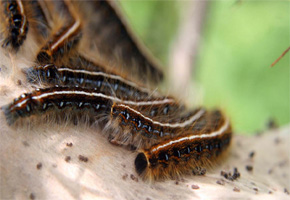
In an interview yesterday, Mr Chamisa said the affected areas are Gokwe South, Gweru, Kwekwe’s Zhombe and Silobela areas and Shurugwi.
He said his department has since mobilised farmers into spraying gangs or units to combat the armyworm invasion.
“We have already started spraying in all the affected areas. Agritex is giving farmers chemicals in the affected areas where the worm has been identified. We first teach the farmers how to spray the worms in our efforts to combat the invasion. The affected areas are mainly Gokwe Centre in the Chisina and Kuwirirana stretch. In Kwekwe we have some parts of Zhombe and some parts of Silobela affected while in Gweru the armyworm is mainly found along the Gweru-Bulawayo Highway in the Somabula area. In Shurugwi the armyworm is in Ward 12, Tongogara District,” said Mr Chamisa.
The Midlands Provincial Agritex Officer said his office was receiving more chemicals from their head office to beef up the depreciating stocks.
Mr Chamisa expressed concern with the Gokwe outbreak, which he described as unusual.
“We do not usually alert people in Gweru because it is endemic, especially in areas like Mkoba. We noted that this time in Gokwe we had an armyworm invasion because the weather has been ideal for the hatching of the caterpillars. This is why we have widespread invasions this time. However, the situation in all districts is under control. Our teams are out there working with farmers to combat the invasion,” he said.
He urged farmers in the affected areas to be proactive and move fast to save their crops by spraying the armyworms on their own without waiting for Government assistance.
“We encourage farmers to alert us fast if they happen to identify the armyworm. However, if the farmers have chemicals, they should just start spraying and protect their crops because at times our reaction can be slow. There are times when we are also faced with mobility challenges. Farmers should be, thus, proactive and be prepared to deal with the armyworm invasion on their own,” said Mr Chamisa.
Mr Chamisa said if pastures are invaded, farmers should not worry much on spraying them as nature can take control.
“They can only think of spraying pastures if the worm is covering a larger density per square metre. Normally birds often eat these armyworms making it unnecessary at times to spray the pastures. In the event that there are too many armyworms, it is advisable for farmers not to rush to let in their livestock into the grazing area as this could kill them,” he said.
He, however, urged farmers to first engage experts like Agritex officers on which chemical to use.
Mr Chamisa said they recommended that farmers use Carbaryl 85 WP to spray their crops and pastures.
“If they use any other chemical, the result could be disastrous and fatal. There are some farmers who are using DDT and cotton spraying chemicals. These are poisonous and they get into the plant system, affecting life. Farmers should first engage experts before using chemicals. They can even contact the police to help them contact us.
“Getting in touch with us should, however, not be a big challenge, as we have structures even at grassroots level. We have structures at district and ward level. We are there on the ground so farmers can easily get in touch with our extension officers for professional advice,” he said.
The Agritex boss in the Midlands said they hoped the rains would continue to fall, as they drive away the armyworm.
“The armyworm does not thrive when it is raining persistently. It does not have a chance under such conditions and eventually it disappears. However, my advice to farmers is that they should first seek professional advice when they experience an armyworm invasion in their area,” he said.



 derick.khumalo
 Online Reporter