Online Reporter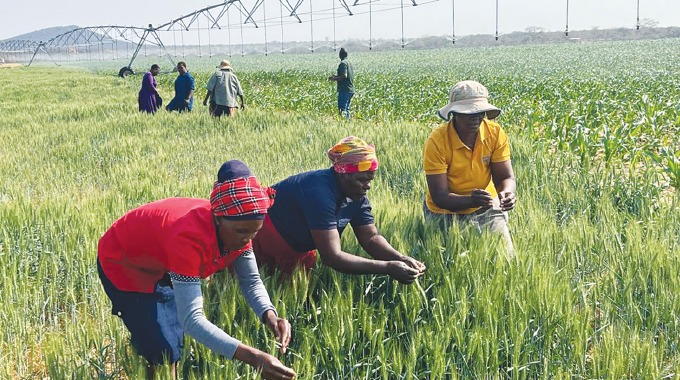
Lungelo Ndhlovu, Features Correspondent
FOR many years, farming in Zimbabwe has depended heavily on the rains. When the rains come on time, farmers plant and harvest. When they fail, crops dry up, livestock suffer and food prices can rise.
But climate change is making rainfall less reliable. With another possible El Niño season approaching, Zimbabwe is looking for ways to keep producing food even when the rains are poor.
One of the solutions gaining attention is to combine the country’s dams with solar power to expand irrigation.
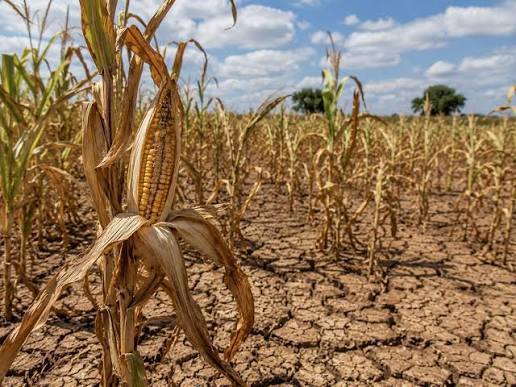
In May, Zimbabwe’s Meteorological Services Department (MSD) warned of an 88 percent to 94 percent chance of El Niño conditions developing during the 2026/27 rainy season. El Niño is often linked to below-normal rainfall in Zimbabwe and other parts of southern Africa, bringing the risk of dry fields, low water levels and poor harvests.
Although the forecast could change as the rainy season approaches, the warning is already encouraging the country to prepare.
At the recent 8th Meeting of the International Solar Alliance Regional Committee for Africa in Victoria Falls, Energy and Power Development Minister July Moyo said Zimbabwe needed to make better use of its dams.
“A dam is not a project. A project is what you do with the water that you will have kept in one place,” Minister Moyo said.
Zimbabwe has more than 10 000 dams, he said. But storing water is only part of the challenge. The water must also reach farmers and their crops.
Minister Moyo said the Government wants to work with private companies to expand irrigation around these water sources so that farmers can continue producing food when rainfall is poor.
The challenge is that many rural areas are far from the national electricity grid. Even where electricity is available, farmers face power cuts and high electricity costs. This is where solar power could make a difference, according to government.
Solar panels can provide electricity to run irrigation pumps without relying on the national grid. Once installed, the systems can produce electricity for years using sunlight that is freely available.
Minister Moyo said solar power could also help bring electricity to rural communities through Village Business Units. The plan is to establish about 35 000 of these units, one for each village in the country.
The units are expected to provide electricity for farming and small businesses and could also improve access to power for schools and other public facilities.
Zimbabwe has already expanded electricity access in rural areas. About 84 percent of the country’s primary and secondary schools have been reached through the rural electrification programme, according to Minister Moyo.
Adding solar-powered irrigation to these efforts could allow rural communities to produce food even when the national power system is under pressure.
The idea is also attracting attention beyond Zimbabwe. According to Mr Ashish Khanna, Director General of the International Solar Alliance, solar power could help African countries make better use of both farmland and water.
“Women do much of the farm work across Africa, but only about four percent of the continent’s farmland is irrigated,” Mr Khanna said.
Solar-powered irrigation, he said, could therefore have important benefits for women farmers, who are heavily involved in agriculture across the continent.
Solar water pumps could reduce the time and physical effort farmers spend getting water to their fields. They could also reduce reliance on diesel pumps, which are expensive to operate and contribute to pollution.
“For women farmers in particular, reliable water close to the fields could reduce the amount of time spent carrying water or waiting for pumps to work,” Mr Khanna said.
The benefits of solar power could continue after crops are harvested.
Many farmers are forced to sell their produce quickly because they do not have access to cold storage. When many farmers sell at the same time, prices can fall, leaving them with little choice but to accept lower prices.
Mr Khanna said solar-powered cold rooms could give farmers more time to sell their produce.
“Solar-powered cold rooms could allow farmers to keep vegetables, fruit and other food fresh for longer. This would give them more time to find better prices and reduce food waste.”
Another possibility is to use the same land to produce both food and electricity.
Mr Khanna said the International Solar Alliance is looking at agrivoltaics, an approach in which solar panels are installed above farmland while crops continue to grow underneath.
This could be useful in Zimbabwe, particularly in areas where temperatures are high. The panels can provide shade, which can protect some crops from extreme heat and reduce the amount of water lost from the soil.
“For Zimbabwe, this could be useful in areas where farmland is limited or where high temperatures make farming difficult,” Mr Khanna said.
The International Solar Alliance is studying which crops and locations are best suited to the approach.
Mr Khanna pointed to India as an example of the potential scale. He said using just one percent of India’s farmland for farming under solar panels could produce about 1 000 gigawatts of electricity.
Zimbabwe would use the idea on a much smaller scale, but it could be useful for vegetables and other crops that can benefit from some shade.
Still, moving towards solar-powered agriculture will require more than simply buying and installing panels.
Mr Khanna said countries need clear rules, funding and skilled workers if solar power is to grow on a large scale.
One challenge is the complicated process businesses can face when entering the solar market. Long licensing processes and other regulations can discourage investment.
There is also the problem of poor-quality solar equipment, Mr Khanna acknowledged.
“As demand grows, cheap and low-quality panels, batteries and pumps can enter the market. Some may stop working after a short time, leaving farmers with losses and making them less willing to trust solar technology.”
Mr Khanna said countries need clear standards, testing centres and lists of trusted suppliers to protect consumers.
For example, Zimbabwe will also need more people who can install, repair and maintain solar equipment.
“That could create opportunities for young people to train as solar technicians, engineers and business owners. The International Solar Alliance is supporting programmes such as SolarX, which helps African start-ups develop businesses linked to solar energy,” he said.
For Zimbabwe, this could mean creating jobs while expanding access to reliable energy in rural communities. Solar equipment does not last forever. Panels and batteries eventually have to be replaced. If they are simply thrown away, they could create another waste problem.
The International Solar Alliance said they have started looking at ways to reuse and recycle solar equipment. Mr Khanna said up to 98 percent of solar photovoltaic and battery waste can be recycled.
“For Zimbabwe, developing recycling businesses could create jobs while reducing pollution. The potential benefits of solar-powered agriculture therefore go beyond electricity. Solar irrigation could help farmers use water stored in dams more effectively.
“Solar-powered cold storage could allow them to keep produce for longer and avoid selling when prices are low. Growing crops under solar panels could help some farmers cope with extreme heat while producing electricity at the same time,” he said.