Online Reporter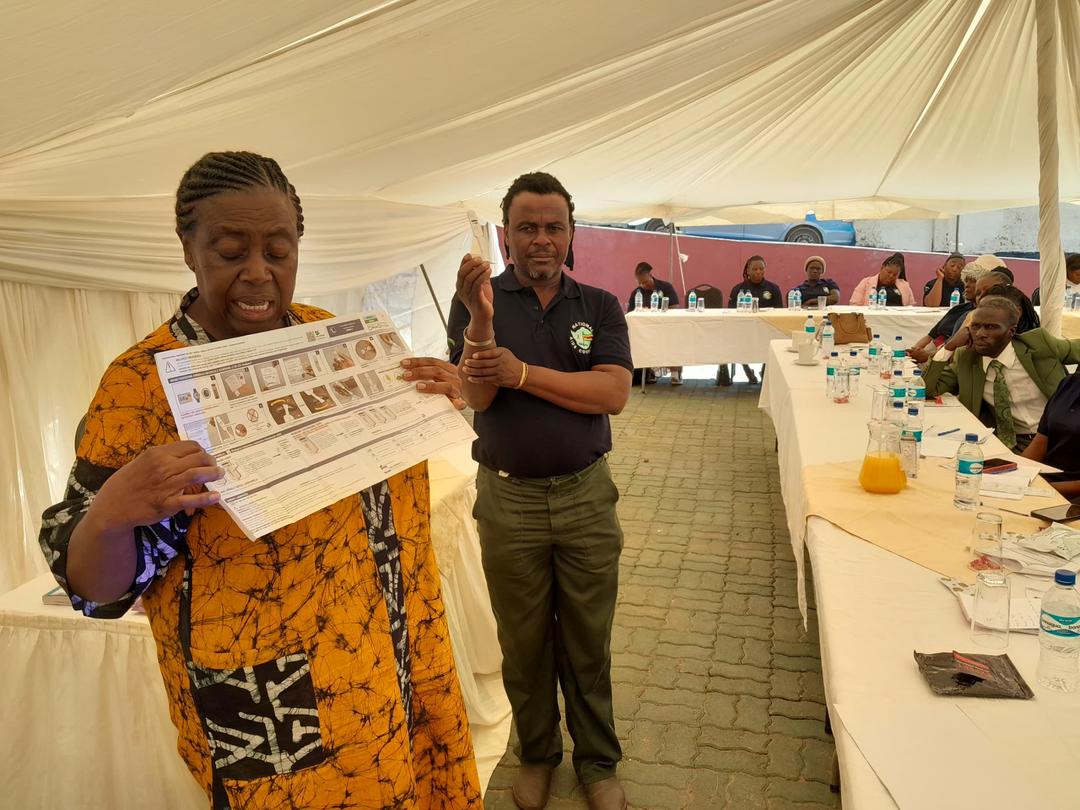
Trust Freddy, Features Correspondent
FOR years, when sickness struck in rural and peri-urban communities, many people turned first to a traditional healer, herbalist or faith healer.
For some, that decision came at a cost.
People died from diseases such as tuberculosis (TB), cancer, malaria and cholera after seeking help from trusted community healers who did not recognise the symptoms or understand when a patient needed urgent medical attention.
For decades, the health system blamed traditional and faith healers for delaying patients’ access to conventional treatment.
But what if, instead of blaming them, the health system taught them?

That appears to be the thinking behind a renewed drive by the National AIDS Council (NAC) to engage traditional healers and herbalists, recognising their influence and their position as the first point of contact for healthcare for many Zimbabweans.
In Zvishavane recently, the NAC, in partnership with the Traditional Medical Practitioners Council of Zimbabwe (TMPCZ), brought together more than 50 herbalists, faith healers and traditional practitioners from the southern region for a three-day national sensitisation workshop on HIV, TB and non-communicable diseases (NCDs).
A similar workshop was held in Macheke last month for practitioners from the northern region.
Together, the two workshops covered practitioners from all 10 provinces, with participants travelling from as far as Hwange, Victoria Falls, Bulawayo and other parts of the country.
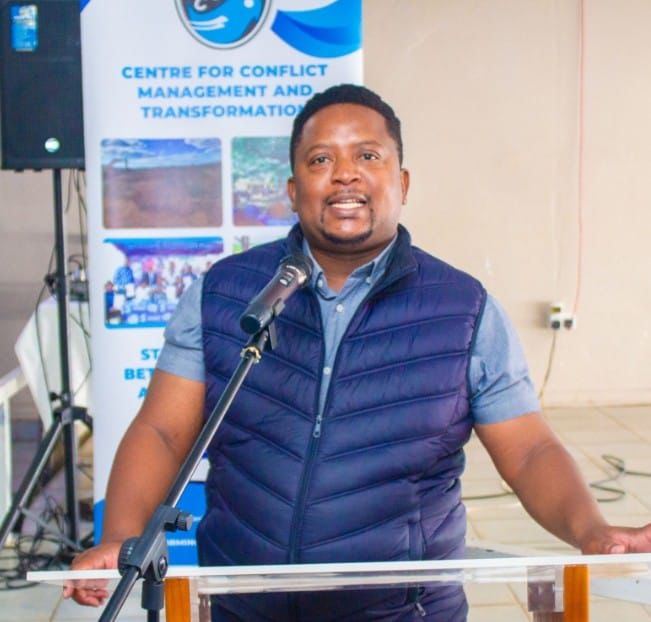
“The fight against HIV and AIDS cannot be won through biomedical interventions alone,” NAC board member Dr Gilbert Chahwanda said in his opening address.
“It requires community participation, the integration of cultural knowledge, and the active involvement of traditional healers — trusted custodians of health and wellbeing across Zimbabwe.”
The initiative is part of the Zimbabwe National HIV and AIDS Strategic Plan 2026-2030, which targets zero new HIV infections, zero AIDS-related deaths, zero stigma and discrimination, while strengthening the response to NCDs.
But this is not simply a campaign to sensitise healers.
The programme seeks to turn them into an extension of the country’s public health response.
NAC says trained practitioners will be equipped to distribute HIV self-test kits, link people at risk of HIV infection to pre-exposure prophylaxis (PrEP), trace clients who default on treatment and counsel patients on condom use.
“We are integrating traditional health practitioners into the mainstream health system so that we work together,” said NAC board member Ms Beatrice Dupwa.
“Those who test positive will be referred immediately for treatment initiation and viral load monitoring.
“Our goal by 2030 is zero new HIV infections, zero AIDS-related deaths, and zero stigma and discrimination. That starts with us in both the conventional and traditional sectors saying, let us work together.”
For some practitioners, the workshop exposed gaps in their knowledge that they had not previously recognised.
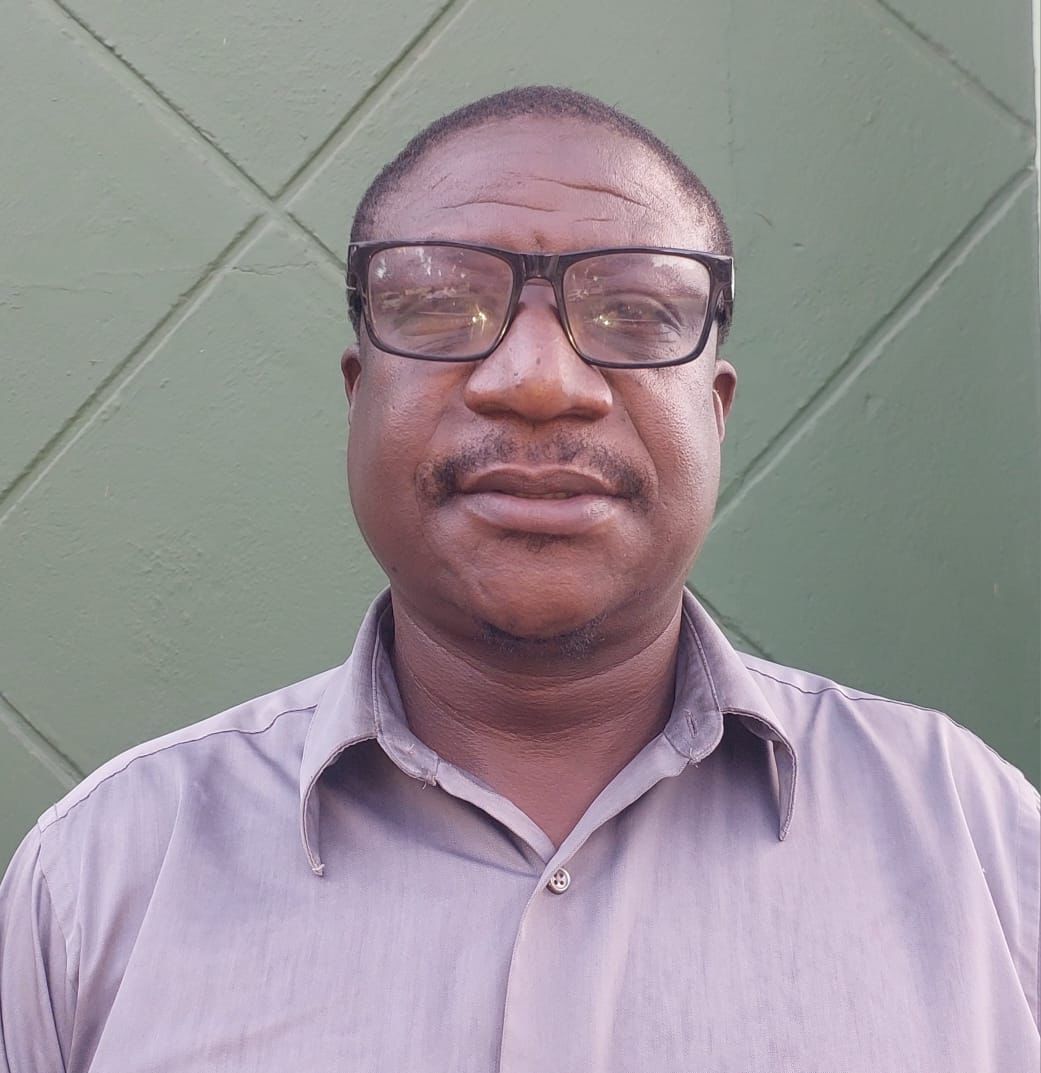
Mr Moses Chareka, popularly known as Dr Chaxy, from Guruve, said he had “lost count” of the number of people he had helped over the years.
But after sessions with officials from the Ministry of Health and Child Care and NAC, he realised there was much more traditional practitioners could do — and much more they needed to learn.
“I have just learnt that as traditional healers, we can also deal with other STIs such as syphilis,” he said.
“Going forward, we shall also be tracing the source of the disease so that it does not continue to spread. Just like in hospitals, if a man comes we will ask him to bring his wife and anyone he suspects.”
More importantly, Mr Chareka said practitioners had been encouraged to recognise their limits and refer patients to conventional health facilities when necessary.
“There is no need for stigma. As traditional healers we should play our part, then give medical doctors cases they can diagnose,” he said.
“It is our hope that when doctors notice things that are mysterious, they also refer such cases to us. Let our relationship be reciprocal.”
For practitioners working in remote communities, access to basic diagnostic tools could make that partnership even more effective.
“Fast-track giving us test kits. Village health workers have them. If we have rapid testing kits for HIV and BP, we can make quick referrals because the community usually first approaches us,” Mr Chareka said.
The training also confronted some of the harmful practices that can put vulnerable people at risk.
Ms Dupwa warned practitioners against using cultural or spiritual explanations to justify abuse, particularly of children and young women.
“You can’t say the spirit of the dead wants a young virgin girl who is not yet 18, and never encourage young girls to be married against their will,” she said.
The message is significant because not all harmful practices necessarily arise from malice. In some cases, they are perpetuated through misinformation, limited access to health education and deeply rooted beliefs about illness.
The workshops therefore sought to create a space where traditional practitioners could retain their cultural role while gaining knowledge that could help them identify conditions requiring conventional medical intervention.
Ms Margret Mbudaya, a traditional healer from Zvishavane, also highlighted the potential of indigenous knowledge, particularly in the use of medicinal plants.
“In villages, if a person gets bitten by a snake, there is always someone who knows an antivenom herb. People survive. Yet we complain of shortages and import,” she said.
“If we work together we can mass produce such herbs. But because of stigma, traditional healers are afraid of divulging their herb because it can be stolen. That needs to be worked on.”
Her comments point to another challenge — how Zimbabwe can preserve indigenous knowledge while ensuring that traditional remedies are properly researched, documented and used safely.
TMPC acting registrar Mr Givemore Kanda said the council wanted traditional practitioners to be registered with their nearest primary healthcare facilities so that conventional health workers could identify them and establish working relationships with them.
“We are guided by President Mnangagwa’s mandate. He says that we are the custodians of this country and that we should build it. As such, we are also looking to traditional healers to use traditional medicine and ancestral knowledge to contribute to universal access to health services,” he said.
For Mr Vusumuzi Moyo, a traditional healer from Bulawayo, the training was also an opportunity to confront an uncomfortable reality.
“Some deaths in the care of traditional healers occur because of ignorance,” he said.
“We are grateful to have been equipped with knowledge on how to manage these diseases. We have learnt that we are community leaders, and we must lead by example by holding counselling sessions and encouraging people to practise safe sex.”
That recognition marks a significant shift in the relationship between the conventional health system and traditional practitioners.
For years, the relationship was defined by suspicion.
Patients were sometimes caught between two systems, while health authorities blamed traditional practitioners for delays and traditional healers accused conventional medicine of dismissing indigenous knowledge.
The NAC initiative suggests that the better approach may be collaboration.
In her session, Ms Dupwa provided a step-by-step demonstration on the correct application of both male and female condoms.
She encouraged traditional healers and herbalists to champion safe sex in their communities and regularly advise clients on condom use as a vital measure against HIV and other sexually transmitted infections.
The discussions also covered cholera and malaria prevention, as well as collaborative measures to combat drug and substance abuse.
The significance of the programme goes beyond HIV.
If traditional healers are indeed the first people many Zimbabweans consult when they fall ill, then equipping them with accurate health information could mean the difference between delayed treatment and timely referral.
The challenge now is to ensure that the training does not end when the workshops do.
Traditional practitioners will need continued training, access to testing and referral tools, clear referral pathways and sustained engagement with clinics and hospitals.
The health system may also need to overcome its own mistrust of traditional practitioners.
After all, the question is no longer whether traditional healers are part of Zimbabwe’s health landscape.
They already are.
The question is whether the country can turn their influence into a force for early detection, prevention, referral and better health outcomes — without compromising scientific standards or patient safety.
For a country seeking to end HIV and AIDS as a public health threat by 2030, that partnership could prove critical.