Online Reporter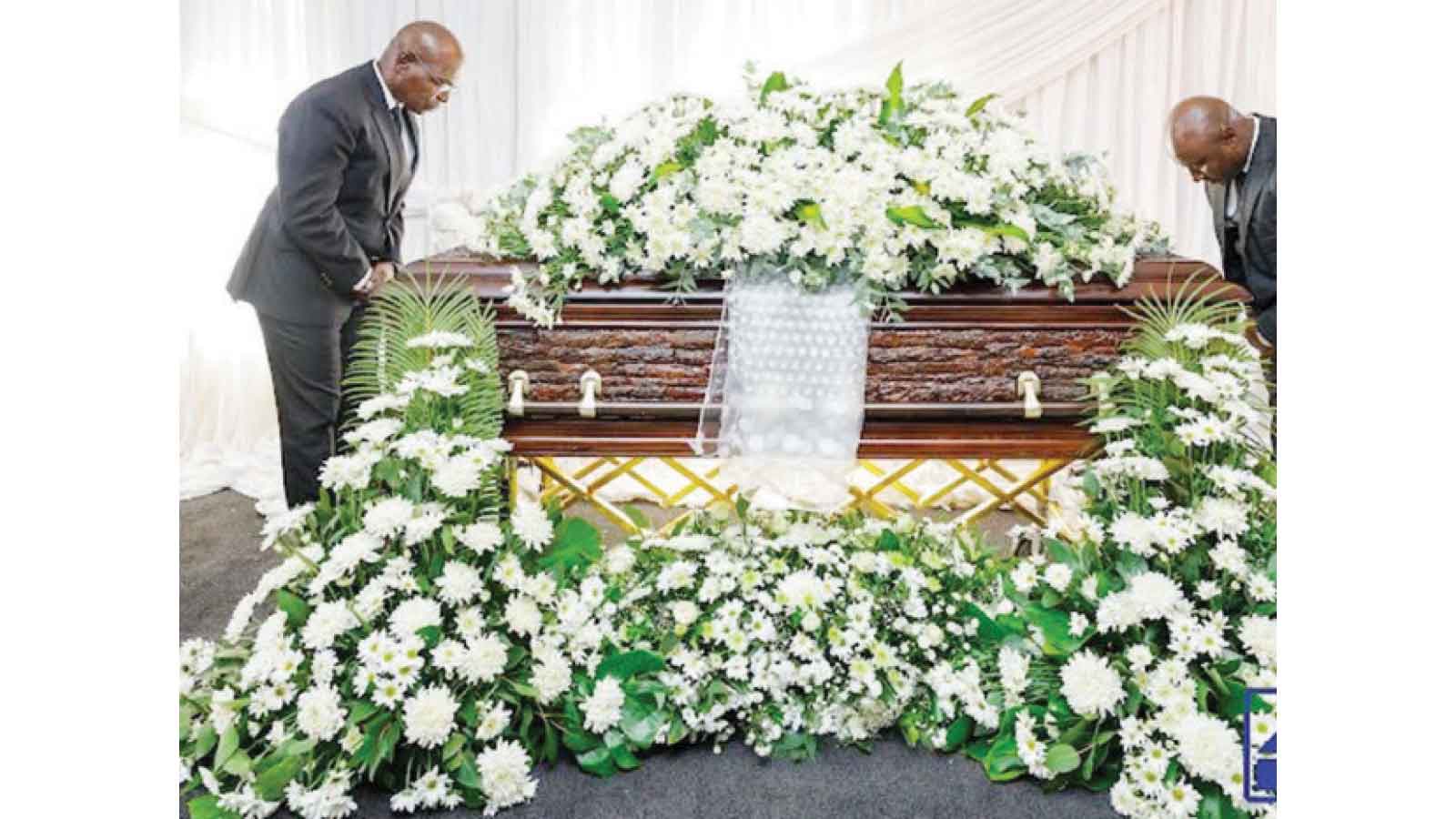
ON the morning of Saturday, May 11, 2024, at Avenues Clinic, in Harare, Chaplain-General Rev Ellison Kamupira passed away.
For years, he had been a steady presence in rooms where families arrived undone.
He stood at the front of chapels and gravesides, speaking into moments that most people never quite learn how to face, and he did so with an instinct that felt less like training and more like second nature.
He knew how grief moved. He knew how quickly it could overwhelm a room, and how firmly it could settle.
What many remember most is the way he used humour, carefully and without spectacle, to lift the weight just enough for people to keep going. A gentle line, placed at the right moment, would move through a gathering and, for a few seconds, loosen something that had been tightly held. It did not take anything away from the loss. It gave people the strength to remain present inside it.
Since his passing away, that balance has been carried forward by the system he helped shape.
Within Nyaradzo, it is often spoken of simply as beauty and the beast. Death is the beast, unaltered in its finality and its certainty.
The work, then, is to surround that moment with enough care, dignity, intention and beauty that those who must face it are not left exposed to its full harshness. That work becomes most visible at the points people struggle to describe.
The body viewing session is one of them.
It is the moment many try to prepare for and never quite can. People approach slowly, sometimes supported, and at other times pausing a few steps away as if distance might delay recognition. And then they look.
There is a shift that happens in that instant, a quiet, irreversible understanding that settles in the body. It is often where grief becomes real in a way words cannot carry.
What surrounds that moment begins to matter deeply. The stillness of the room. The care in presentation. The sense that everything has been handled with patience and respect.
These details do not change what is being faced, but they shape how it is absorbed, how it is remembered.
At the graveside, the weight gathers again.
When the coffin is lowered, time seems to stretch in a way that feels almost physical.
People lean forward, as though closeness might hold something in place for just a moment longer. There is no language that can fully sit in that space. It is not dramatic, but it is final. What remains afterwards is not only the fact of the farewell, but how that moment was carried.
This is where Nyaradzo’s approach becomes clear. The organisation does not attempt to change what these moments are. It shapes what surrounds them.
That shaping can be seen in the way funerals are allowed to reflect the lives they honour.
When Archbishop Ezekiel Guti passed away on July 5, 2023, the farewell carried the unmistakable imprint of his ministry.
Purple, long associated with ZAOGA FIF, moved through the entire service, from the procession to the staging, creating a sense of continuity between the life he led and the way he was laid to rest.
It felt familiar to those who had followed him, as though the final chapter had been written in a language they already understood.
ON November 20, 2025, the passing away of Archbishop Paul Mwazha brought a different expression. White defined the service, in keeping with the apostolic tradition he led. The restraint carried meaning, and the environment reflected it with discipline and care.
The atmosphere did not feel imposed. It felt faithful to his life.
This same attention to identity has extended across the world of sport, where Nyaradzo has carried the farewells of figures whose lives were defined in entirely different arenas.
When Rahman Gumbo was brought home in 2023, when goalkeeper George Chigova was laid to rest in November of the same year, and when rugby legend Aaron Jani was honoured in February 2025 after a long battle with illness, each service was shaped to reflect the life that had been lived.
Football found its way into the visual language of Gumbo and Chigova’s farewells, from subtle design elements to the tone of the procession itself.
Jani’s service carried the imprint of rugby, not only as decoration, but also recognition.
In each case, the effect was the same. Families and communities were given a farewell that felt true, one that allowed memory to sit alongside loss, and, in doing so, made space for something gentler to remain after the day had passed.
Across all of this, the intention holds steady.
The spaces Nyaradzo has built, the way services are conducted, the care placed into each detail all work towards a single outcome.
People arrive in shock, often unsure of how they will make it through the day.
What they are given is structure, steadiness and an environment that does not deepen the weight they are already carrying.
Rev Kamupira understood the importance of that better than most. He knew that grief does not end at the gravesite. It continues, persistently. But he also knew that the way people are held in those first moments can shape how they carry what comes afterwards. That understanding continues to guide the work.
Death remains what it has always been. It comes without warning, and it leaves nothing untouched. What surrounds it, however, can still be shaped. And in that space, carefully and deliberately, something else begins to emerge — not an escape from grief, but a way to live through it; the beauty to soften the beast.