dyton mupawaenda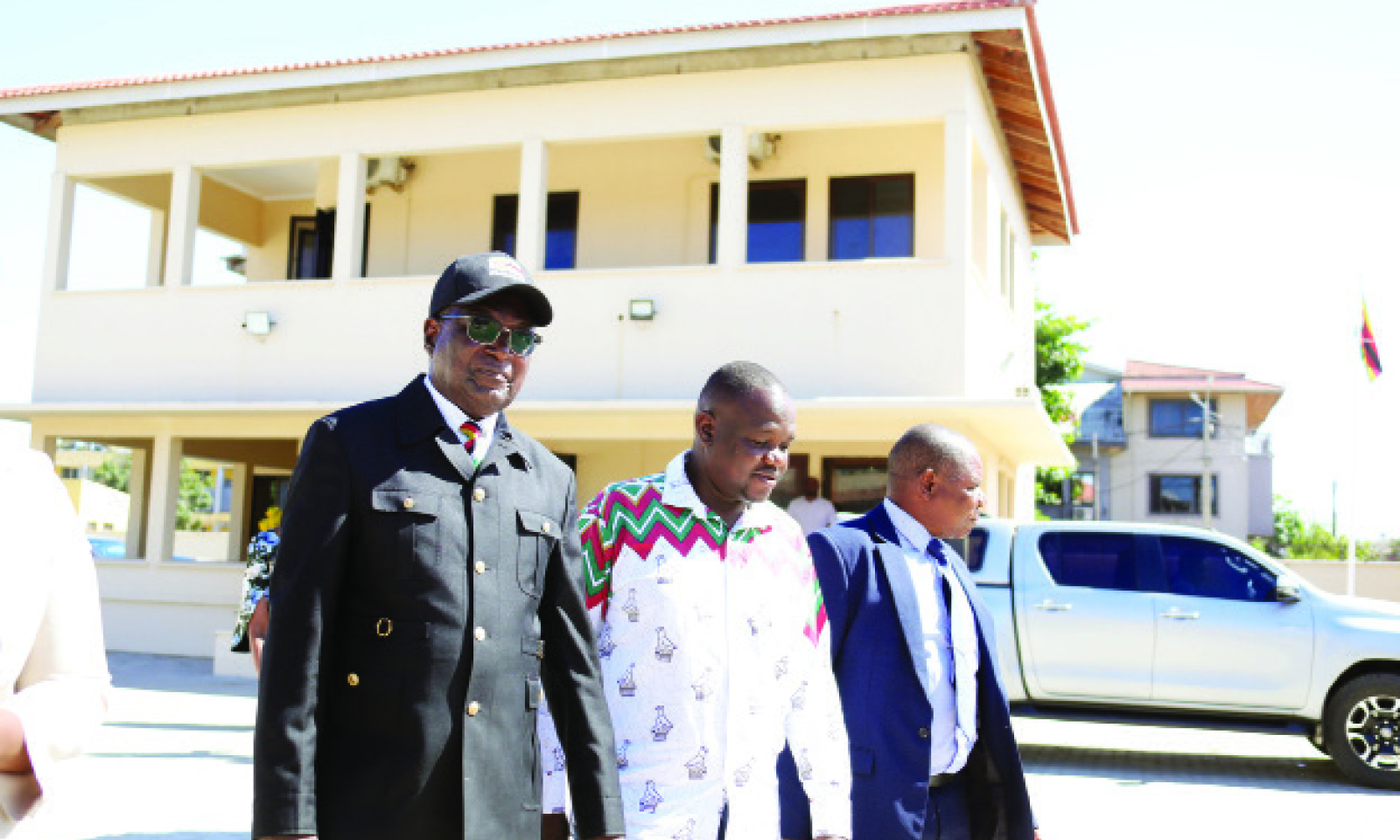
Rumbidzayi Zinyuke in BEIRA, Mozambique
THE ongoing refurbishment of Zimbabwe’s Consulate in Beira, Mozambique is a practical expression of the Second Republic’s foreign policy of engagement, re-engagement and economic diplomacy, reaffirming Zimbabwe’s intention to strengthen global ties, attract investment, and provide quality services to its citizens abroad.
Special Presidential Advisor on Monitoring Implementation of Government Programmes and Projects, Dr Joram Gumbo, said the upgrade reflects President Mnangagwa’s pledge to open Zimbabwe for business by improving not just the country’s internal infrastructure, but also its global diplomatic footprint.
“When President Mnangagwa took over, he declared Zimbabwe open for business. That meant we had to create conditions that support serious diplomatic and economic engagements. This consulate in Beira is a key gateway for that engagement, and it must reflect the standards and values of the Second Republic,” he said.
Dr Gumbo said the Beira Consulate, which is undergoing major renovations, was critical for Zimbabwe’s political, historical and economic links with Mozambique and the broader Southern African Development Community (SADC) region.
The Consulate was affected by several cyclones over the years and the structure’s integrity was compromised.
“The City of Beira, Mozambique’s second-largest port, is a vital hub for Zimbabwe, especially as a key conduit for fuel and goods entering and exiting our country.
‘‘Investing in infrastructure is not just strategic, it is essential. It protects and strengthens a vital artery of our economy and regional trade, reinforcing Zimbabwe’s role and connectivity within the SADC region,” Dr Gumbo said.
The refurbishment, which includes the Chancery, official residence and staff accommodation, is part of the National Development Strategy 1 (NDS1), which prioritises modernising infrastructure to enhance national image, bolster trade, and improve service delivery.
Dr Gumbo said the renovations were a strategic investment in the country’s sovereignty, economic advancement, and standing within the regional and global community.
“This initiative also speaks to the depth of bilateral relations between Zimbabwe and Mozambique, a long-standing ally and liberation partner. A functional and responsive diplomatic mission is key to sustaining this relationship. It facilitates robust bilateral cooperation and provides critical services to our citizens abroad, including legal assistance, passport renewals and emergency consular support. Furthermore, a well-maintained diplomatic mission extends beyond political diplomacy, it is also a business and cultural gateway. These facilities promote investor confidence, enable economic networking, and offer platforms to showcase Zimbabwe’s rich cultural diversity through diplomatic and community events,” he said.
Dr Gumbo said under the Second Republic, the refurbished properties had been made not only aesthetically appealing, but functionally modern, secure and future ready.
The properties offered safe, dignified working conditions for the diplomatic personnel and a welcoming environment for visiting nationals.
The initiative also reflects the determination to position Zimbabwe as proactive, responsive and globally competitive.
Dr Gumbo added that Zimbabwe’s global diplomatic infrastructure was undergoing a systematic upgrade.
“We recently assessed progress at our South African mission, and more visits are planned to West Africa, Europe and other regions. President Mnangagwa has insisted that no Zimbabwean community abroad should be left behind. This is a government that listens and acts,” he said.
Dr Gumbo also called for better coordination between government departments to accelerate progress in diplomatic projects.
“We are recommending stronger collaboration between the Ministry of Foreign Affairs and the Ministry of Local Government. That will ensure timely, professional renovations,” he said.
Zimbabwe’s Consul General in Beira, Mr Malvin Bere, said the renovations had already had a visible impact.
“This consulate had been severely affected by cyclones. The facelift has restored dignity and functionality. We’re now better positioned to serve hundreds of Zimbabweans who come here daily for documents, legal assistance, and consular support,” he said.
The consulate covers seven Mozambican provinces — Sofala, Manica, Tete, Nampula, Zambezia, Cabo Delgado and Niassa — and serves a large community of Zimbabwean nationals, many of whom work in various sectors of Mozambique’s economy.
“We facilitate birth certificates, passport applications, IDs, non-marriage certificates and more. We also support Zimbabweans facing legal challenges. We’ve also seen a rise in Zimbabweans visiting liberation war shrines like Nyangao and Nyadzonia, which are now being rehabilitated,” Mr Bere said.
Beyond consular services, the consulate plays a central role in promoting economic diplomacy.
Mr Bere said trade between Zimbabwe and Mozambique had grown significantly under President Mnangagwa, and the consulate had become a key facilitator.
“We are seeing a huge volume of trade, especially through the Beira port. About 80 percent of its business serves Zimbabwe. That includes fuel and goods for local and regional distribution,” he said.


 Online Reporter