Online Reporter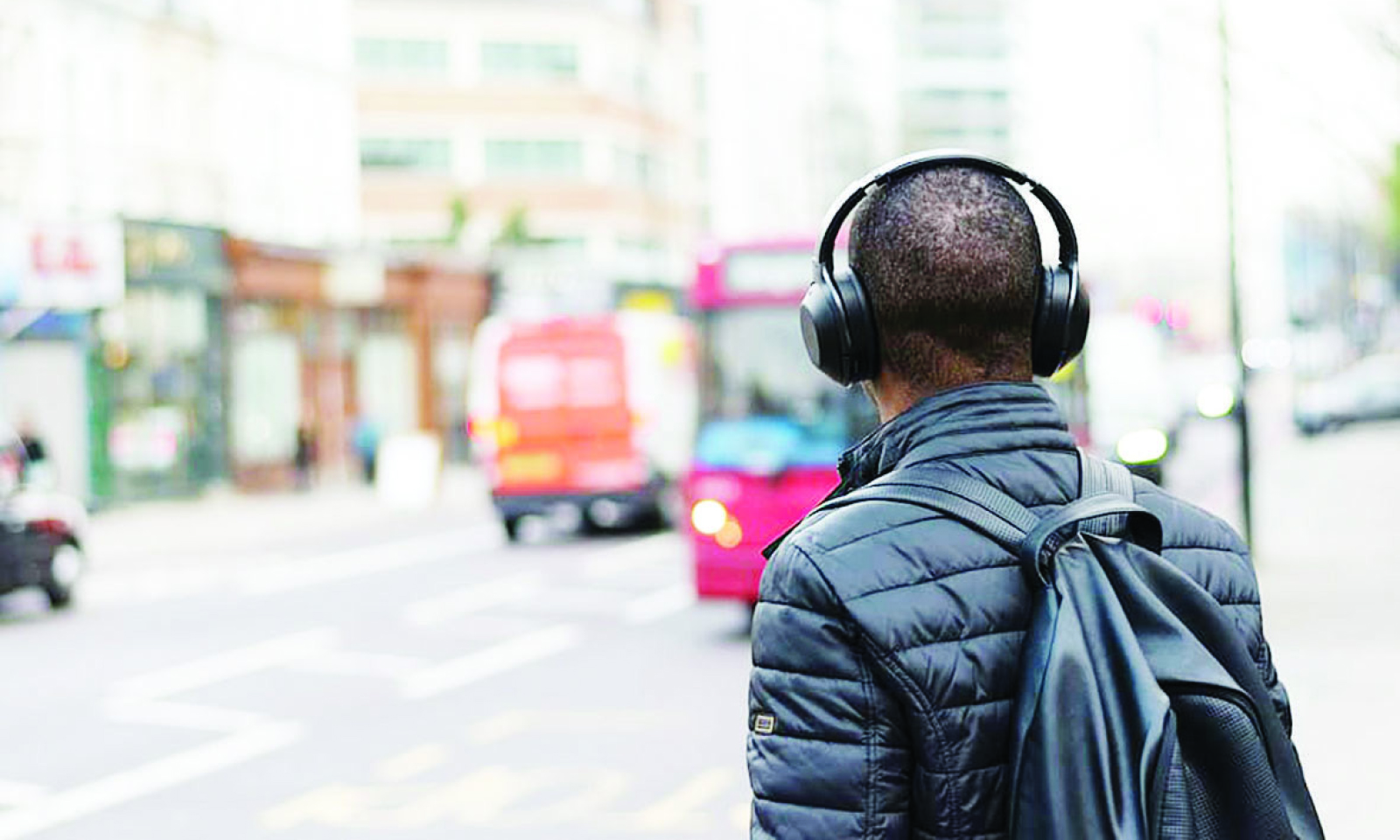
LONDON. − Whether it’s the echo of beeping tills in a supermarket or the hissing of a coffee machine in your local café, the brain is constantly working to decode hundreds of noises each day.
But, for some, those background noises can become so overwhelming that they distract them from recognising voices or alerts.
This is the reality for Sophie, a 25-year-old administration assistant from London, who is used to being told she doesn’t listen, zones out, or is “a bit ditsy”.
“Even though I can hear that there are noises going on, I can’t listen to where the noise is coming from. I know it’s the person’s voice, I just can’t really compute it quick enough,” she said.
After a hearing test came back normal, Sophie met a private audiologist for further testing. She was eventually diagnosed with auditory processing disorder (APD), a neurological condition where the brain finds it difficult to understand sounds and spoken words.
Her audiologist and others in England are now calling for more research into whether the condition is linked to overuse of noise-cancelling headphones.
Having grown up on a peaceful farm in the countryside, it wasn’t until a few years ago when Sophie started university in London that she noticed a change in her hearing – specifically trouble identifying where a sound was coming from.
She rarely attended her university lectures in person, instead opting to watch them online and with subtitles.
“All the words sounded like gibberish when I was in the actual lecture, and I was trying to hear,” she said.
It affected her social life too and Sophie would leave bars and restaurants early because of the “overwhelming noise”.
The cause of Sophie’s APD diagnosis is unknown, but her audiologist believes the overuse of noise-cancelling headphones, which Sophie wears for up to five hours a day, could have a part to play.
Other audiologists agree, saying more research is needed into the potential effects of their prolonged use. Five NHS audiology departments have told the BBC that there has been an increase in the number of young people referred to them from GPs with hearing issues – only to find their hearing is normal when tested and it is their ability to process sound that is struggling. APD is more common in neurodiverse people, those who have suffered from a brain injury or had a middle-ear infection as a child.
However, more patients with APD are presenting outside of those categories, leaving audiologists to question if external factors, such as noise-cancelling headphones, are contributing.
Renee Almeida, an adult audiology clinical lead at Imperial College Healthcare NHS Trust, says it is important to hear a diversity of sounds so the brain can decide what is important to focus on.
Noise-cancelling headphones do have their benefits, particularly for long-term ear health where their soundproofing feature can prevent high frequency and loud noise from reaching and damaging the ear − even while listening to music. − BBC