Online Reporter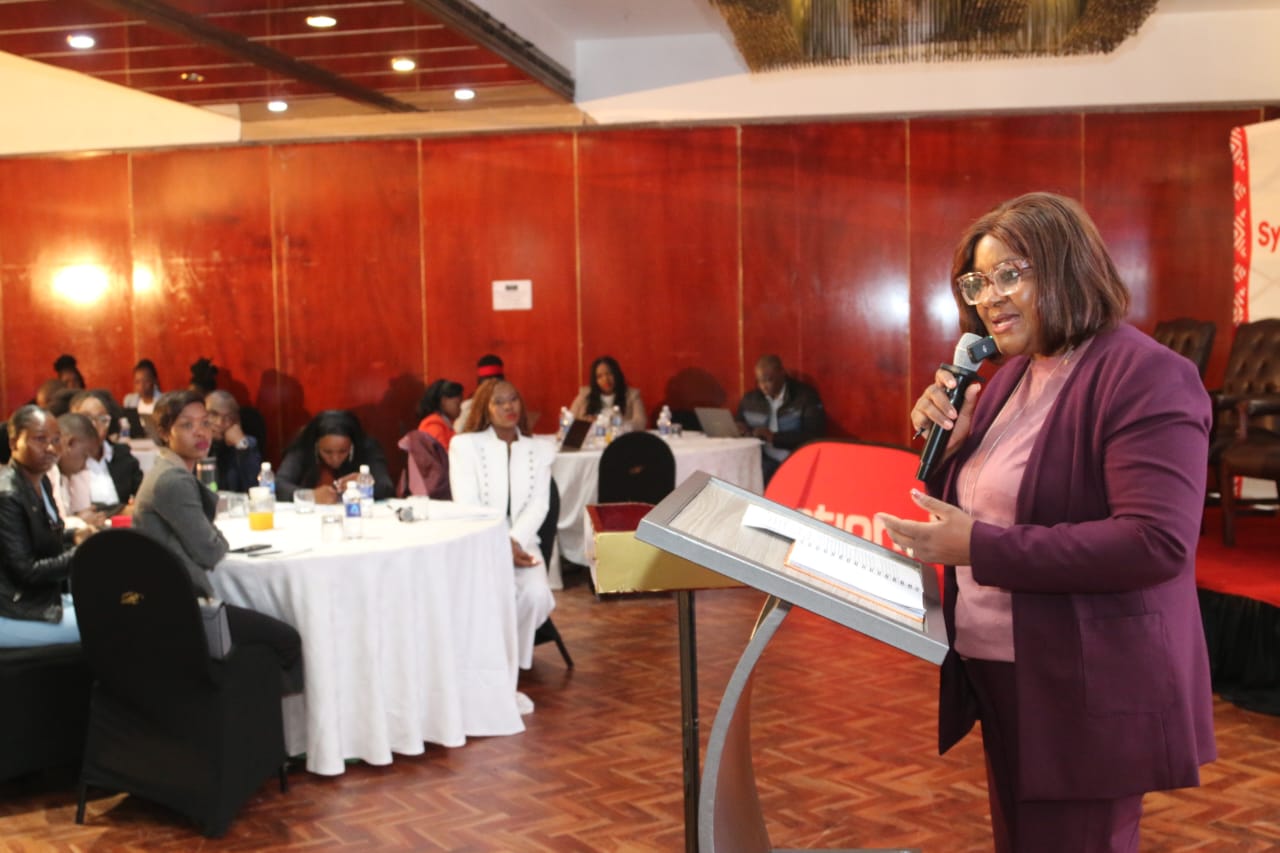
Theseus Mauruki Shambare
CLIMATE change is no longer only being measured through failed harvests, rising temperatures, floods or droughts, but is increasingly being linked to wider social vulnerabilities affecting communities, the Government has said.
Speaking during the 3rd Zimbabwe Youth Symposium on Disaster Risk Reduction held in Harare on Monday under the theme “From Risk to Resilience: Reclaiming Youth Agency in Disaster Risk Management”, Principal Climate Change Adaptation Officer in the Ministry of Environment, Climate and Wildlife Dr Benjamin Mandevere said climate change was intensifying challenges that go beyond environmental impacts.
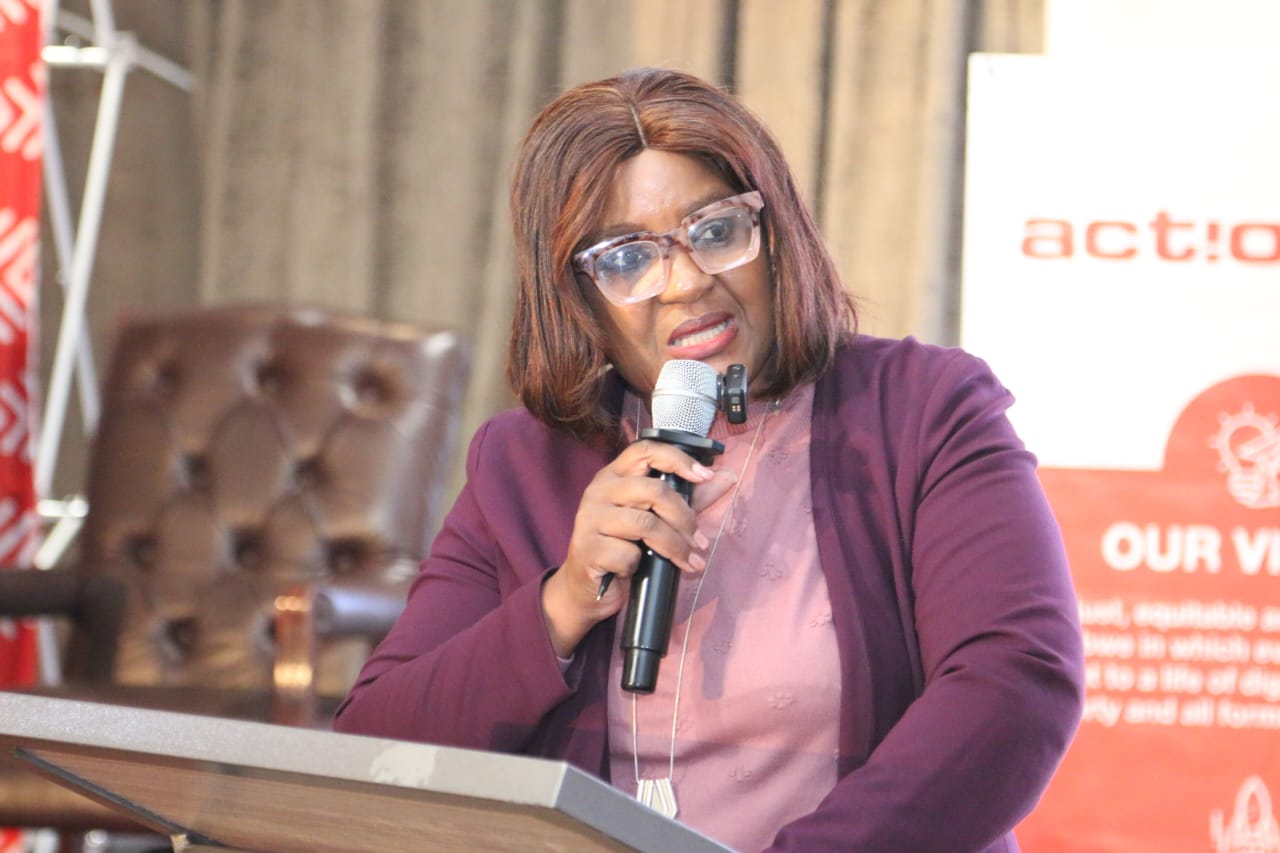
He said the country’s disaster risks must be viewed through a broader lens, as climate-related shocks can deepen existing social pressures.
“Climate change is, in one way or the other, actually influencing almost all the disasters that we have mentioned,” Dr Mandevere said.
“We are talking about cyclones, droughts, heatwaves and others, which ultimately cause disasters. But beyond that, climate change affects communities and increases vulnerabilities.”
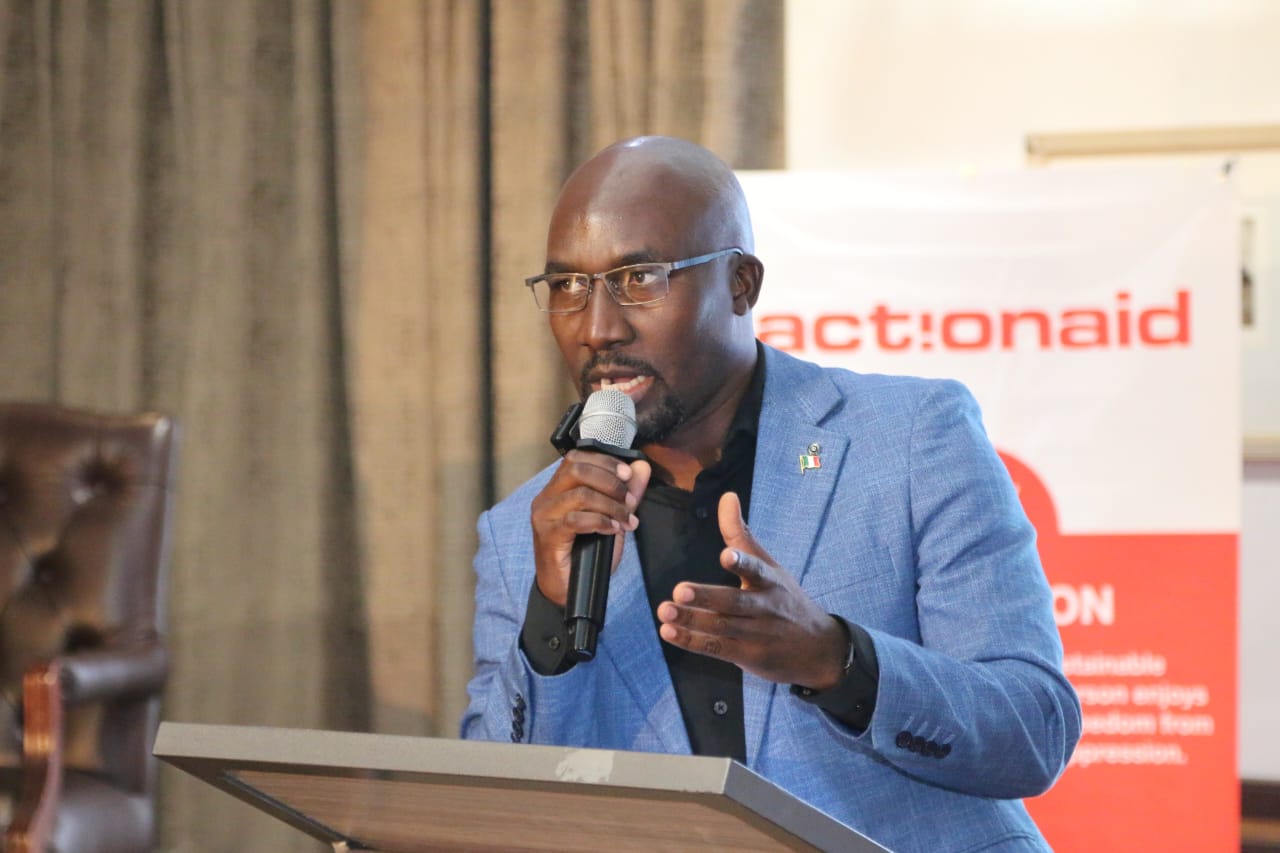
Dr Mandevere said climate change was largely driven by human activities, including deforestation, industrialisation and greenhouse gas emissions, adding that communities needed to accelerate resilience-building efforts.
“Humanity is the main culprit. Most of the causes of climate change are anthropogenic. They are caused by our deforestation, the process of industrialisation, where we generate greenhouse gases that are responsible for climate change,” he said.
His remarks come at a time when Zimbabwe continues to experience climate-related shocks, including droughts and floods, which have placed pressure on livelihoods, food security and social systems.
Chief Director of Gender and Women Affairs in the Ministry of Women Affairs, Community, Small and Medium Enterprises Development Mrs Lilian Matsika-Takaendisa said disasters were not gender-neutral, with women, girls, persons with disabilities and other vulnerable groups often bearing the greatest burden.
She said the country’s disaster response mechanisms needed to recognise emerging challenges, including gender-based violence and drug and substance abuse.
“When you look at the discussion that we have today, women happen to be at the centre of all these things that are happening,” Mrs Matsika-Takaendisa said.
She said while disasters were often associated with natural events such as droughts, floods and cyclones, communities were now facing a wider range of risks.
“We sometimes concentrate on droughts, floods and cyclones, but now we have a wide range of disasters that are happening. You talked about drug and substance abuse and gender-based violence, and these are also issues affecting communities,” she said.
Mrs Matsika-Takaendisa said women and young people should not only be viewed as victims of disasters but as key players in building resilient communities.
“The role of women, girls and young people in building Zimbabwe that can withstand and recover from disasters is very important,” she said.
The Government is also strengthening climate resilience frameworks, including the National Climate Change Policy, National Climate Change Response Strategy and National Adaptation Plan, which identifies key sectors requiring adaptation measures such as agriculture, water, health, infrastructure and human settlements.
Dr Mandevere said Zimbabwe was also working towards establishing a Climate Change Fund through the proposed Climate Change Management Bill, which would support research and interventions aimed at strengthening resilience.
He challenged young people to take a leading role in climate action, saying future disaster management strategies could not succeed without their involvement.
“The youth are not an afterthought. The youth are the hope in such a crisis,” he said.
As Zimbabwe prepares for increasingly complex risks, stakeholders say addressing disasters will require solutions that combine climate action, social protection and inclusive community participation.