admin
admin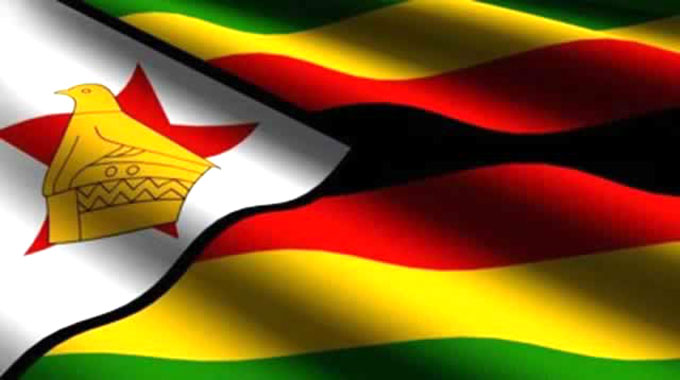
The Herald, September 8, 1979
THE Government yesterday published for information its controversial Bill to change the name of the country to “Zimbabwe”.
In terms of the Constitution, 30 days’ notice is required of an amendment to it, although the country’s name is not an entrenched clause and does not require the backing of 76 members of the House of Assembly to pass into law, reports Iana.
The plan to drop the name “Rhodesia” was first announced by the Prime Minister Bishop Muzorewa, at an amnesty meeting three weeks ago.
It has aroused widespread condemnation from whites as a “breach of faith”.
The prime minister’s supporters, however, have stated that the name Rhodesia must be abandoned if blacks are to be convinced that a meaningful change to black rule has taken place.
Lessons for today
The Bible in Proverbs 22:1 says, “A good name is more desirable than great riches; to be esteemed is better than silver or gold.” What does this mean when it comes to Zimbabwe?
According to one online writer, “Names have significance. They have power. They define us. They’re more than a bunch of letters grouped together to sound pleasant to the ear. Names are more than a convenience allowing people to talk to each other. Names are a gift from God. These words contain His power. They give things meaning. They bring us meaning.” Thus the name Zimbabwe is a sum total of all the above.
Zimbabwe (“dzimba dzamabwe”) is a Shona term derived from the Great Zimbabwe in Masvingo Province, which means houses of stone that denote durability and resilience. Other schools of thought say it is derived from “dzimbahwe”, meaning, valued or venerated houses. Thus Zimbabwe has a deep-rooted meaning that has so much relevance for its people.
It was an irregularity that a land and people that had their own names, norms, values and culture had an occupying force renaming them after the chief occupier (Cecil John Rhodes) to Southern Rhodesia (1898), Rhodesia (1965) and Zimbabwe Rhodesia (1979).
According to historical records, nationalist Michael Mawema was the first known person in 1961 to use Zimbabwe as a term of national reference. Thereafter, other nationalist movements used Zimbabwe in their names: Zimbabwe African People’s Union (ZAPU); Zimbabwe African National Union (ZANU), etc.
Muzorewa was playing diversionary politics since he knew that the Lancaster House Conference would result in major political changes including name change.
That Rhodesians felt the name change was a breach of faith was nothing but display of defeat by a people licking their wounds in “narcissistic romanticism”.
There is need to rename remaining hundreds of colonial names around the country, giving them befitting names that reflect Zimbabwe’s nomenclature.



 Online Reporter