Online Reporter
Correspondent
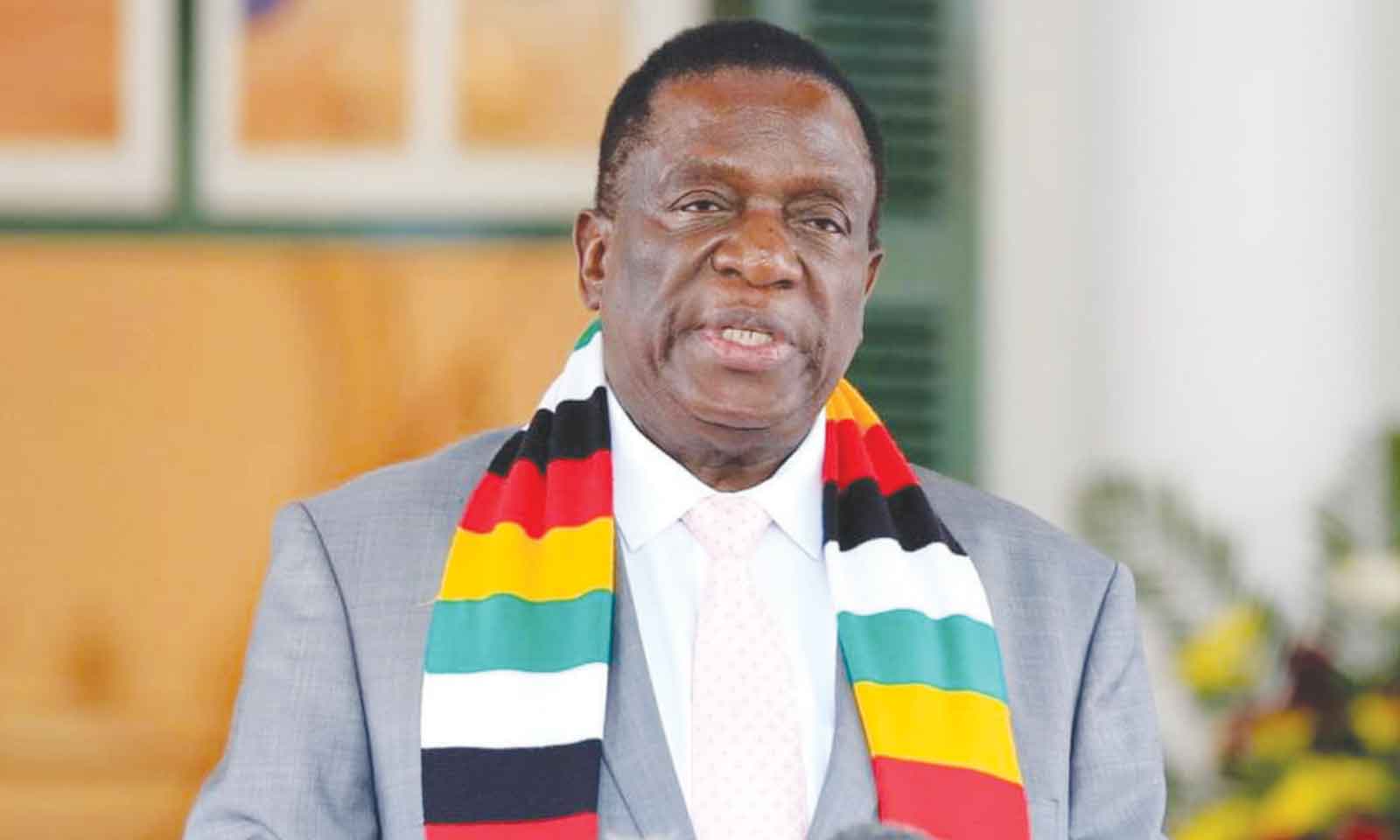
WHEN President Mnangagwa stood in Binga in April 2022 and listened to a 17-point submission from local leadership, few expected the moment to evolve into what is now called the Binga Development Initiative (BDI).
For a district long synonymous with marginalisation, remoteness and survival economics, scepticism was natural.
Three years on, however, a quieter but more consequential story is unfolding: Binga is no longer being managed as a humanitarian problem, but as a development project.
This distinction matters.
From promises to physical infrastructure
The most immediate test of political commitment is whether policy announcements translate into infrastructure on the ground. In Binga, several flagship projects traced directly to the 2022 engagements are now either underway or nearing execution.
Land has been secured for a Binga School of Nursing, with Public Works already producing drawings for submission to the Ministry of Health. The logic is local and practical: train nurses locally, reduce staff turnover and stabilise health services in a district where climate and distance often push professionals away.
The Binga Border Post, once a theoretical concept shaped by shared culture and informal crossings, is now materialising through offices, ablution facilities, boreholes and perimeter controls. What was once a porous crossing defined by history is being formalised into an economic and administrative gateway.
Ending dependency without creating hunger
Perhaps the most politically sensitive shift under BDI has been the deliberate reduction of NGO presence in the district — from 32 organisations to 10. This was not cosmetic rationalisation. It reflected a policy decision that perpetual food aid was entrenching dependency rather than reducing vulnerability.
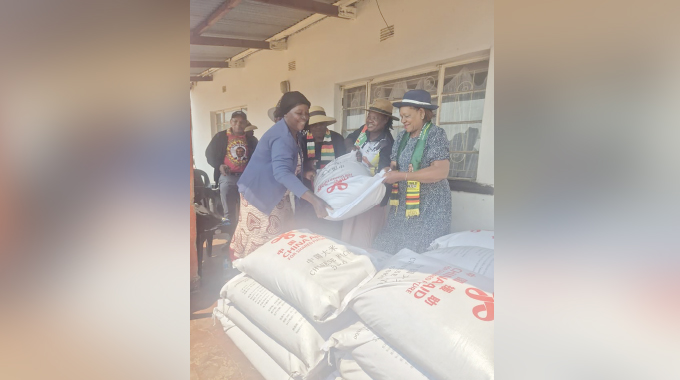
Crucially, Government did not withdraw and leave a vacuum. In 2025 alone, the State fed over 136 000 people in Binga, decisively taking ownership of food security. That intervention undercuts the long-held assumption that remote districts cannot be sustained without donor food pipelines.
The message was blunt but necessary: the era of handouts in Binga is ending and development partners must now invest in productivity — irrigation, nutrition gardens, skills and livelihoods.
Cold rooms and the politics of middlemen
Few issues illustrate structural poverty better than the fishing economy on Lake Kariba. For years, fishermen sold their catch at prices as low as US$1–US$1,50 per kilogramme, not because the fish lacked value but because perishability left them at the mercy of middlemen.
Under BDI, cold storage facilities planned for Mlibizi, Simatelele and Chibuyu are designed to break this cycle. With the Procurement Management Unit (PMU) already on site alongside potential equipment suppliers, this intervention is no longer speculative. Cold rooms will shift bargaining power, allowing fishermen to store, aggregate and access distant markets.
This is not charity; it is market correction.
A district learning to diversify
For decades, Binga’s economy rested on fishing and subsistence agriculture. What is emerging now is economic diversification.
Mining operations such as BMT in Kalungwizi are already producing and employing locals, while future-facing investments — fertiliser manufacturing, coking coal and even thermal power generation — signal industrial intent rather than extractive opportunism. Importantly, environmental compliance and development levies are being enforced, suggesting governance, not desperation.
Alongside this is Binga Polytechnic, deliberately inclusive of youths without formal academic qualifications. The result is visible: a construction boom driven by locally trained artisans and builders.
Presidential presence when it counts
Symbolism alone does not rebuild hospitals. When a fire destroyed Binga District Hospital’s kitchen, what followed was not a circular memo, but a direct presidential intervention. Within weeks, US$140 000 was released to rebuild the facility using durable materials, alongside plans for solar power for the mortuary and broader hospital refurbishment.
For communities accustomed to delayed responses, speed itself became a statement.
Not a finished story — but a directional one
None of this suggests Binga’s challenges are over. Roads remain fragile, irrigation schemes need fine-tuning and the social impact of projects like the Gwayi-Shangani Dam will require sensitive handling.
But development is not judged by perfection, it is judged by direction.
Measured against that standard, the President’s 2022 engagement in Binga appears less like a political gesture and more like a course correction — shifting the district from relief dependency to structured development.
Binga is not yet transformed, but it is, unmistakably, no longer standing still.