admin
admin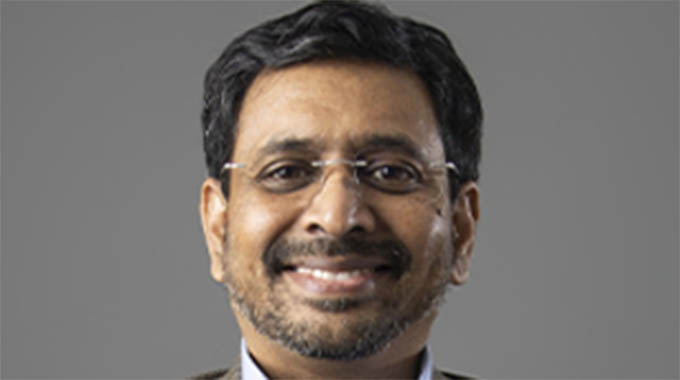
Several African countries are battling a rising malware crisis.
Business Insider Africa chatted with Prasanna Kumar Burri, the group chief information officer of Dangote Group, at tech show GITEX Global, about the pressing cybersecurity challenges facing Africa’s manufacturing and industrial sectors and potential solutions.
A recent cybersecurity report reveals that several African countries are battling a rising malware crisis.
Ethiopia takes the lead, being the most attacked nation in Africa and second in the world, with a risk index (NRI) of 99.0.
Zimbabwe isn’t far behind, snagging third place globally with an NRI of 78.1.
As cyber threats continue to grow quickly, individuals, companies and governments are realising that cybersecurity is ultimately essential.
BI Africa: What are the most significant cybersecurity threats facing the manufacturing sector in Nigeria and Africa?
The primary issue we face daily is phishing attacks, where attackers attempt to steal credentials.
Following that, we see SQL injection attacks aimed at hacking into applications. These attacks are rare because most production environments are fully isolated from public networks.
BI Africa: You mentioned that firms will be hacked. What do you mean?
The nature of cybersecurity is similar to driving a car, you’re bound to get scratched at some point if not crash. It is either we might make a mistake and crash into someone, or someone else might cause the accident.
The exposure to cybersecurity is vast. The moment you’re online and connected to the internet, you’re exposed to several malicious actors and threats from around the world.
The way security and software stacks are developed, patched, and managed always leaves some vulnerabilities or zero-day exploits that you might be exposed to before they’re fixed.
If you look closely, you’ll find vulnerabilities in almost every infrastructure. While the extent to which these can be exploited varies, the issues are always present. What’s important is to do everything in your power to be resilient.
Prepare your team and infrastructure for resilience by ensuring you have adequate backups and a quick restore process in place.
BI Africa: What role do you see emerging technologies like AI play in strengthening cybersecurity strategies?
Well, AI is significant, and while it’s still emerging, we’re seeing a lot of promising capabilities. But keep in mind, as we discussed a few minutes ago, AI is a double-edged sword.
The bad guys are using it too, and they’re often one step ahead of those trying to defend against them. They’re leveraging AI to dramatically scale their efforts, scripting malware, launching automated attacks, and inventing new threat vectors.
On the defensive side, big players like Microsoft, and Cisco, are also using AI to automate their security measures. So, while AI can help us defend against attacks, it also puts us at greater risk.
Ironically, we have no choice but to jump on the bandwagon and play catch-up. AI is here to stay, and if you’re not actively leveraging it, you run the risk of becoming a victim.
BI Africa: What steps can the government take to enhance cybersecurity?
Well, government regulators are doing what they can, but the issue of cyber attacks affects almost every single government. It might not always be publicised, but we’ve heard of incidents where the NSA was hacked or claims that the CIA and even the White House were breached. If they can’t secure their systems, who else can?
The question is, while regulators are making efforts, we need to invest more resources into cybersecurity. We must focus on raising awareness and training people to recognise threats. – Business Insider Africa


 Online Reporter