

 admin
admin
Tsenulo Moyo
TO mark the end of 16 Days of Activism Against Gender-Based Violence (GBV), Bulawayo-based artistes joined forces with local gender activists and organisations to host a GBV concert in the city.
The initiative was part of efforts to address young women’s sexual reproductive health and mental well-being, which contributes to structural violence.
The country recently joined the world in commemorating 16 Days of Activism Against Gender-Based Violence, observed annually from 25 November to 10 December.
This global campaign aims to raise awareness about gender-based violence, particularly affecting women and girls and to inspire action to prevent and end it.
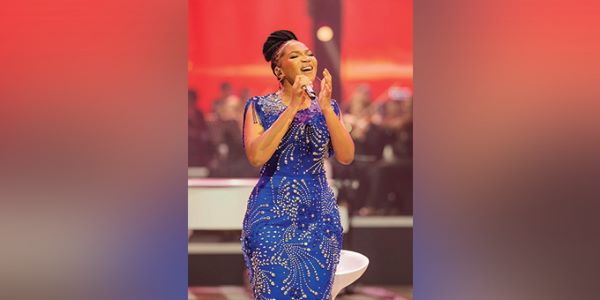
The concert, held at the Mitre Bar on 10 December 2024, featured performances by artistes such as Thandy Dhlana, Luchi Shiki, La Dee, Amany Muzik, and multi-award-winning sensation Msiz’Kay.
To make the event a reality, the Loziba Movement, a female arts-oriented organisation, partnered with Transparency International Zimbabwe (TIZ), Emthonjeni Women’s Forum, The Girls’ Table, Youth for Innovation Trust, and Voice of the Voiceless.
Some of the activities at the concert included performances by the artistes, speeches from the organisations about GBV and a panel discussion on the issue.
Speaking at the concert, Amany Muzik suggested men should de-stress by engaging in enjoyable activities like going out or taking walks.
“We need to invest in things that make us happy so that we know how to cope with difficult times,” he said.
Msiz’Kay pointed out that boys often grow up hearing stereotypes about women, leading them to believe that violence against women is acceptable. “Let’s talk about this issue,” Msiz’Kay urged.
“Let’s raise awareness and make sure people know that this is happening in our communities.”
Lizinethi Beta, a representative from Emthonjeni Women’s Forum, stated, “To address the GBV issue, we must first tackle the root cause: men.”
Gugu Natasha Nyoni, a representative from Youth for Innovation Trust, explained that they aim to uplift female artistes to combat gender-based violence.
Bekezela Mguni, a representative from The Girls’ Table, highlighted their study revealed that young women in areas like Tsholotsho, Lupane, and Plumtree are particularly vulnerable to GBV due to patriarchal and cultural norms.
“When men withhold financial support from women, it’s considered economic abuse. Similarly, preventing women from working is also a form of abuse. As an organisation, we’ve observed that forced child marriages are prevalent and often lead to high rates of GBV,” she said.
Thando Gwinji, the team leader at Loziba Movement, acknowledged men are also victims of GBV, often facing oppression and abuse from women, which can lead to tragic consequences like suicide.
“We need to change the way we raise boys. We shouldn’t only focus on empowering girls but also teach boys about respect and equality,” she said.


 Online Reporter