

 Sidumisile Mabena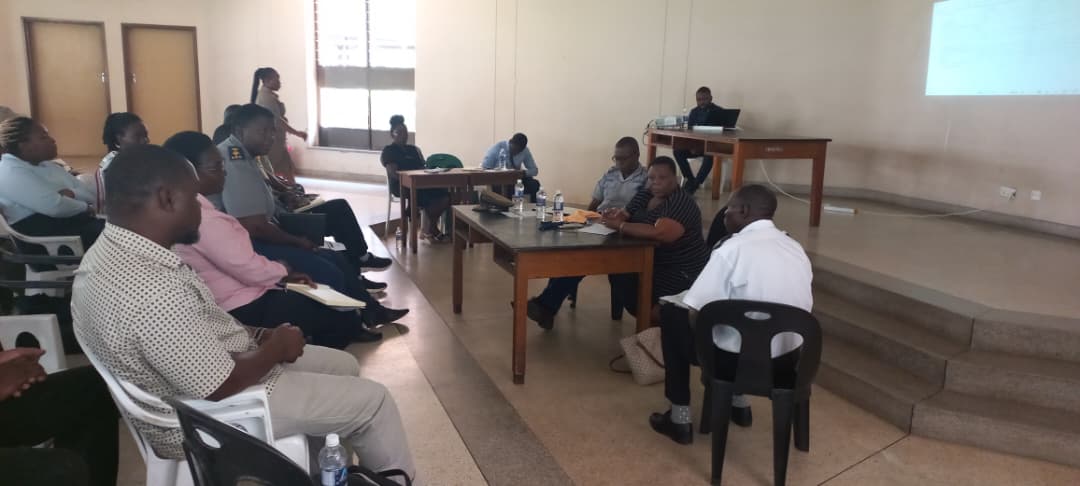
Bongani Ndlovu, [email protected]
THE Bulawayo Provincial Civil Protection Unit Committee, on Monday, convened its first meeting of the year amid concerns over the impact of the ongoing rainy season, which has already triggered flooding and infrastructure damage across the province.
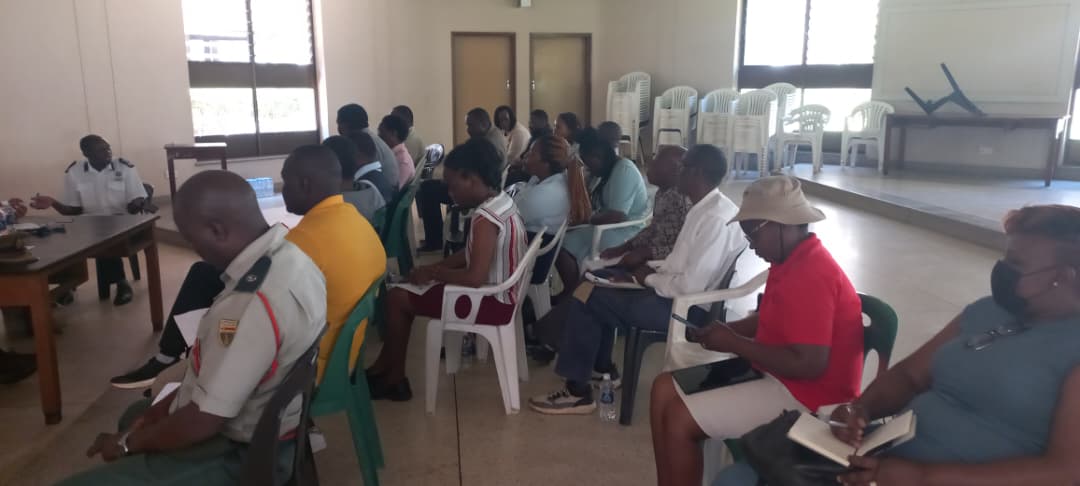
Opening the meeting at Mhlahlandlela Government Complex, Mrs Tsvagai Fikile Marovatsanga, the Director for Bulawayo Metropolitan Province in the Ministry of Local Government and Public Works and chairpersonof the Civil Protection Committee in the province, said the province was facing increasing climate-related hazards that require stronger preparedness, coordination and mitigation measures.
She said the rainy season had exposed the vulnerability of communities and infrastructure, making it critical for stakeholders to move beyond reactive responses and focus on proactive disaster risk management.

“Our mandate is not just reactive; it is a proactive commitment to building a resilient society,” said Mrs Marovatsanga.
She said the committee’s work would be guided by key national and international frameworks, including the Civil Protection Act (Chapter 10:06), which provides the legal basis for coordinating disaster response across sectors, and the Sendai Framework for Disaster Risk Reduction (2015–2030), which emphasises understanding disaster risk, strengthening governance and building back better.
Mrs Marovatsanga added that disaster risk reduction was also central to achieving the Sustainable Development Goals, particularly Goal 11 on sustainable cities and Goal 13 on climate action, noting that development gains can easily be reversed by a single disaster event if risks are not managed.
She said minimum service delivery standards would remain non-negotiable to ensure that all citizens receive basic protection and support during emergencies, regardless of the scale of the disaster.
The meeting is expected to develop a comprehensive annual plan aimed at identifying high-risk hazards linked to current climate conditions, assigning clear responsibilities to relevant departments and strengthening early-warning systems.
Mrs Marovatsanga said the plan would also focus on improving community preparedness, enhancing inter-agency coordination and prioritising risk reduction initiatives across the province.

She urged committee members from line ministries, local authorities and partner organisations to contribute openly, drawing lessons from recent incidents and previous rainy seasons to ensure planning is informed by real experiences on the ground.
The Civil Protection Committee meeting is set to review the current disaster situation and map out practical interventions to minimise loss of life, property damage and disruption to livelihoods during the remainder of the rainy season and beyond.
The National Civil Protection Committee is chaired by the Director of Civil Protection and comprises the Secretary for Health, the Commissioner of Police, the Commanders of the various branches of the Defence Forces, the Secretary-General of the Zimbabwe Red Cross Society, the Director of Prisons, the Director of Civil Aviation, a representative of fire brigades established by local authorities appointed by the Minister, as well as three other members appointed by the Minister for their experience in civil protection matters.


 Bongani Ndlovu
 Online Reporter